


Other Brake Parts
Find it faster
Match to your vehicle
Make
Category
Condition
In Stock
Price
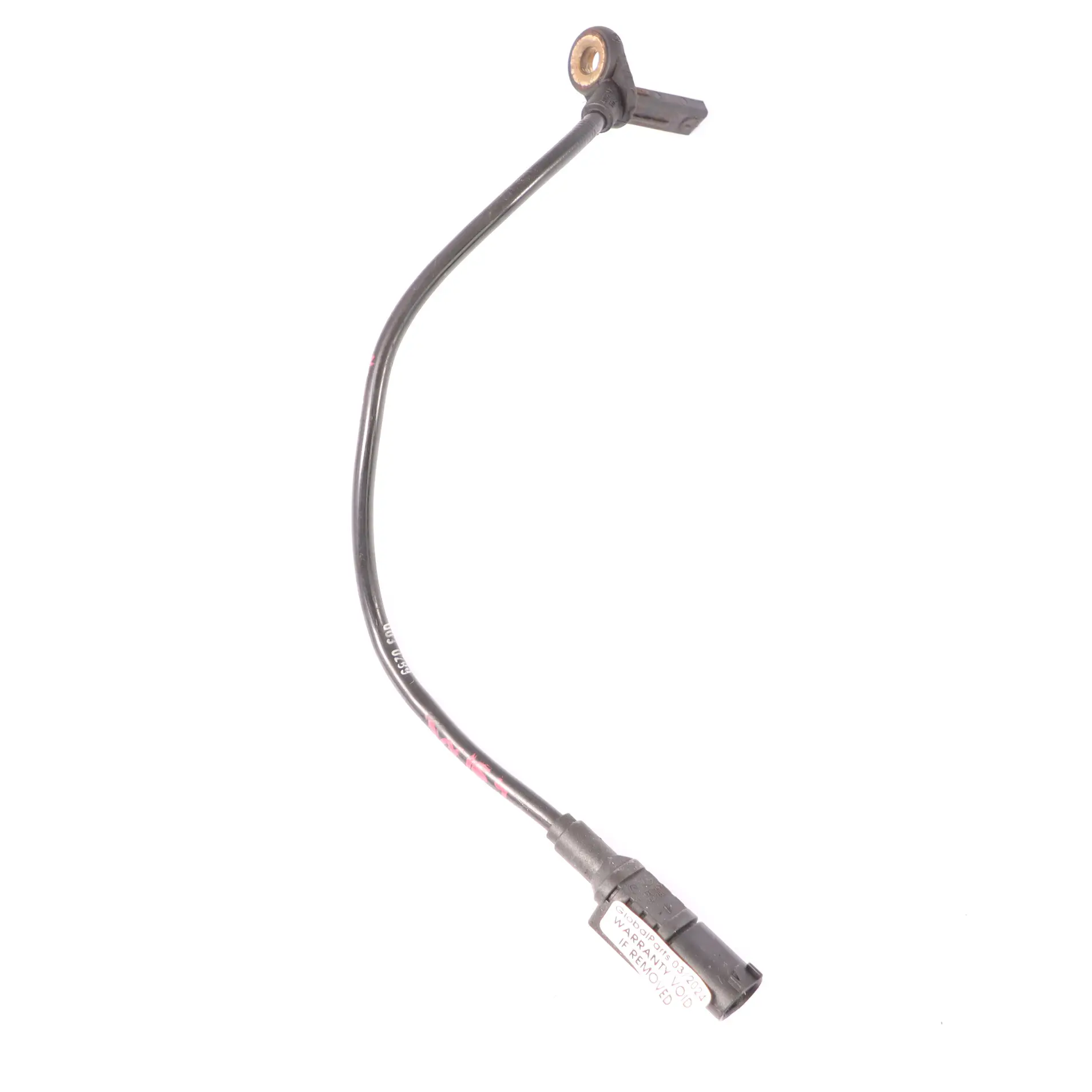
Other Brake Parts
In the Global Parts automotive store, you will find a wide selection of used car parts, compatible with Mercedes and other brands. The "Other" category includes brake system components that do not always fit into the most popular subgroups but remain essential for the proper operation of the entire system. This is where auxiliary parts, accessories, intermediate components, and mounting details are found, all of which influence sealing, cable routing, sensor interaction, and the correct fastening of sub-assemblies.
Construction and purpose of parts in the "Other" category
"Other" is a group of brake components that complement the main sub-assemblies responsible for stopping the vehicle. This category includes parts that work with lines, pumps, calipers, sensors, or mounting points and are installed in various locations of the vehicle depending on the car's design. Their task is to maintain system continuity, proper fluid flow, and stable seating for parts exposed to vibrations, temperature, and dirt. When searching for parts for a specific model, such as a Mercedes W211, it is worth comparing the OEM number, body version, mounting location, and equipment that affects the type of component used. In this group, it is particularly important to check interchangeable numbers, as minor design differences may involve the shape of the bracket, the type of connector, or the routing of the line.
Comparison of part variants in the "Other" category
| Component type | Main function | What to check before purchase | Cooperating elements |
|---|---|---|---|
| Fastening or guiding element | Maintaining the correct position of a line, cover, or sensor | Vehicle location, mounting type, shape, material | Lines, bodywork, covers, brackets |
| Sealing or protective element | Protecting the connection from dirt and moisture | Compatibility with OEM number, diameter or profile, operating area | Connectors, lines, wheel cylinders, calipers |
| Electrical or signal element | Interaction with a warning light, sensor, or switch | Connector type, number of pins verified by version, mounting side | Electrical installation, control unit, brake sensors |
The role of auxiliary parts in the brake system
Auxiliary brake system parts are used to connect, cover, guide, or stabilize components that operate during braking. Although they are not as visible as brake discs or brake calipers and brackets, their condition determines the correct routing of lines, the reliability of connections, and the absence of play at mounting points. Wear of such elements can manifest as leaks, incorrect line routing, rubbing against other parts, or incorrect signal readings.
Selection, compatibility, and technical data to check
When choosing an element such as a Mercedes brake master cylinder, you must verify not only the sub-assembly itself but also the accompanying parts from this category, such as caps, covers, connectors, or small fasteners. In product descriptions, it is worth checking the brand, condition, OEM part number, interchangeable numbers, and vehicle location, as this data helps compare compatibility with the car without guesswork. If the repair covers a wider scope, it is also helpful to compare this category with brake hoses, lines, and connectors or with brake sensors and switches.
Installation and meaning of related terms
A fastening element is a part that keeps a line, cover, or small sub-assembly in the correct position relative to the body or brake system. It serves to reduce vibrations, prevent chafing, and maintain the proper path of a line or harness. When completing a repair for a specific model, e.g., Mercedes Sprinter, it is good to verify mounting points, bracket shape, and seating method, as commercial vehicles often have differences depending on axle version, wheelbase, or body type. Before installation, it is worth comparing the old element with the new one in terms of shape, sockets, hooks, and operating area. In the same repair, it is also useful to look at the Brake system and brake parts category to assess whether other cooperating sub-assemblies also require replacement. Supplementing your knowledge about components that work with brakes can be found in the article Engine cooling system – overheating, repair, and used radiators, which shows how important it is to properly match parts and check auxiliary elements in various car systems.
FAQ
| Question | Answer |
|---|---|
| What is the construction and purpose of parts in the "Other" category? | Parts in the "Other" category are components that complement the brake system and do not always belong to the main groups, but work with them during daily operation. They may include fastening, protective, guiding, or auxiliary details mounted near lines, pumps, sensors, and hydraulic connections. Their construction depends on the function and vehicle version, so before selecting, you must check the mounting location and compatibility with the OEM number. |
| What are the parts in the "Other" category used for? | Parts in the "Other" category are used to supplement the operation of basic brake sub-assemblies and ensure proper operating conditions. They are responsible for fastening, guiding, sealing, or signal interaction with other system elements. Without them, lines may be routed incorrectly, connections may be less stable, and some sensors or covers may not work as intended by the manufacturer. |
| What is the construction and function of a fastening element in the brake system? | A fastening element is a part designed for the stable seating of a line, cover, sensor, or small brake accessory. It usually takes the form of a bracket, clip, clamp, or hook adapted to a specific place in the vehicle. Its function is to maintain the correct position of the part, reduce vibrations, and protect against chafing against adjacent sub-assemblies. |
| How to choose the right part from the "Other" category for your car? | It is best to compare the OEM part number, interchangeable numbers, vehicle location, and car equipment version. For auxiliary parts, the mounting type, element shape, connector type, and the presence of covers or fittings are also important. If the vehicle was produced in several variants, it is worth verifying compatibility via VIN. |
| What symptoms may indicate the need to replace auxiliary brake system parts? | Typical symptoms include loosely routed lines, damaged mounting points, leaks at connections, or improper seating of a cover. In some cases, there may also be rubbing of a line against other elements or problems with the operation of a related sensor. Such symptoms should be assessed together with the condition of cooperating parts. |
| What parameters should be checked before and after installation? | Before installation, check the compatibility of the shape, attachment points, connectors, and operating area of the part with the removed element. After installation, it is worth checking that the lines are not under tension, that the part does not collide with the suspension or bodywork, and that all fasteners are properly seated. For elements working with hydraulics or electrical installations, you must also pay attention to tightness and correct connection. |
Summary: "Other" in the Global Parts automotive store
The "Other" category in the Global Parts automotive store makes it easier to complete those brake system elements that often determine the correct installation and cooperation of the entire set. It is a practical choice for owners of cars from brands such as Mercedes and others who want to compare the OEM number, mounting location, and compatibility of auxiliary parts with a specific vehicle version. Feel free to contact us – we are here to help! For more information and interesting facts, we also invite you to visit our automotive blog.