


Lidar & Radar Sensors
Find it faster
Match to your vehicle
Make
Category
Subcategory
Condition
In Stock
Price
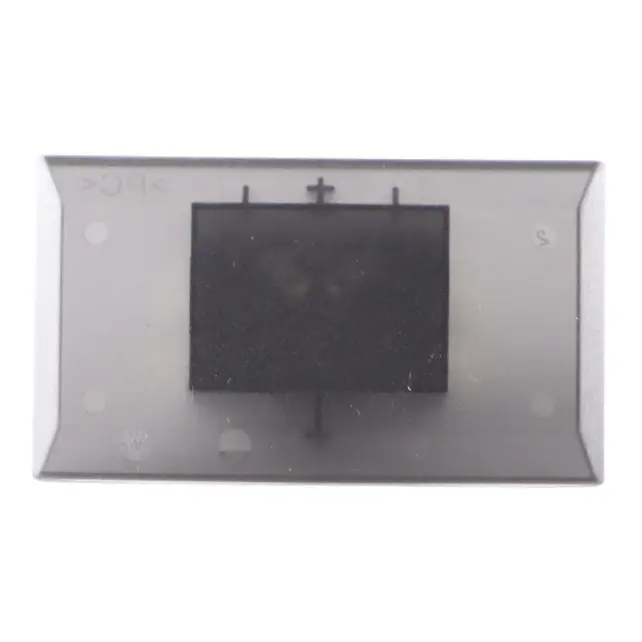
Part no. 5H0907451
VW Volkswagen Golf 8 1.5 eTSI Solar Sun Light Sensor Detector Unit 5H0907451
PLN 42.95
Delivery: Sep 25
If paid before 14:00
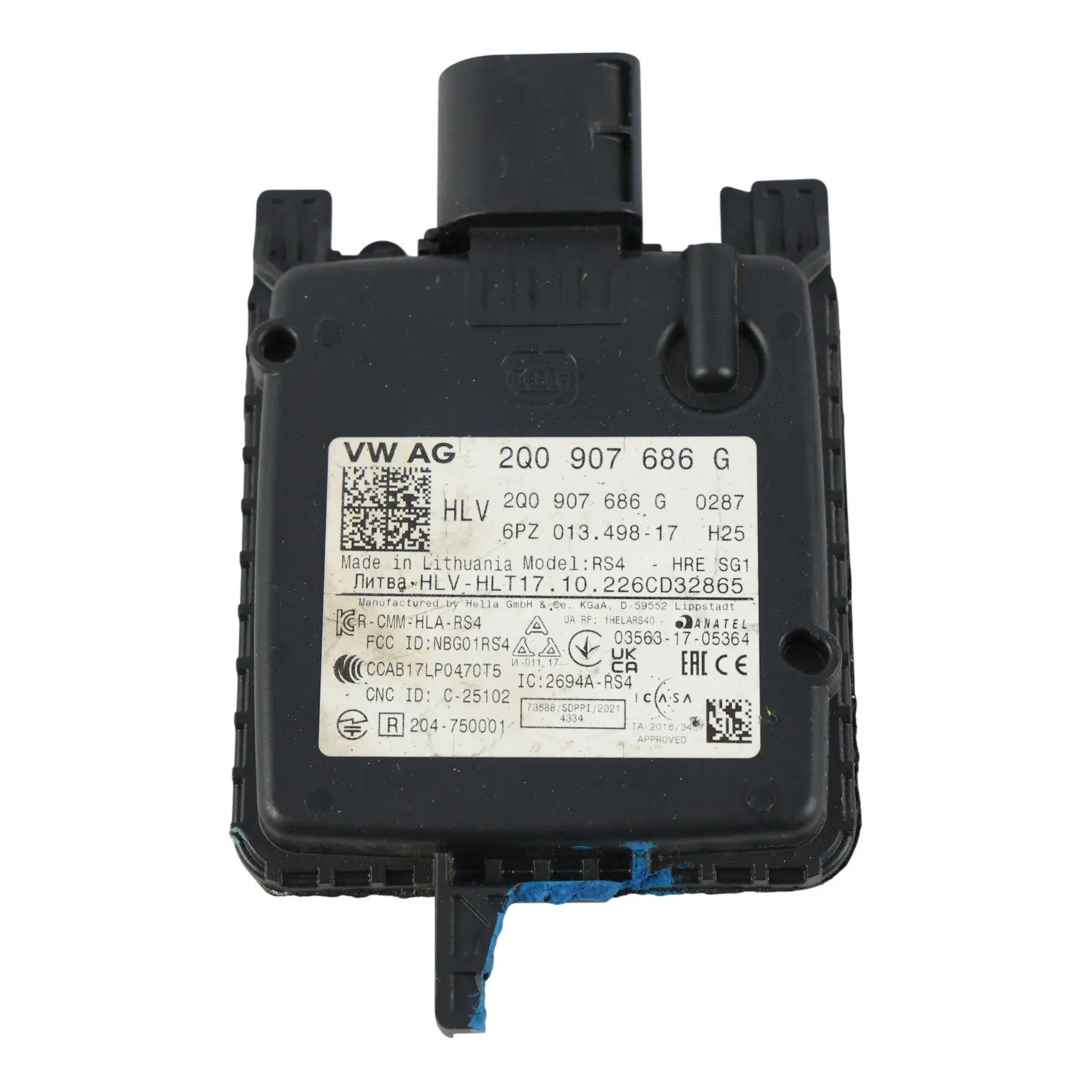
Part no. 2Q0907686G-1
Skoda Octavia Mk4 VRS Blind Spot Radar Control Module Unit 2Q0907686G
PLN 379.95
Free delivery: Sep 25
If paid before 14:00
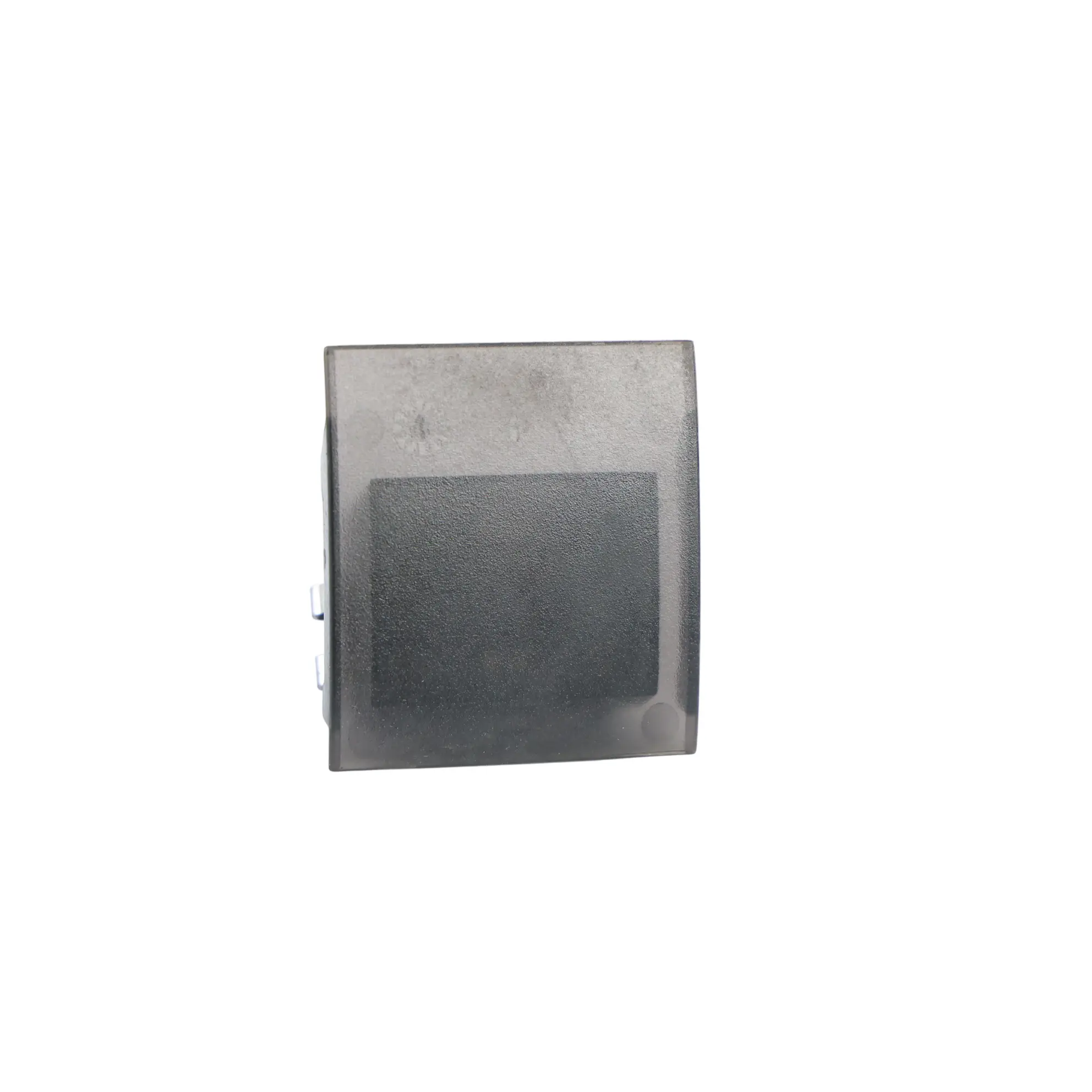
Part no. 5G0907451C
Volkswagen Golf Mk7 Dashboard Sun Sensor 5G0907451C
PLN 47.95
Delivery: Sep 25
If paid before 14:00

Part no. 7PP907539B
Porsche Cayenne 92A Dashboard Light Sun Solar Sensor Unit 7PP907539B
PLN 42.95
Delivery: Sep 25
If paid before 14:00
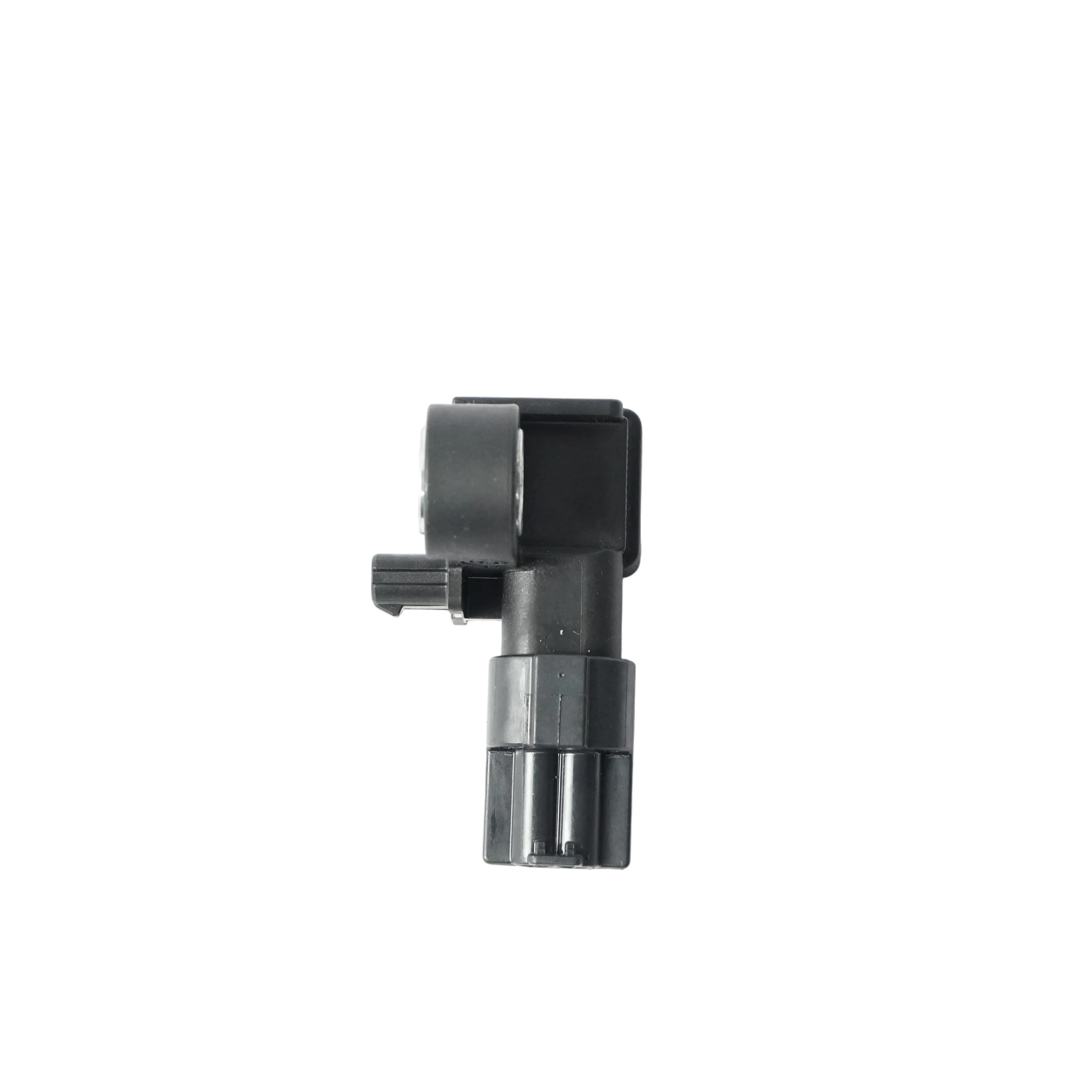
Part no. LK4T-148006-AB
VW Volkswagen Amarok NF Crash Impact Sensor Control Module Unit LK4T-148006-AB
PLN 189.95
Free delivery: Sep 25
If paid before 14:00
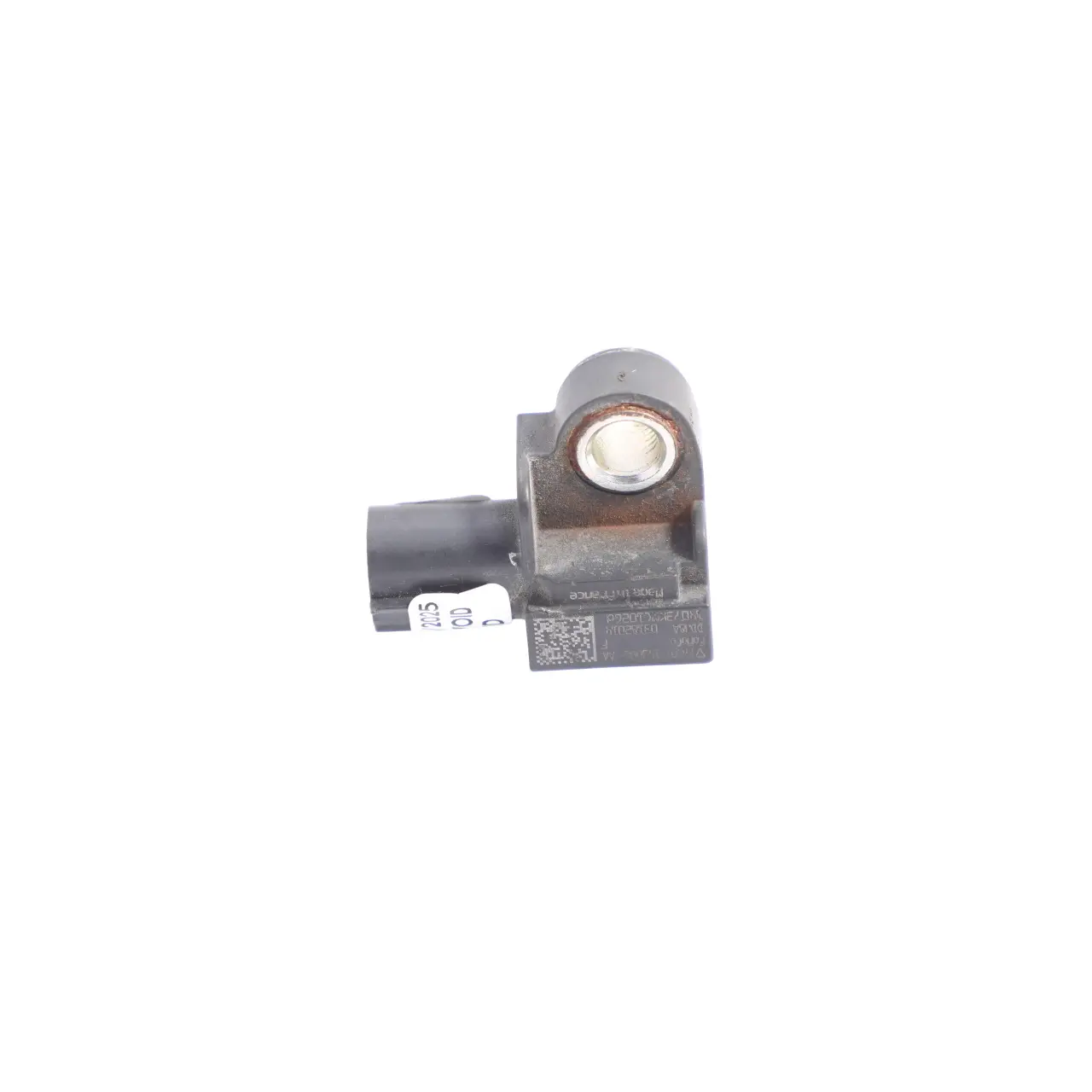
Part no. FR3T148006AA
Ford Transit TTG Crash Impact Sensor FR3T148006AA
PLN 99.95
Free delivery: Sep 25
If paid before 14:00
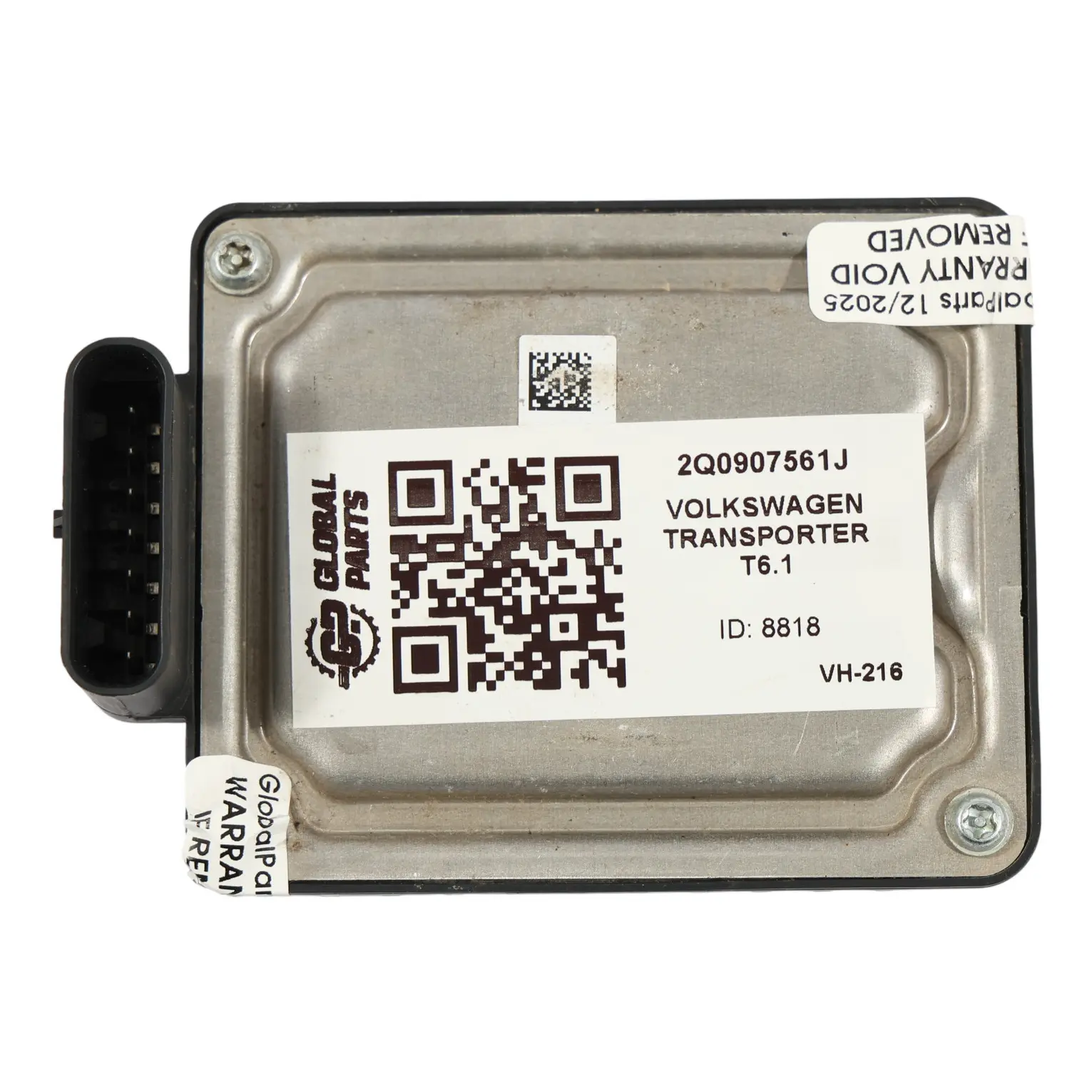
Part no. 2Q0907561J
VW Transporter T6 Radar Distance Distronic Control Sensor Module ECU 2Q0907561J
Product currently unavailable
Part no. M8D2-9G768-AF
Land Range Rover Evoque L551 Distance Radar Distronic Sensor M8D2-9G768-AF
Product currently unavailable
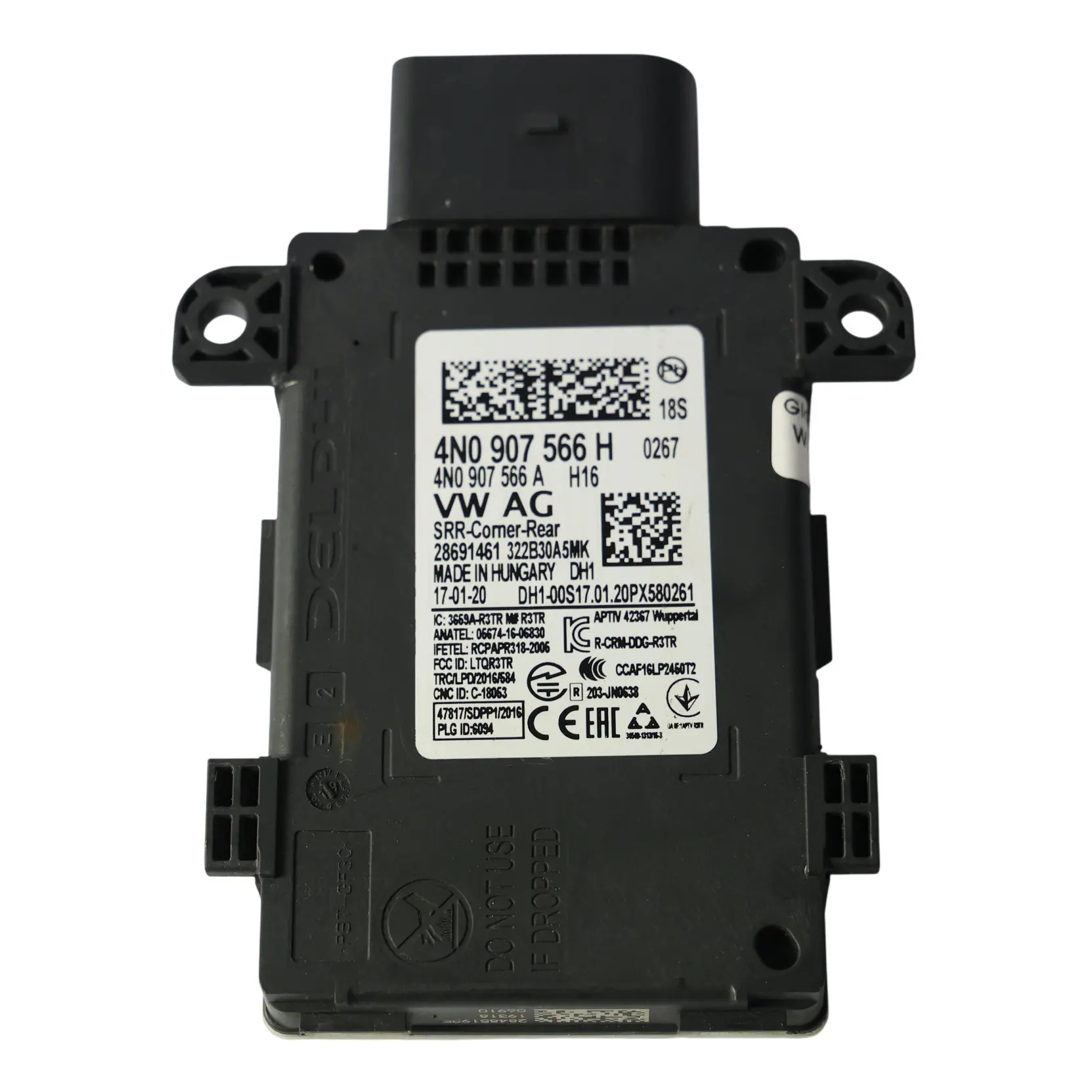
Part no. 4N0907566H
Audi A6 C8 A7 C8 Lane Change Assist Radar Sensor Unit 4N0907566H 4N0907566A
Product currently unavailable
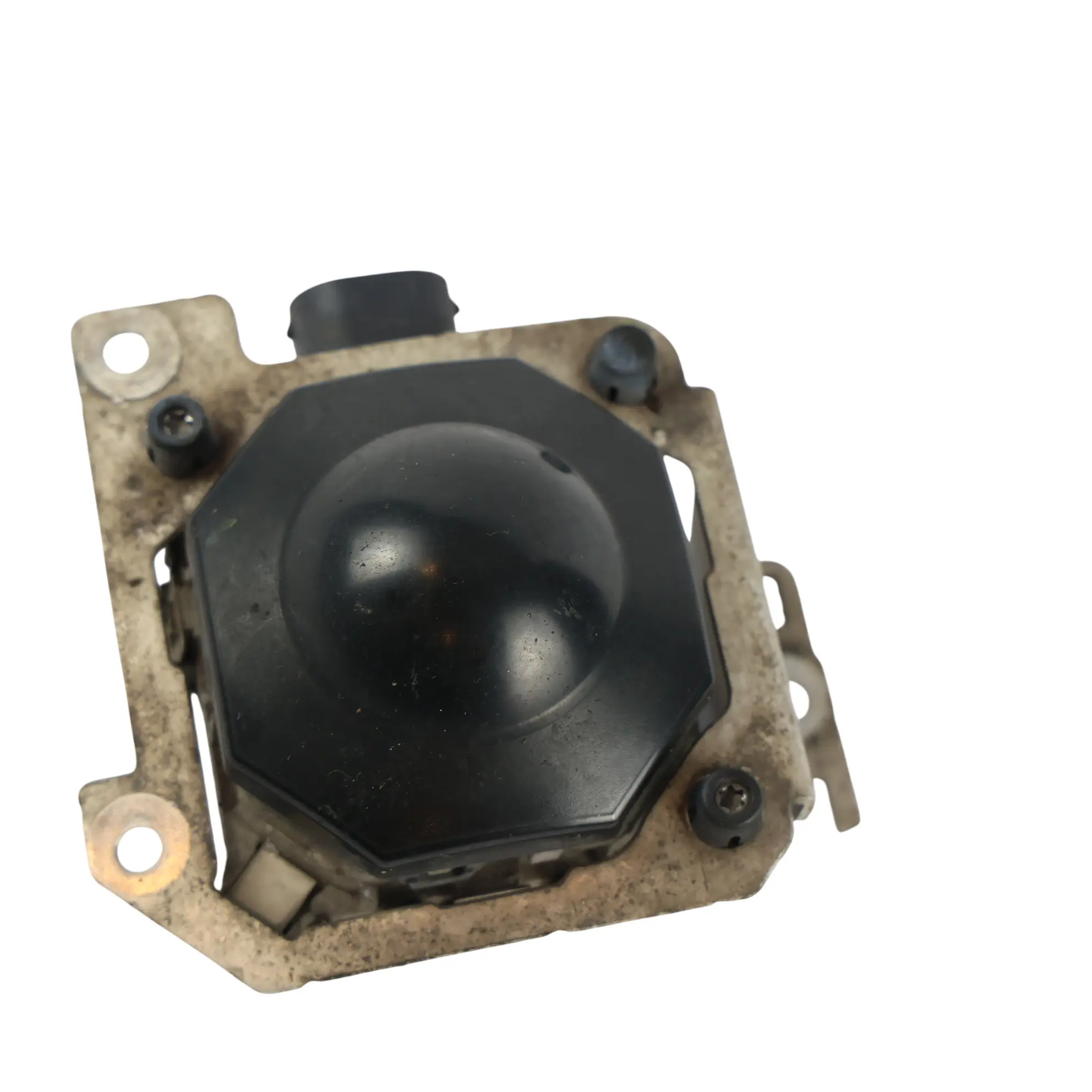
Part no. 8W0907561B
Audi A4 B9 A5 S5 F5 Front Radar Distance Sensor Distronic Right O/S 8W0907561B
Product currently unavailable
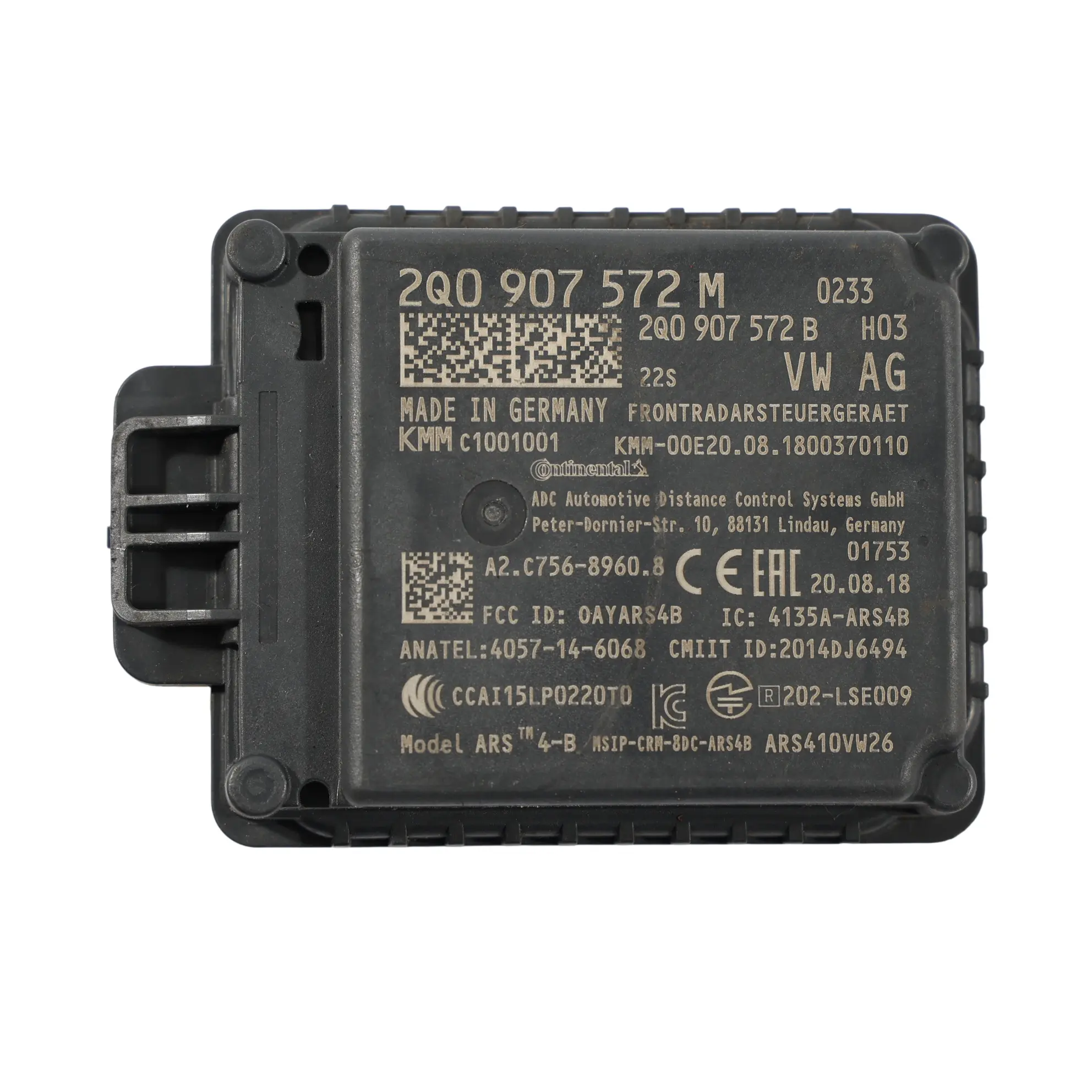
Part no. 2Q0907572M
Audi Q2 GA VW Tiguan AD Distance Radar Sensor Front ECU Control Unit 2Q0907572M
Product currently unavailable

Part no. 8K0907561B
Audi A4 B8 A5 8T Front Distance Radar Sensor Control Module 8K0907561B
Product currently unavailable
Lidar & Radar Sensors
In the Global Parts automotive store, you will find a wide selection of used car parts, compatible with brands such as Mercedes, Unbranded, Volkswagen, and others.
Construction and purpose of lidar and radar sensors
Lidar and radar sensors are electronic components of driver assistance systems, mounted depending on the vehicle's design in the bumper, grille, front panel cover, mirror, windshield, or the rear part of the body. Their task is to detect objects, measure distance, and transmit data to control units responsible for safety and driving support functions. A typical component includes a housing, an electrical connector, mounting points, and identification markings, such as the OEM part number and replacement numbers. In practice, selecting these components requires comparing the mounting location, equipment version, and compatibility with the vehicle's installation. This category offers parts for which it is worth checking the brand, condition, OEM part number, replacement numbers, and placement on the vehicle.
Comparison of sensor types and data needed for matching
| Component type | Main function | Typical mounting location | What to check before purchase |
|---|---|---|---|
| Front radar sensor | Measuring distance to vehicles and objects in front of the car | Front bumper, grille, front panel | OEM number, bracket, connector, radar cover, equipment version |
| Rear or side radar sensor | Support for blind-spot monitoring and reversing traffic | Rear body corners, rear bumper | Mounting side, part number, left/right position, control unit compatibility |
| Lidar sensor | Scanning the environment and precise obstacle detection | Depending on the car version and manufacturer's system | OEM number, mounting points, housing type, calibration compatibility |
Functions of lidar and radar sensors in driving assistance systems
Lidar and radar sensors are used to collect data about the vehicle's surroundings while driving, maneuvering, and parking. Selected functions within driver assistance systems are based on their signals, and in many cars, they also cooperate with computers and control units. A radar sensor detects movement and the distance of objects, while a lidar sensor is a solution based on the analysis of a reflected measurement signal, used where precise spatial mapping is required. Symptoms of problems with these components may include the failure to activate selected functions, messages about assistant unavailability, or errors after front or rear car repairs. When choosing a component such as a Mercedes radar, not only the OEM number compatibility is important, but also the correct placement on the vehicle and the condition of the housing covering the measurement path.
Selection and compatibility of lidar and radar sensors
When selecting lidar and radar sensors, it is best to compare the OEM number, replacement numbers, mounting position, and the equipment version responsible for system operation. Brackets, connector type, mounting side, and whether the component works with other parts, such as parking systems or driving assistance cameras, are also important. In many cases, the same car model was produced with different sensor variants, so it is worth verifying the part by VIN or manufacturer marking. When looking for parts for a specific model, for example, BMW E90, it is good to check if the sensor comes from a version with compatible equipment and the same mounting side. If you are looking for a component such as a Volkswagen parking sensor, you need to compare the shape of the housing, the type of plug, and the place of seating in the bumper or mounting strip.
Installation, calibration, and cooperating elements
Sensor mounting refers to the way the part is seated in the body or bracket, which affects the correct setting of the component's operating field. Even a matching OEM number is not enough if the bracket, cover, left or right position, or support structure differs. After replacing some components, adaptation or calibration may be necessary, especially when the sensor works with the front panel, bumper, control module, and the vehicle's electrical installation. For the buyer, the condition of the housing, the absence of cracks at mounting points, and the completeness of the connector are also of practical importance. A supplement to the knowledge about reasonable part selection is the article Repairing a Volkswagen on a budget? Discover how to save on original car parts., which shows how to compare parts and reduce costs without sacrificing fitment.
FAQ
| Question | Answer |
|---|---|
| What is the construction and purpose of lidar and radar sensors? | Lidar and radar sensors are electronic components used in driving assistance and safety systems. A typical element consists of a housing, a connector, mounting points, and a measurement part responsible for receiving and analyzing the signal. They are mounted in specific places on the body, depending on the function and design of the vehicle. Their purpose is to transmit data about the surroundings to the vehicle's control unit. |
| What are lidar and radar sensors used for? | Lidar and radar sensors are used to detect obstacles, vehicles, and other objects located around the car. They support the operation of systems responsible for distance control, warning, and selected parking functions. Without a correct signal from these elements, some assistance systems may operate to a limited extent or be temporarily disabled. Their role also includes transmitting precise data to control modules. |
| What is the construction and function of a sensor mounting bracket? | A sensor mounting bracket is a fastening element that keeps the sensor in the correct position relative to the body and the direction of measurement. It can be integrated with the housing or be a separate part cooperating with the bumper, grille, or support. Its function is stable mounting and maintaining the correct sensor setting. A damaged or incompatible bracket can make installation difficult and affect subsequent calibration. |
| How to choose the right lidar and radar sensor for a car? | It is safest to compare the OEM part number, replacement numbers, brand, and placement on the vehicle. It is also worth checking the equipment version, mounting side, and connector type, as differences between variants of one model can be significant. Verification by VIN or manufacturer marking is also useful. |
| What symptoms may indicate a problem with a lidar or radar sensor? | Typical symptoms include assistance system error messages, failure of selected functions, or irregular warnings while driving and maneuvering. It is worth checking not only the sensor itself but also the housing, mounting points, wires, and covers at the mounting location. After repairing body elements, the cause of the problem may also be incorrect part setting. |
| Why might calibration be needed after replacing a sensor? | Calibration is needed when the system requires confirmation of the correct position and parameters of the newly installed component. This applies especially to situations where the sensor was replaced along with the bracket, bumper, or other parts affecting its setting. Without this procedure, the control unit may recognize the part but limit the operation of selected functions. |
Summary: lidar and radar sensors at the Global Parts automotive store
Lidar and radar sensors are important elements of modern driving assistance systems, so when choosing them, it is worth comparing the OEM number, mounting method, equipment version, and placement on the vehicle. The Global Parts offer includes used parts for many brands, including Mercedes, Unbranded, Volkswagen, as well as BMW and others. This makes it easier to match the right element to a specific car version and equipment range. We invite you to contact us – we are here to help you! For more information and interesting facts, we also invite you to visit our automotive blog.