


ABS controllers
More informationAt the Global Parts automotive store, we offer a wide selection of original used car parts, including ABS controllers for many popular car brands such as BMW, Mini, Mercedes, Audi, Volkswagen, and others. Our ABS controllers undergo quality control to ensure you receive a top-quality product.
Find it faster
Match to your vehicle
Make
Category
Subcategory
Condition
In Stock
Price
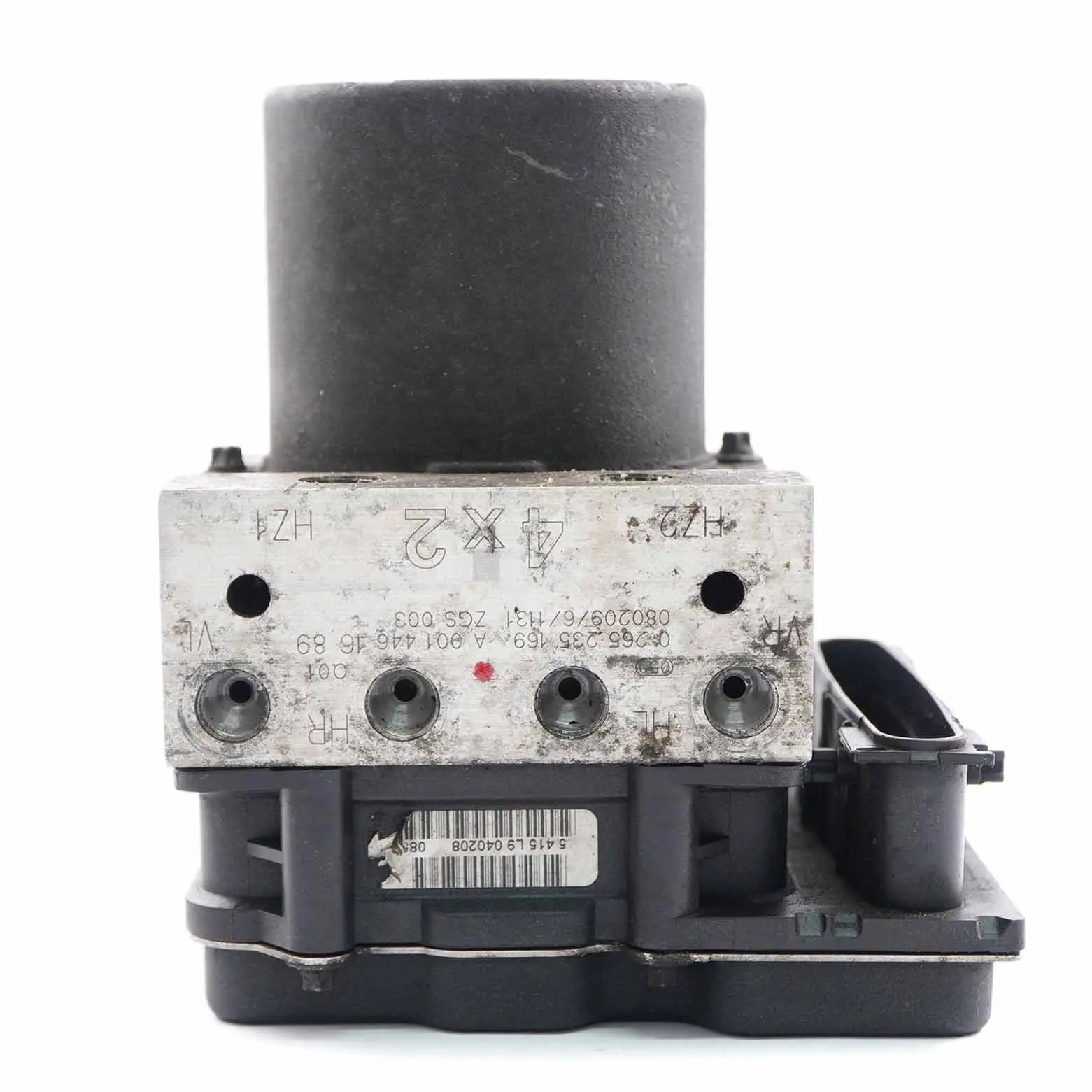
Part no. A0014461689
Mercedes Vito Viano W639 ABS Unit DSC Hydro Brake Pump Module A0014461689
PLN 379.95
Free delivery: Oct 20
If paid before 14:00
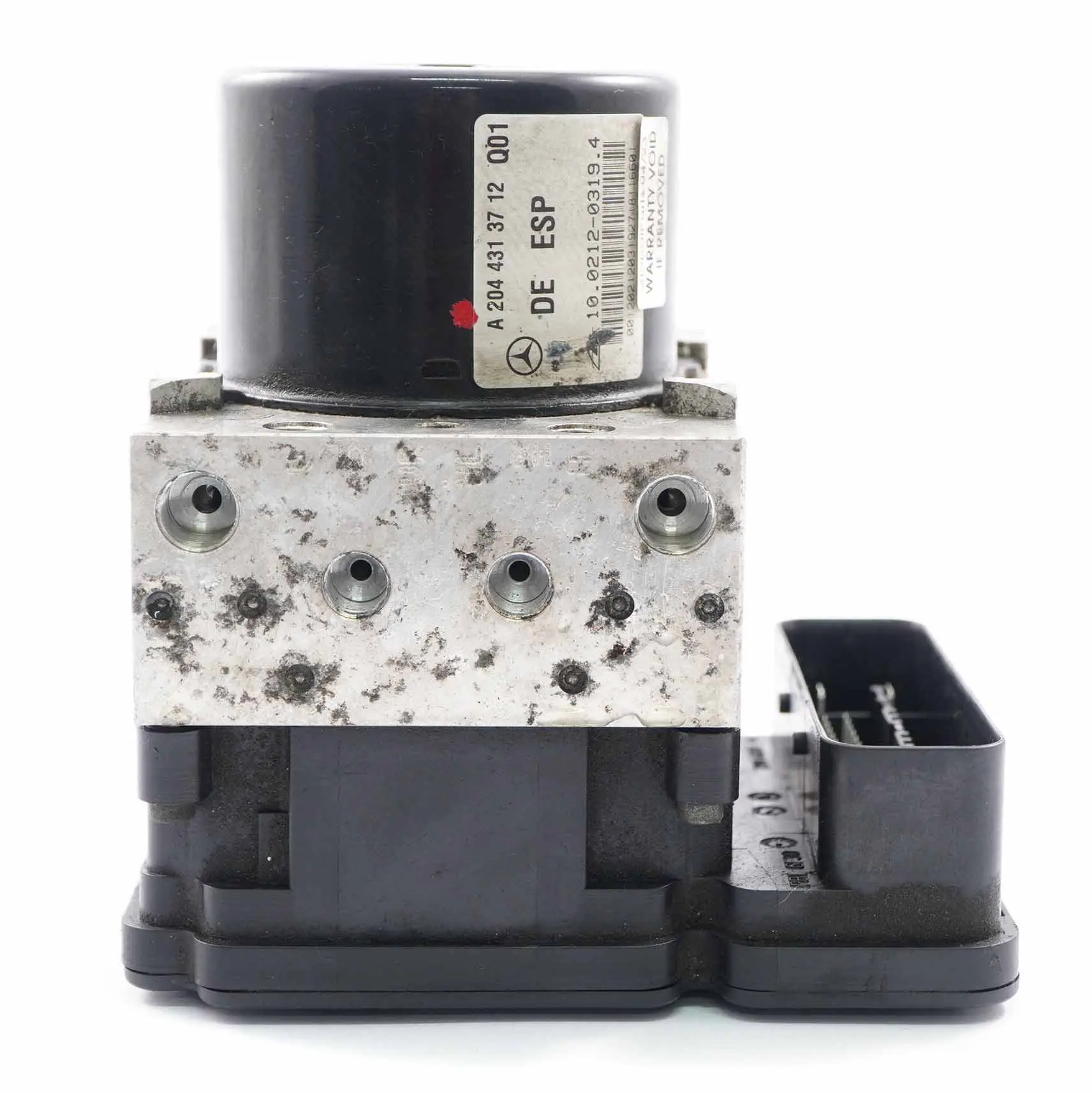
Part no. A2045455132
Mercedes W204 ABS Unit Hydro Brake Pump Control Module A2045455132 A2044313712
PLN 759.95
Free delivery: Oct 20
If paid before 14:00
-5%
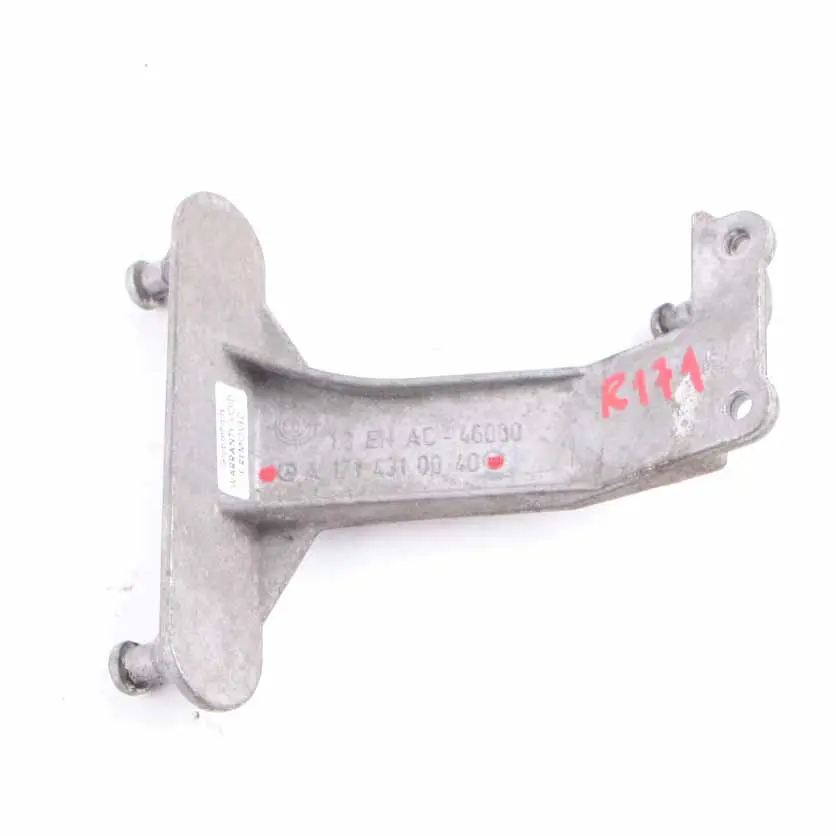
Part no. A1714310040
Mercedes SLK R171 ABS Brake Pump Mount Bracket Holder Support A1714310040
Promo price
PLN 142.95
PLN 135.80
Free delivery: Oct 20
If paid before 14:00
-15%
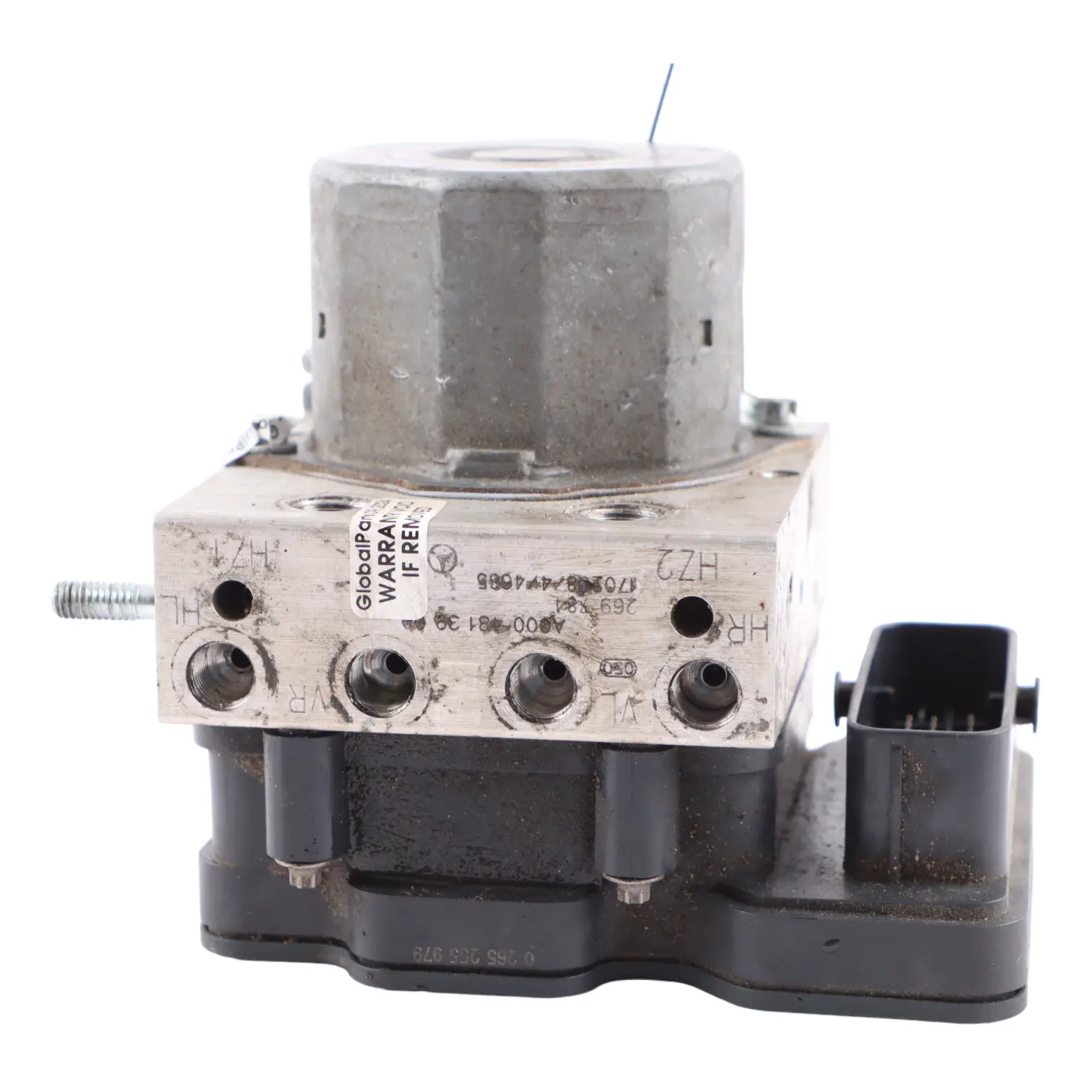
Part no. A0004313900
Mercedes X156 Pump Modulator Braking Control Unit Module A0004313900
Promo price
PLN 332.95
PLN 283.01
Free delivery: Oct 20
If paid before 14:00
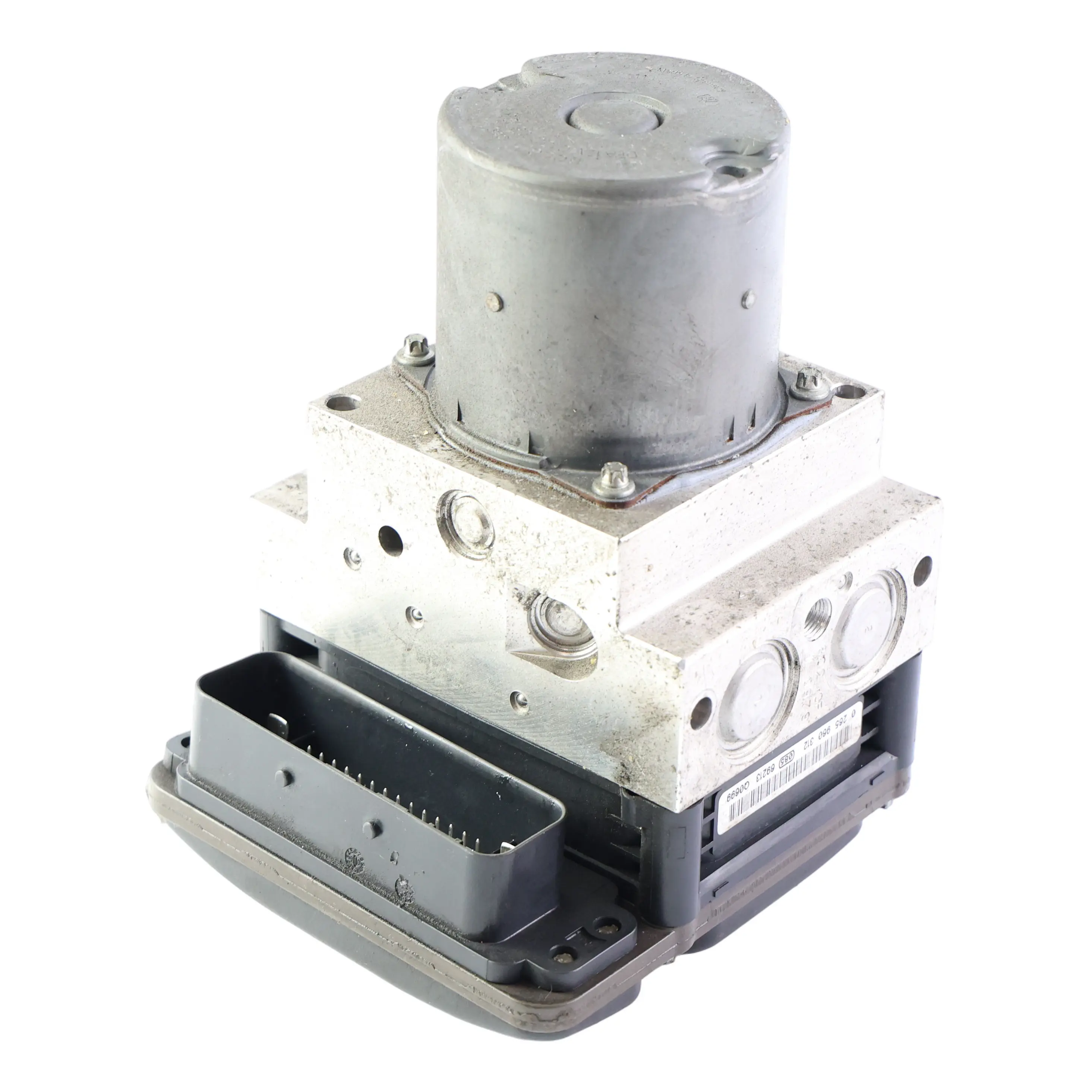
Part no. A2114311712
Mercedes W211 ABS Pump Brake Control Module Unit Controller A2114311712
PLN 289.95
Free delivery: Oct 20
If paid before 14:00
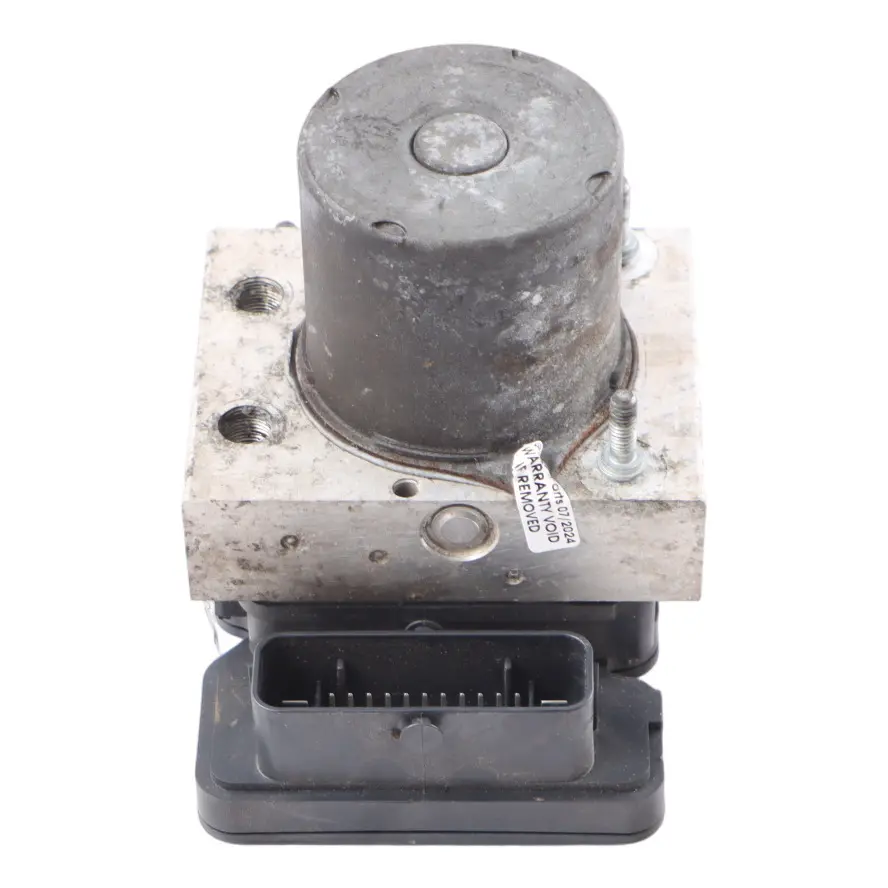
-40%
Part no. A9069001102
Mercedes Sprinter W906 ABS Unit Hydro Brake Pump Control Module A9069001102
Promo price
PLN 1,424.95
PLN 854.97
Free delivery: Oct 20
If paid before 14:00
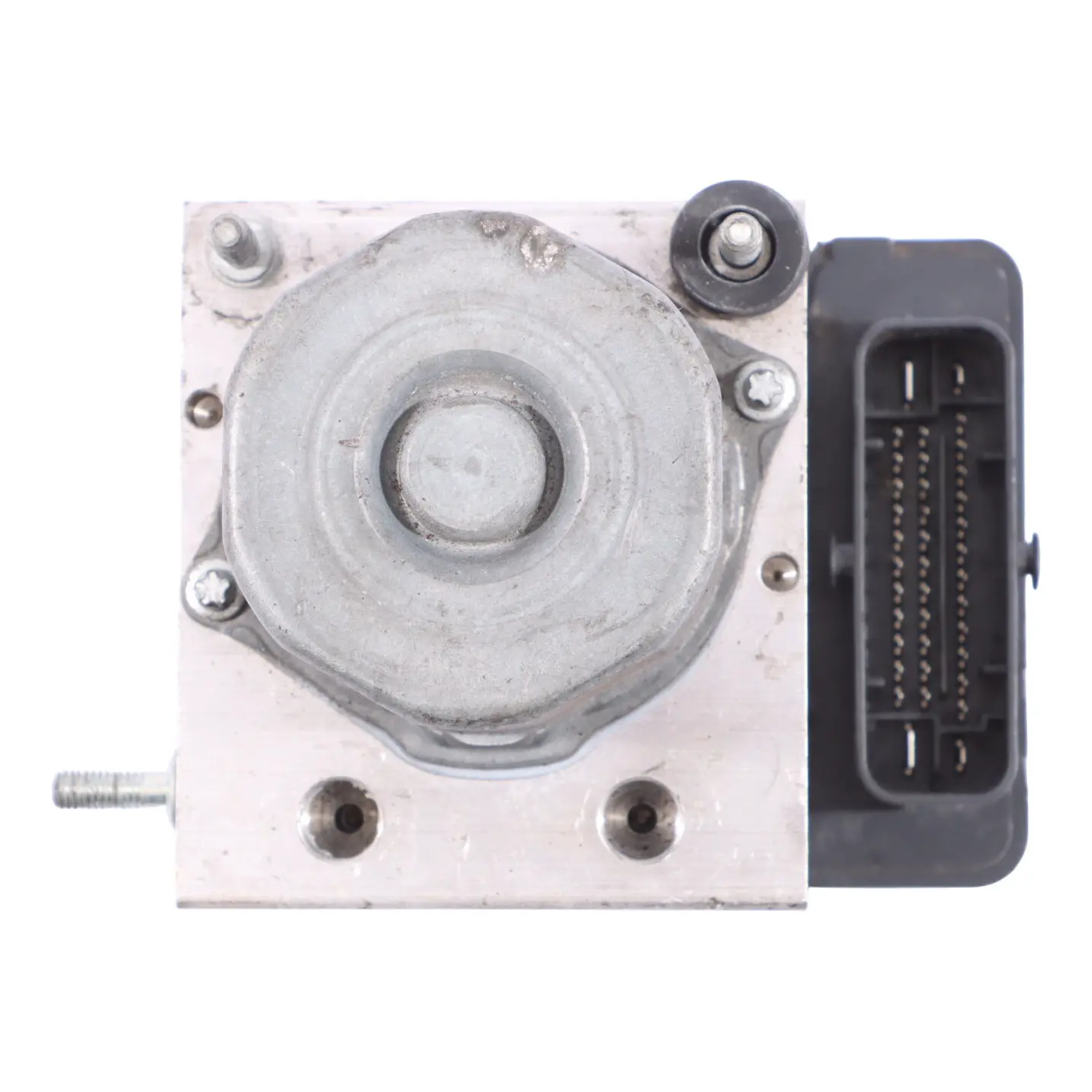
-40%
Part no. A0094313412
Mercedes GLA X156 ABS Pump Hydraulic Unit A0004310600
Promo price
PLN 474.95
PLN 284.97
Free delivery: Oct 20
If paid before 14:00
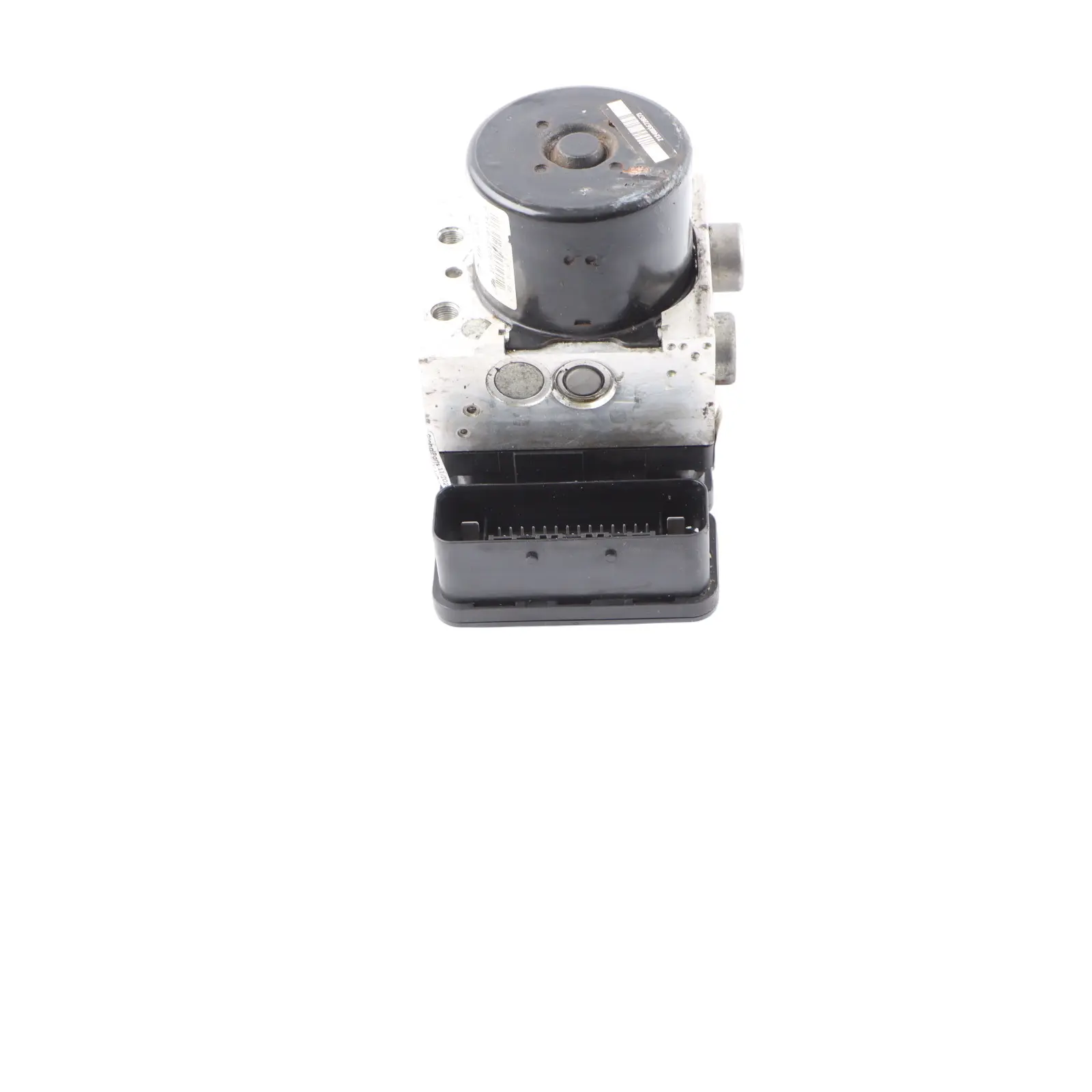
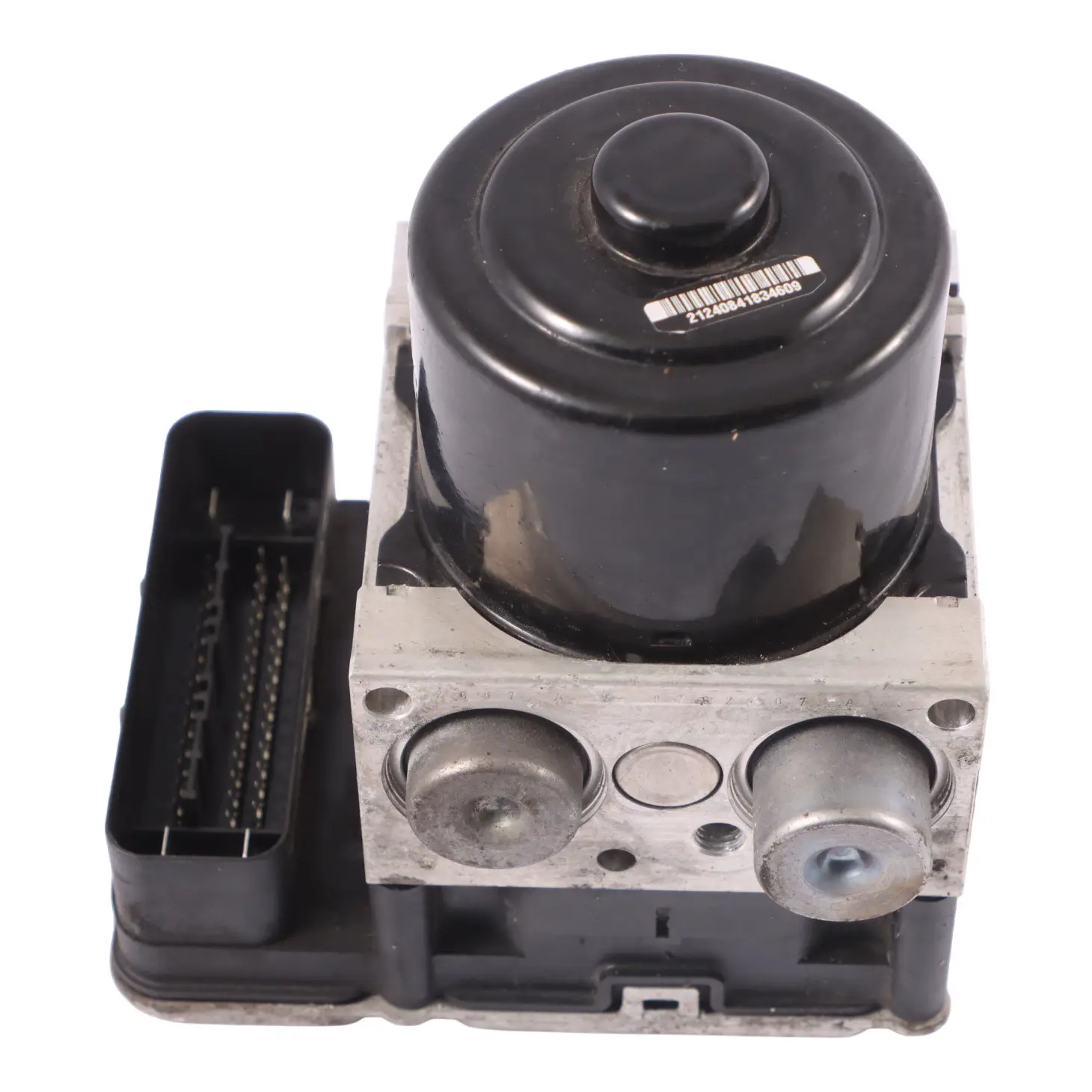
Part no. A2045455432
Mercedes W204 ABS ESP Block Hydraulic Pump Unit A2045455432
PLN 902.95
Free delivery: Oct 20
If paid before 14:00
-40%
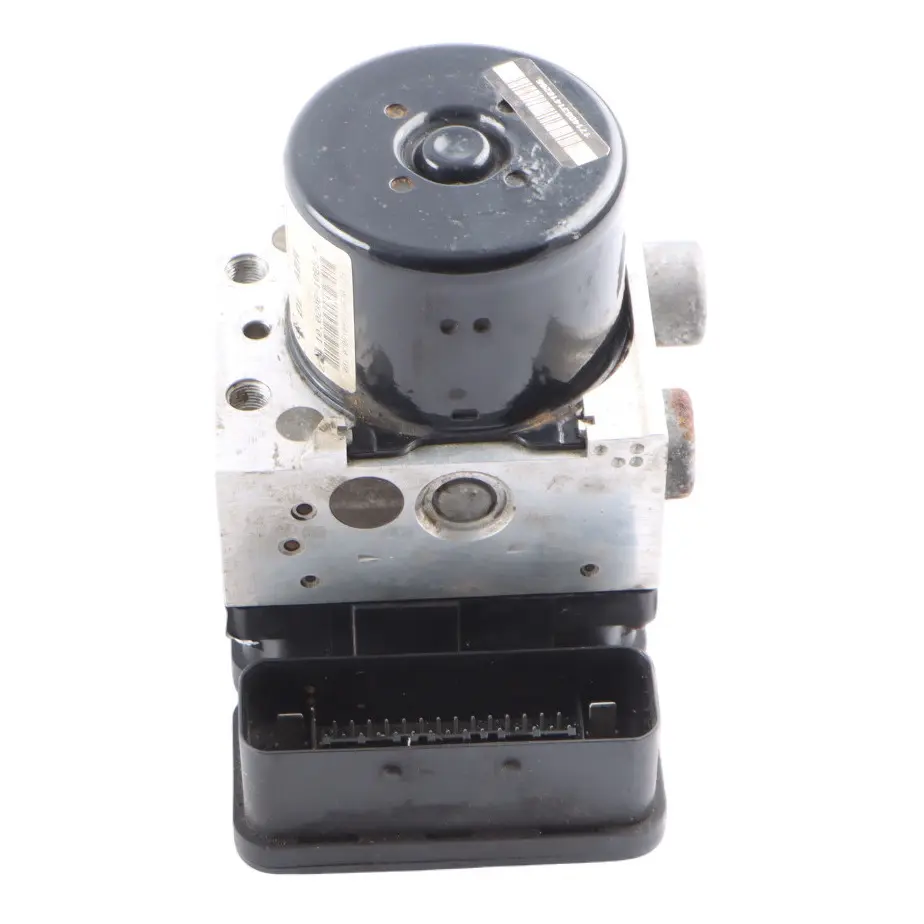
Part no. A2214319712
Mercedes W221 ABS Pump Control Modulator Hydraulic Unit Block A2214319712
Promo price
PLN 1,424.95
PLN 854.97
Free delivery: Oct 20
If paid before 14:00
-15%
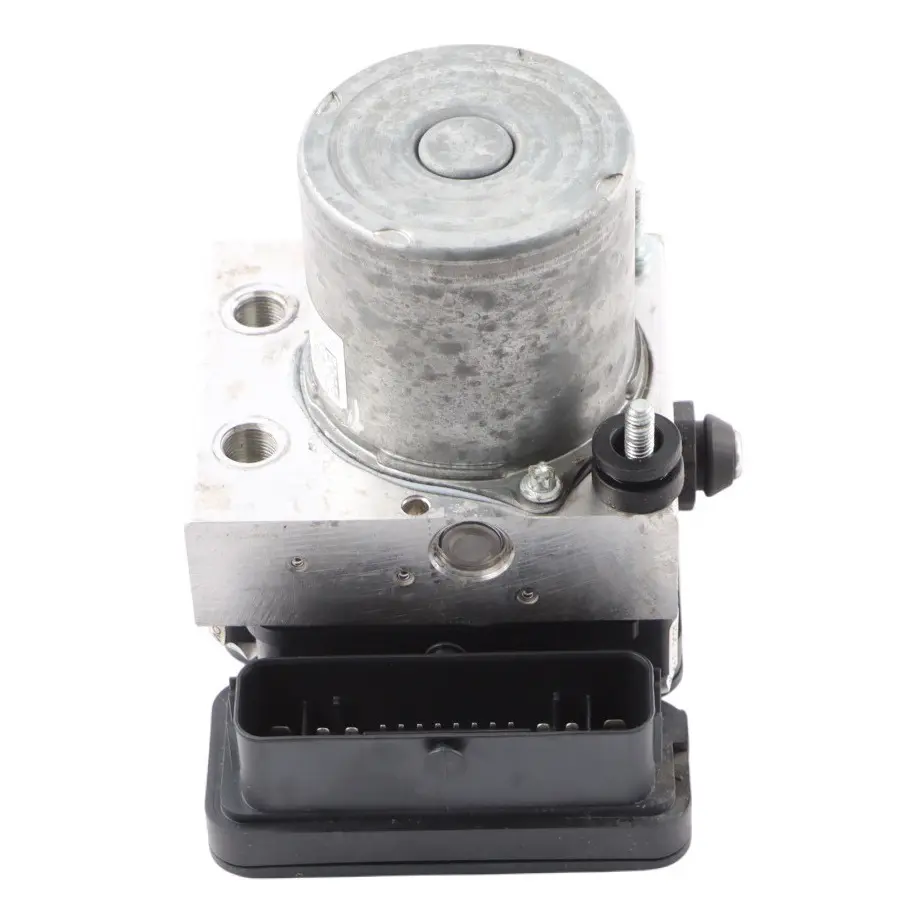
Part no. A2214310512
ABS Pump Mercedes W221 S550 Control Modulator Hydraulic Unit Block A2215455231
Promo price
PLN 2,374.95
PLN 2,018.71
Free delivery: Oct 20
If paid before 14:00
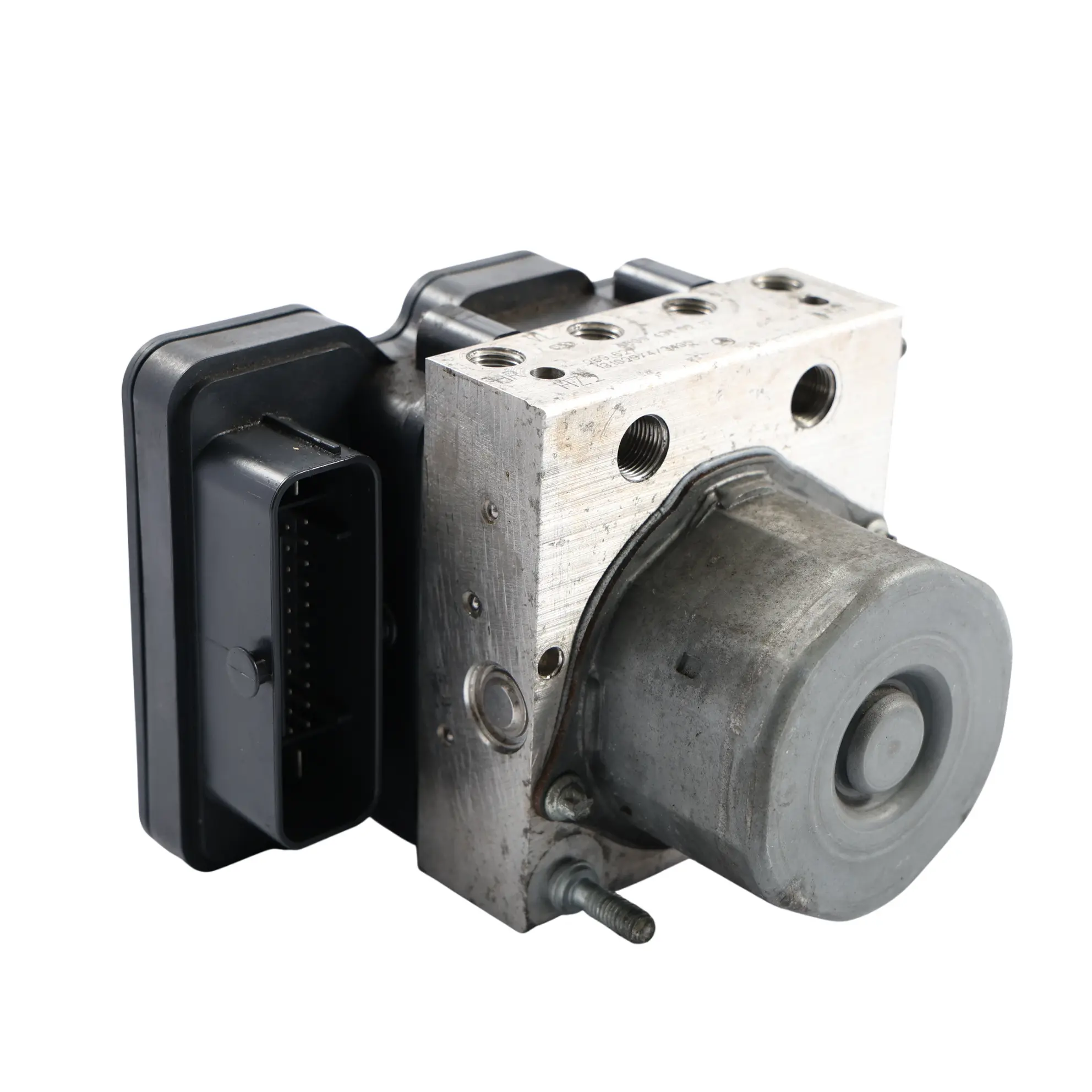
Part no. A1779002515
Mercedes W177 Hydraulic ABS Pump Modulator Control Unit A1779002515
PLN 902.95
Free delivery: Oct 20
If paid before 14:00
-15%
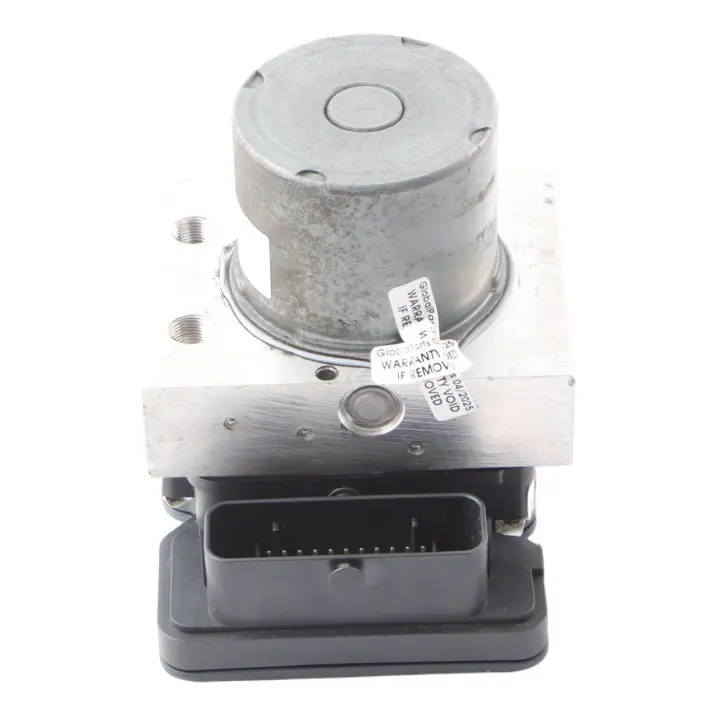
Part no. A0094315212
Mercedes W176 Brake Pump ABS Module Hydraulic Control Unit A0094315212
Promo price
PLN 180.95
PLN 153.81
Free delivery: Oct 20
If paid before 14:00
-40%
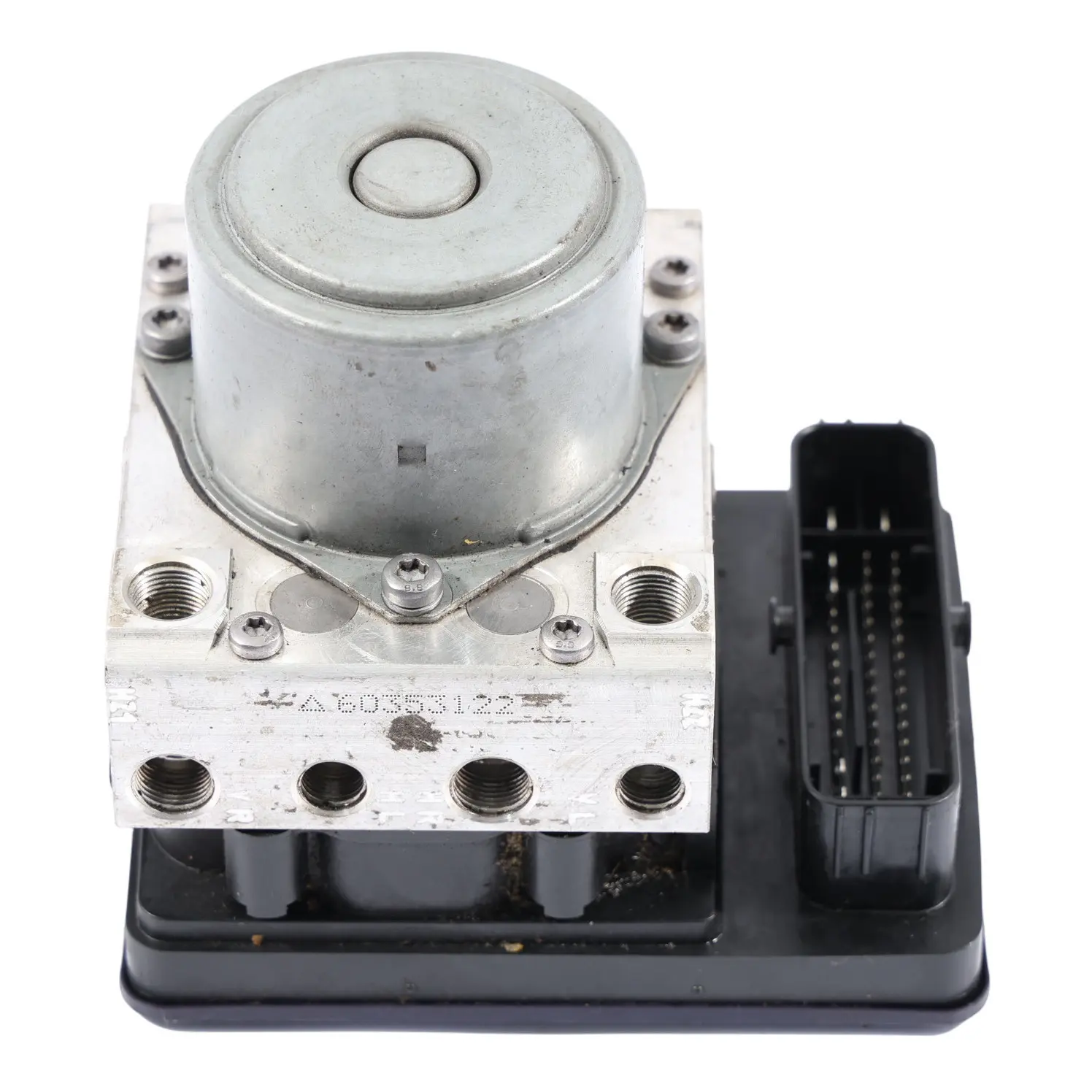
Part no. A9079004103
Mercedes W907 ABS Hydraulic Brake Pump Unit A9079004103
Promo price
PLN 260.95
PLN 156.57
Free delivery: Oct 20
If paid before 14:00
-40%
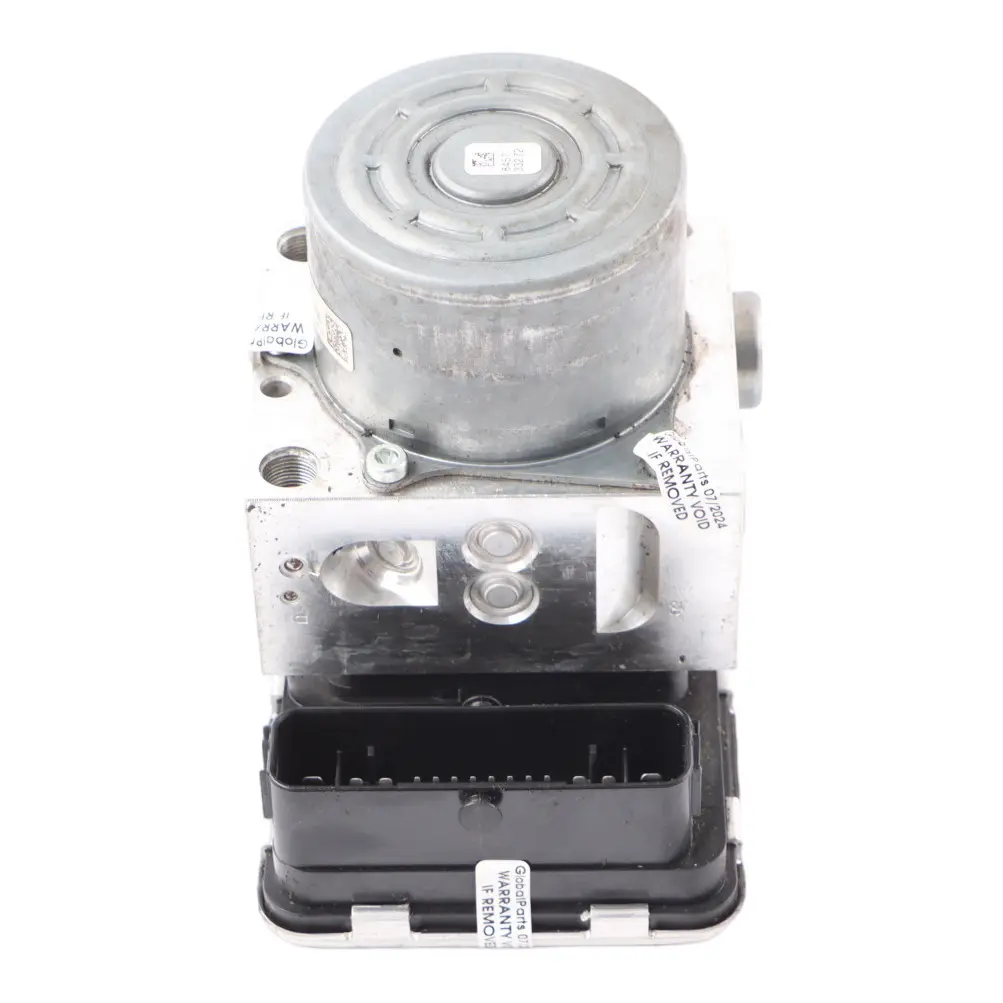
Part no. A2059004449
ABS Pump Mercedes W205 GLC X253 Hydraulic Braking Control Unit A2059004449
Promo price
PLN 949.95
PLN 569.97
Free delivery: Oct 20
If paid before 14:00
-15%
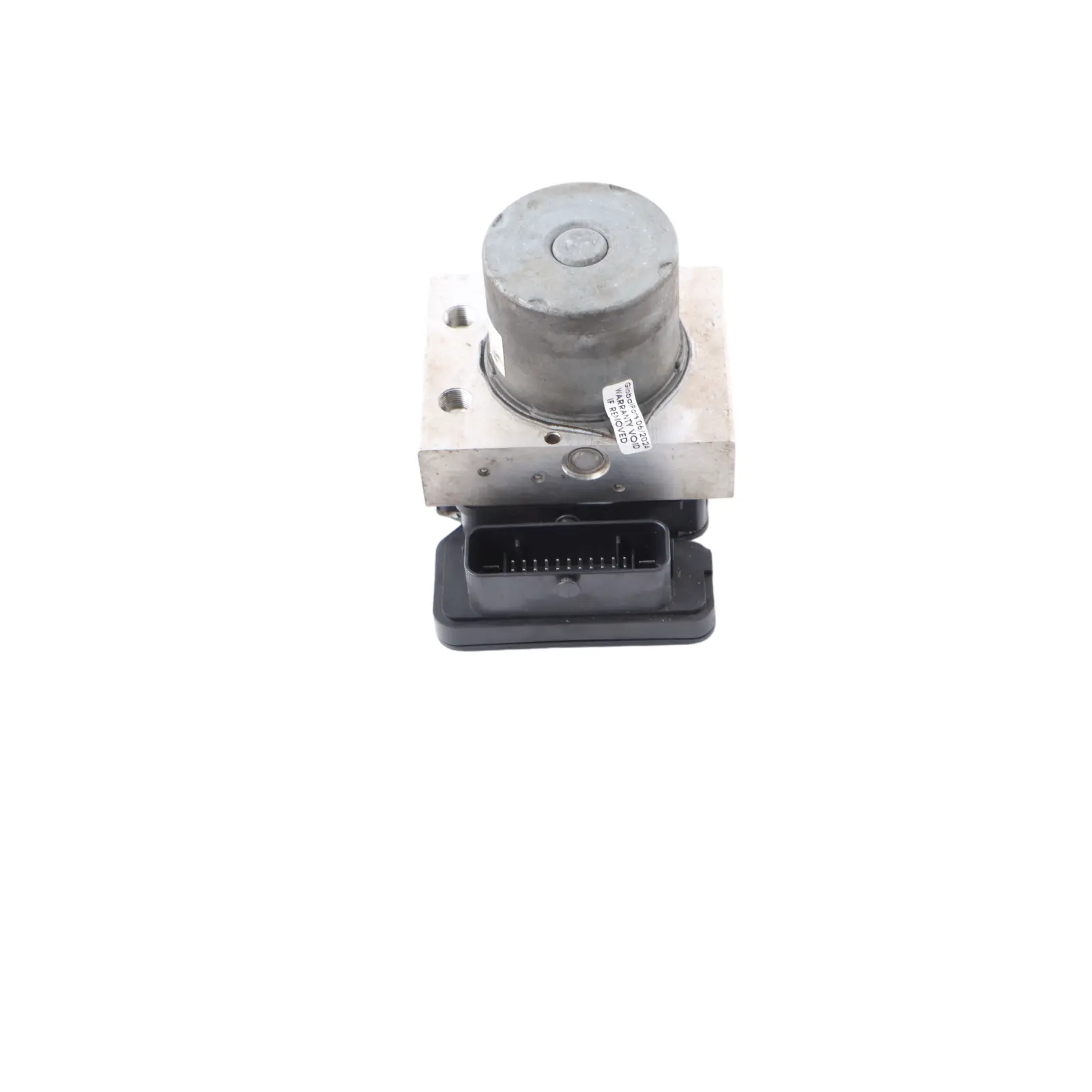
Part no. A2539011600
ABS Pump Mercedes W205 Hydraulic Braking Control Unit A2539011600
Promo price
PLN 427.95
PLN 363.76
Free delivery: Oct 20
If paid before 14:00
-40%
Part no. A9079009305
Mercedes W910 ABS Pump Stability Hydraulic Unit A9079009305
Promo price
PLN 474.95
PLN 284.97
Free delivery: Oct 20
If paid before 14:00
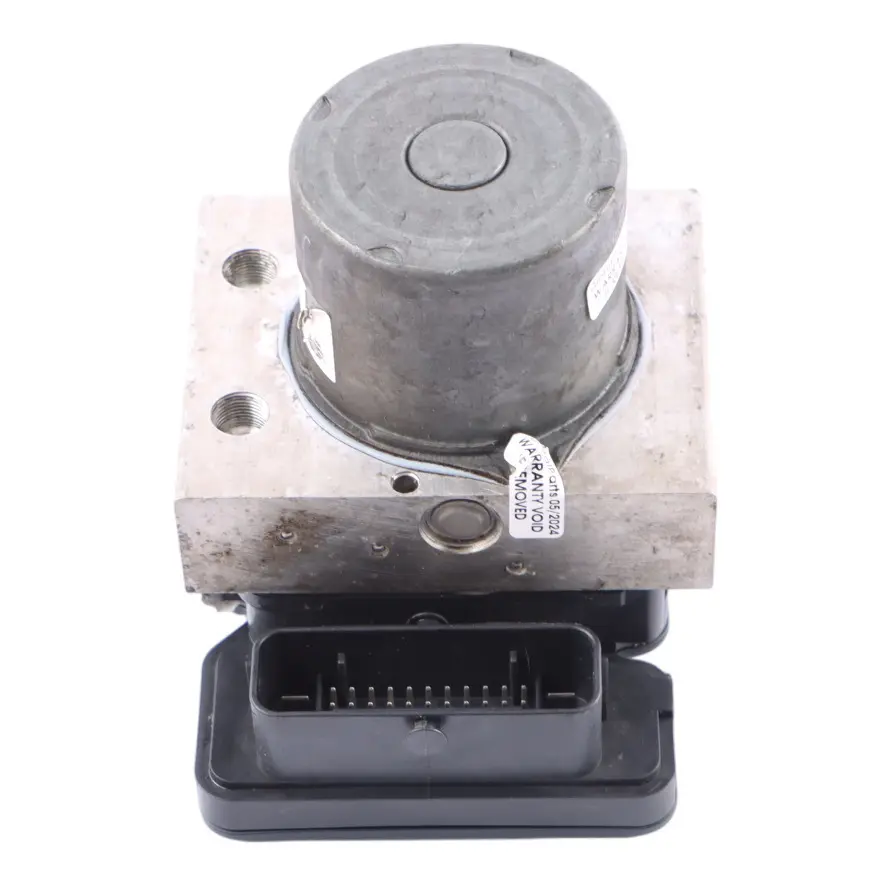
Part no. A9079008104
Mercedes Sprinter W907 W910 Hydraulic Brake Module Unit ABS Pump A9079008104
PLN 213.95
Free delivery: Oct 20
If paid before 14:00
-15%
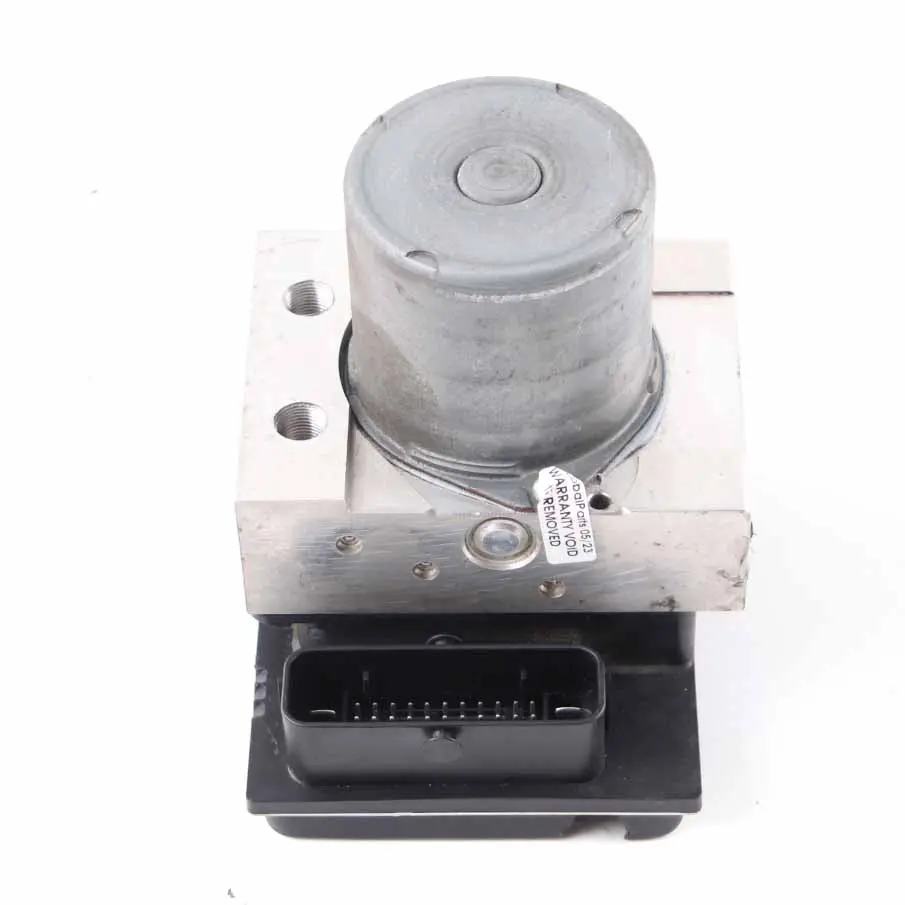
Part no. A2124315612-1
Hydro Brake Pump Mercedes W212 ESP ABS Braking Control Unit A2124315512
Promo price
PLN 237.95
PLN 202.26
Free delivery: Oct 20
If paid before 14:00
-15%
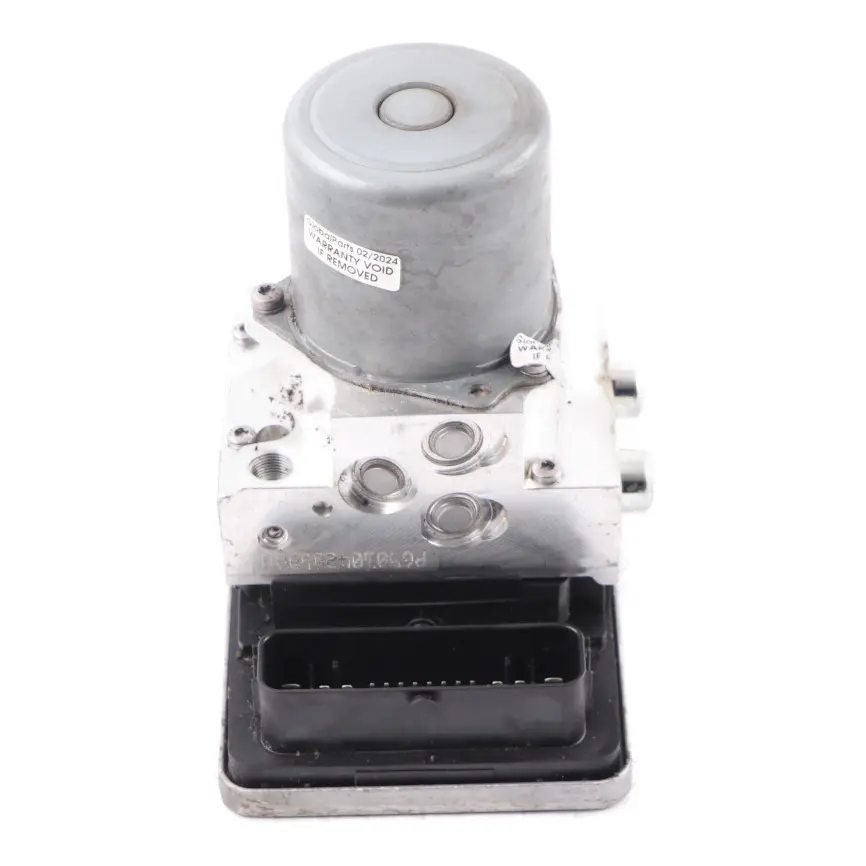
Part no. A2059005944
Mercedes S205 Brake Pump ABS EBC Hybrid Hydraulic Unit Module A2059005944
Promo price
PLN 522.95
PLN 444.51
Free delivery: Oct 20
If paid before 14:00
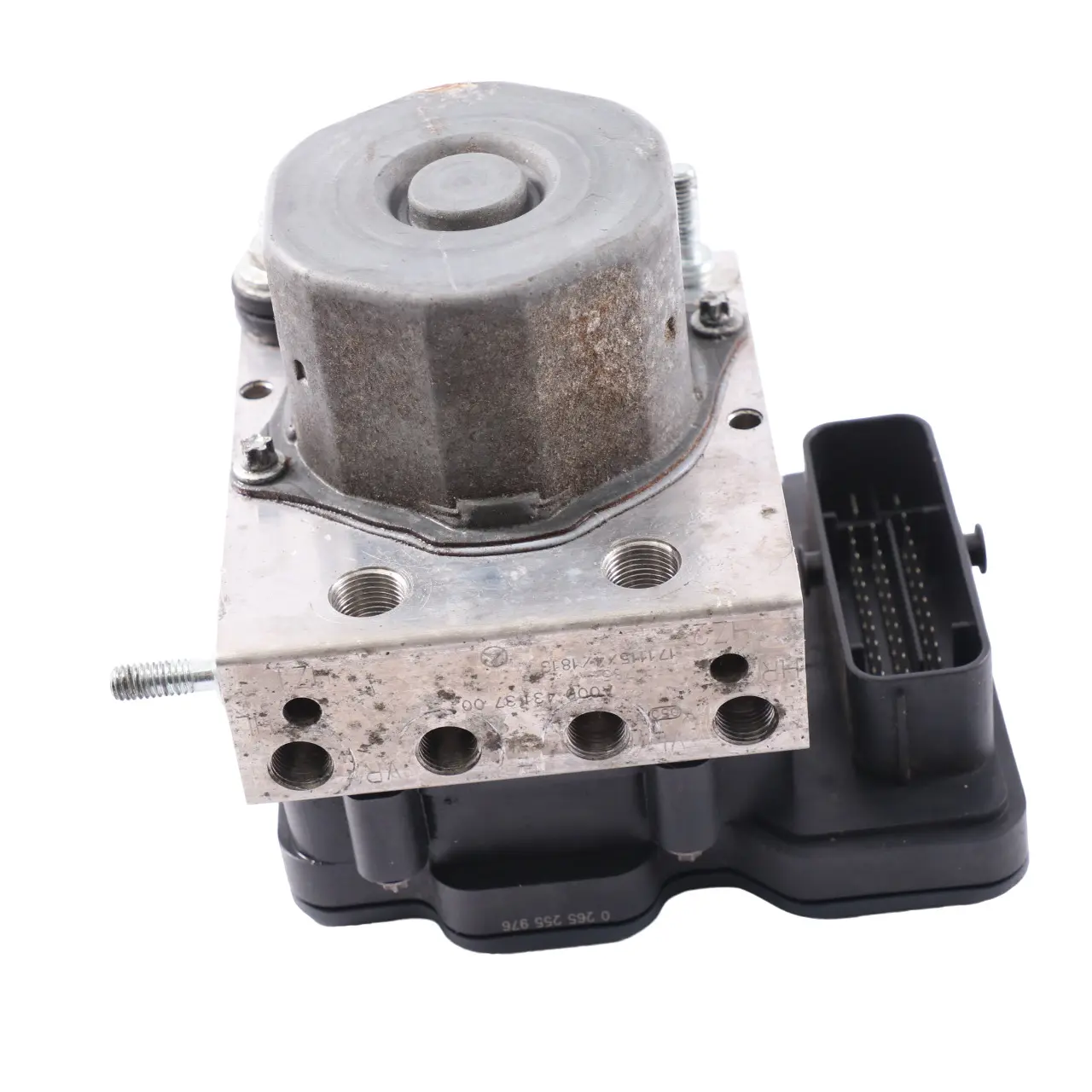
Part no. A0004311600-1
Mercedes C117 W176 W246 Hydraulic ABS Pump Modulator A0004311600
Product currently unavailable
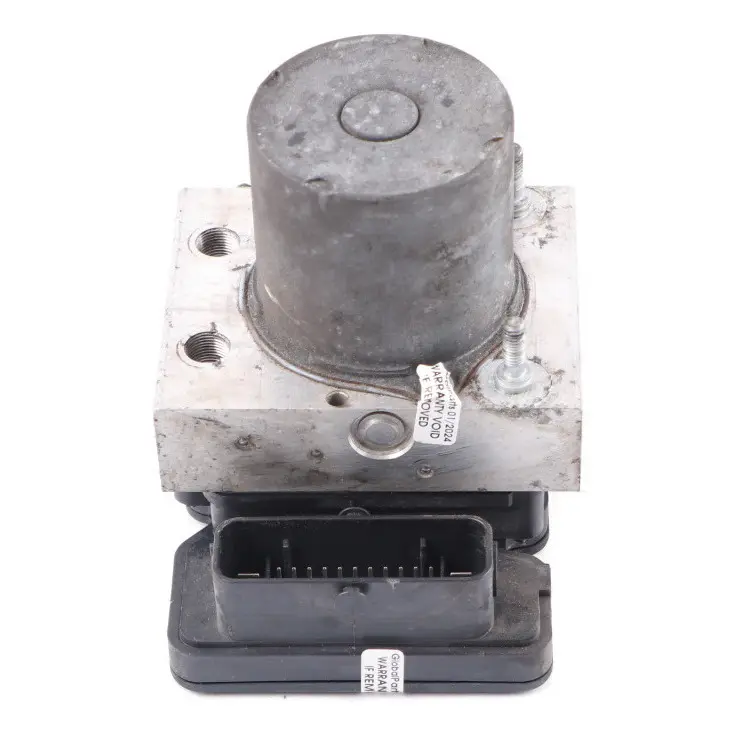
Part no. A9069004701
Mercedes Sprinter W906 Brake Pump ABS ESP Hydraulic Brake Unit A9069004701
Product currently unavailable
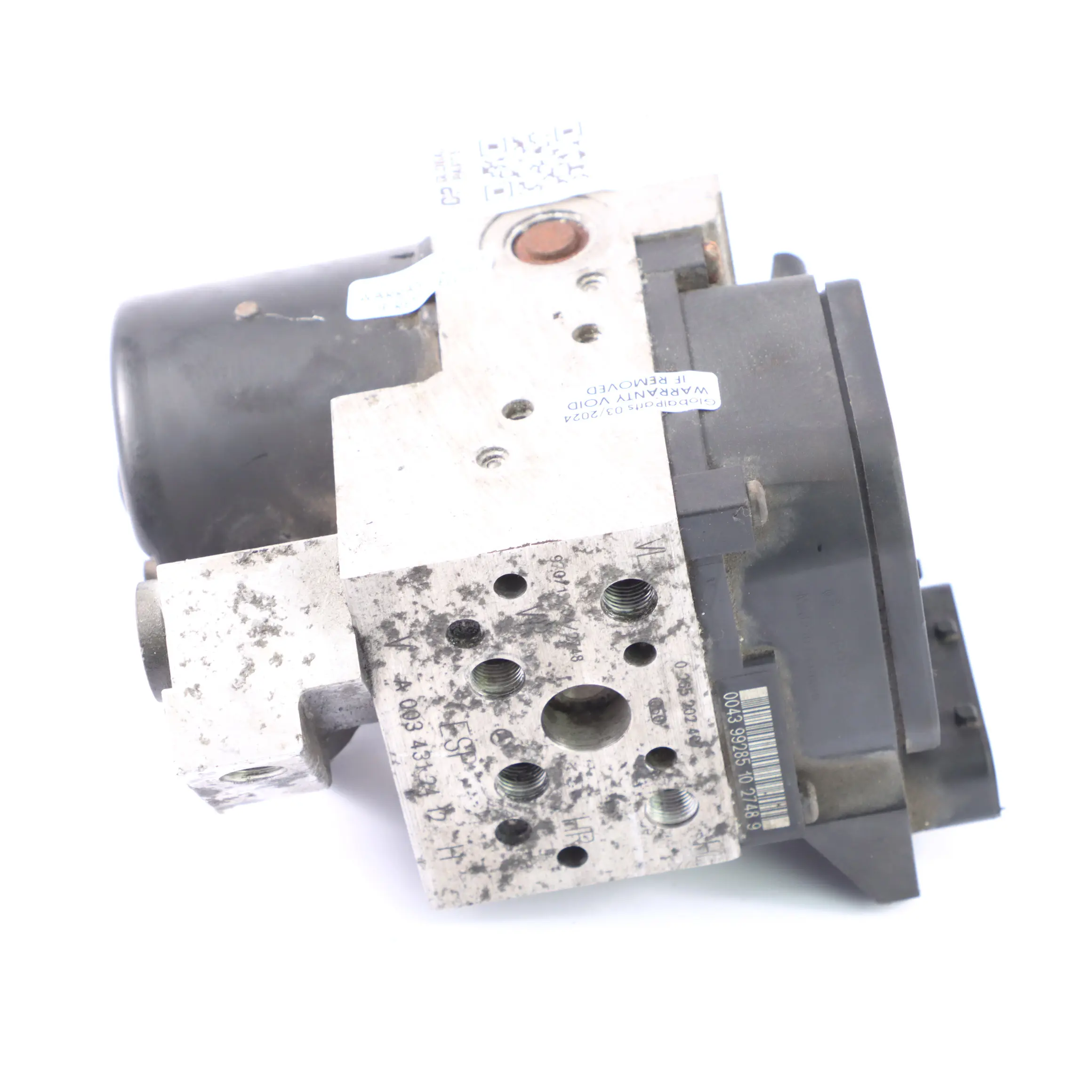
Part no. A0034314212
ABS Pump Mercedes W210 Hydraulic Brake ABS Pump Unit A0034314212
Product currently unavailable
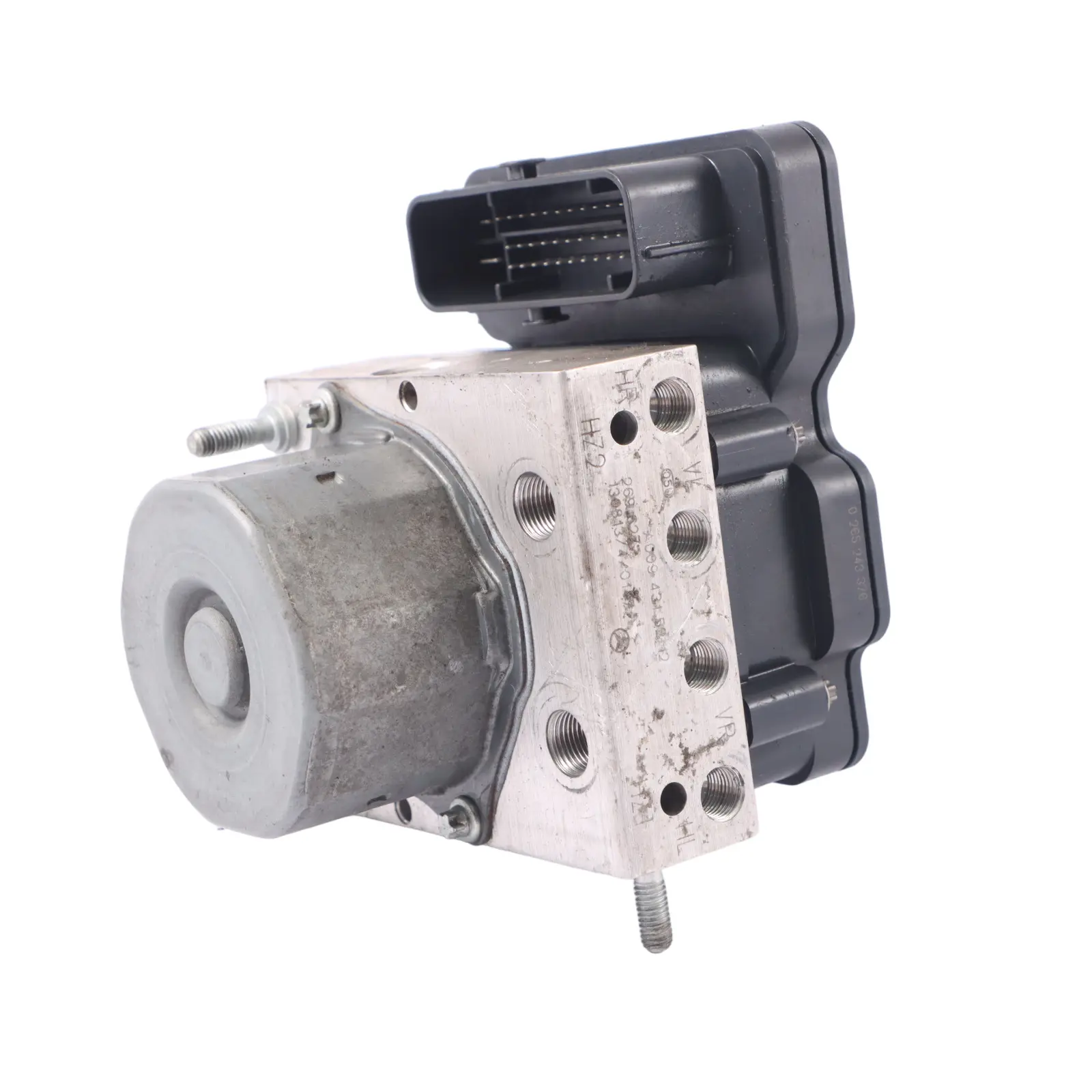
Part no. A0094312212
Mercedes W246 Hydraulic ABS Pump Modulator A0094312212
Product currently unavailable
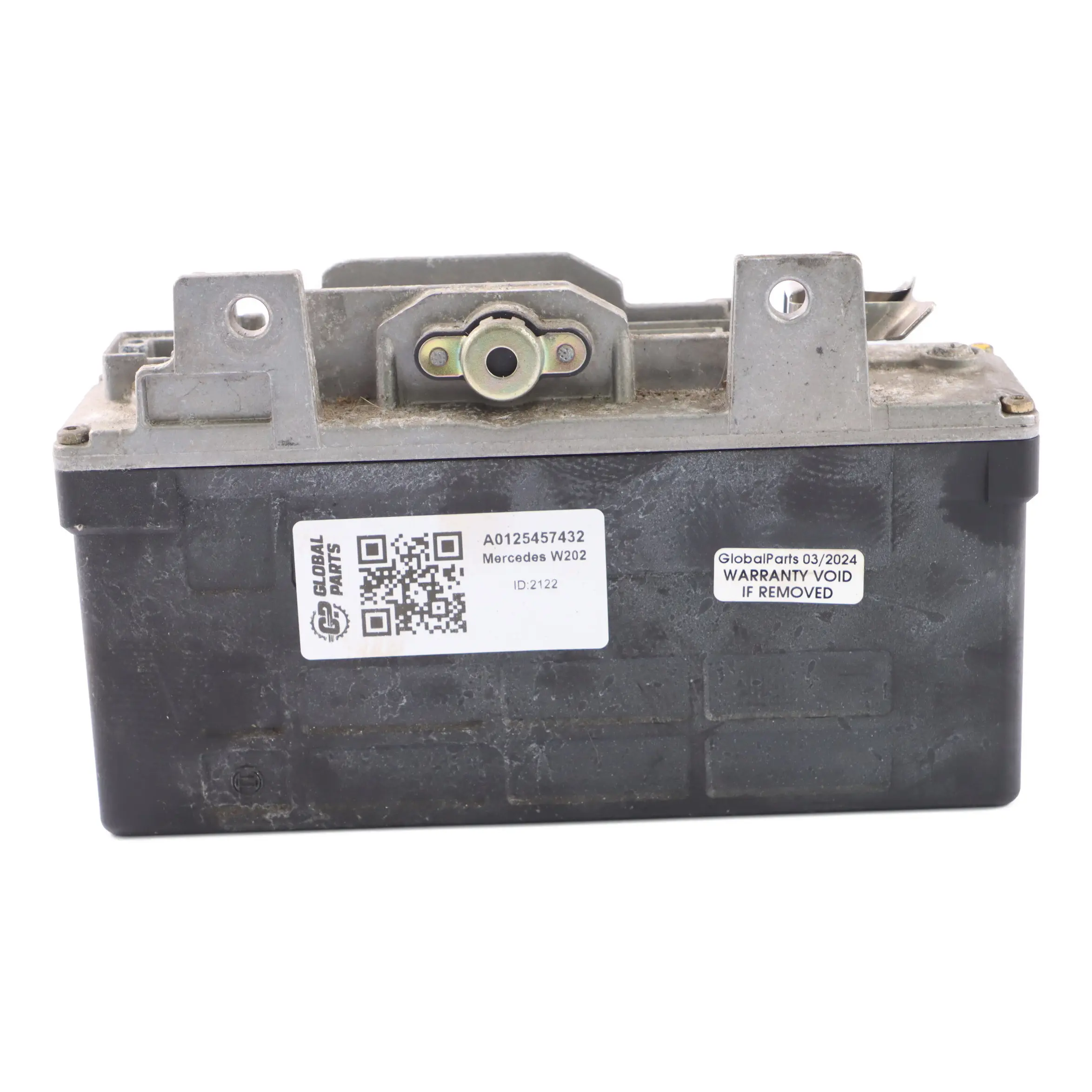
Part no. A0125457432
Mercedes W202 ABS Control Module Unit ECU A0295450632
Product currently unavailable
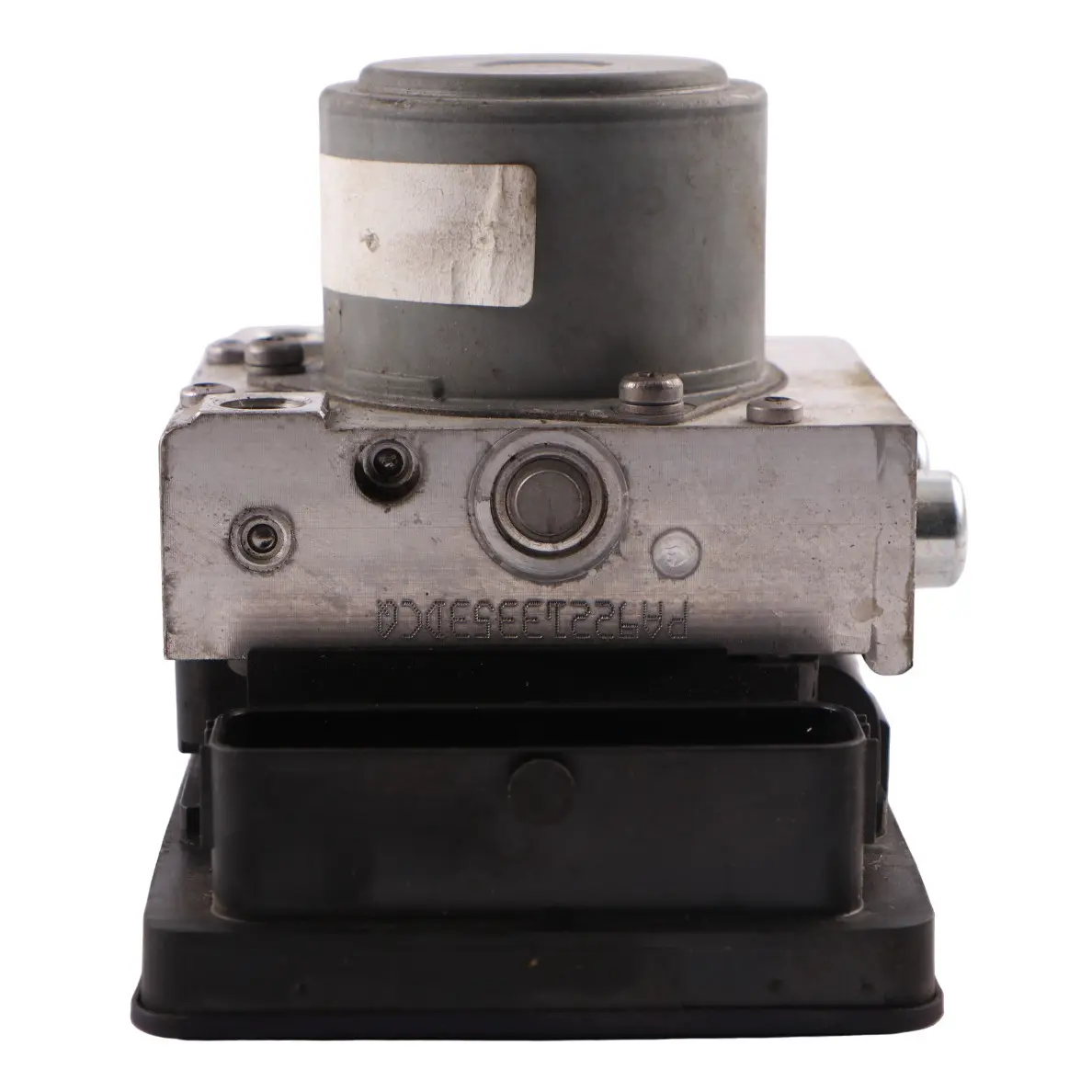
Part no. A2134314801
Mercedes W213 ABS Unit Hydro Brake Pump Control Module A2134314801
Product currently unavailable
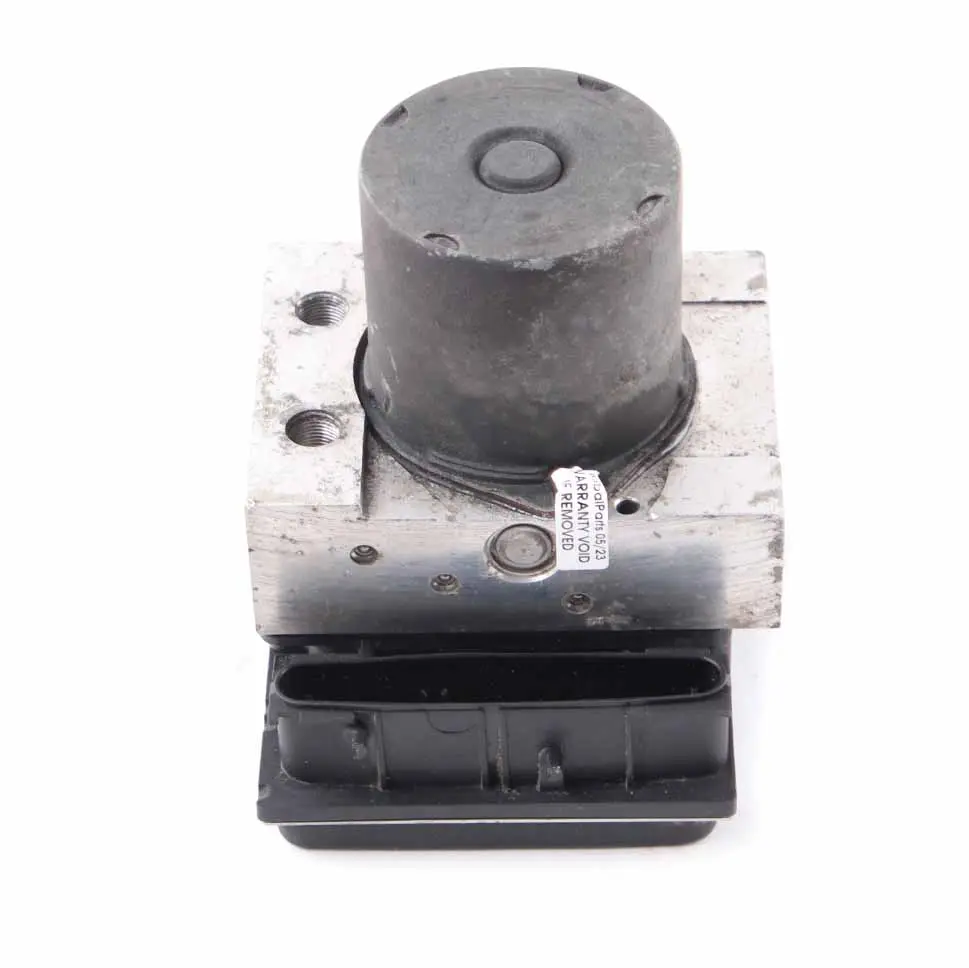
Part no. A0014468989
Mercedes Vito Viano W639 ABS Unit Hydro Brake Pump Module A0014468989
Product currently unavailable
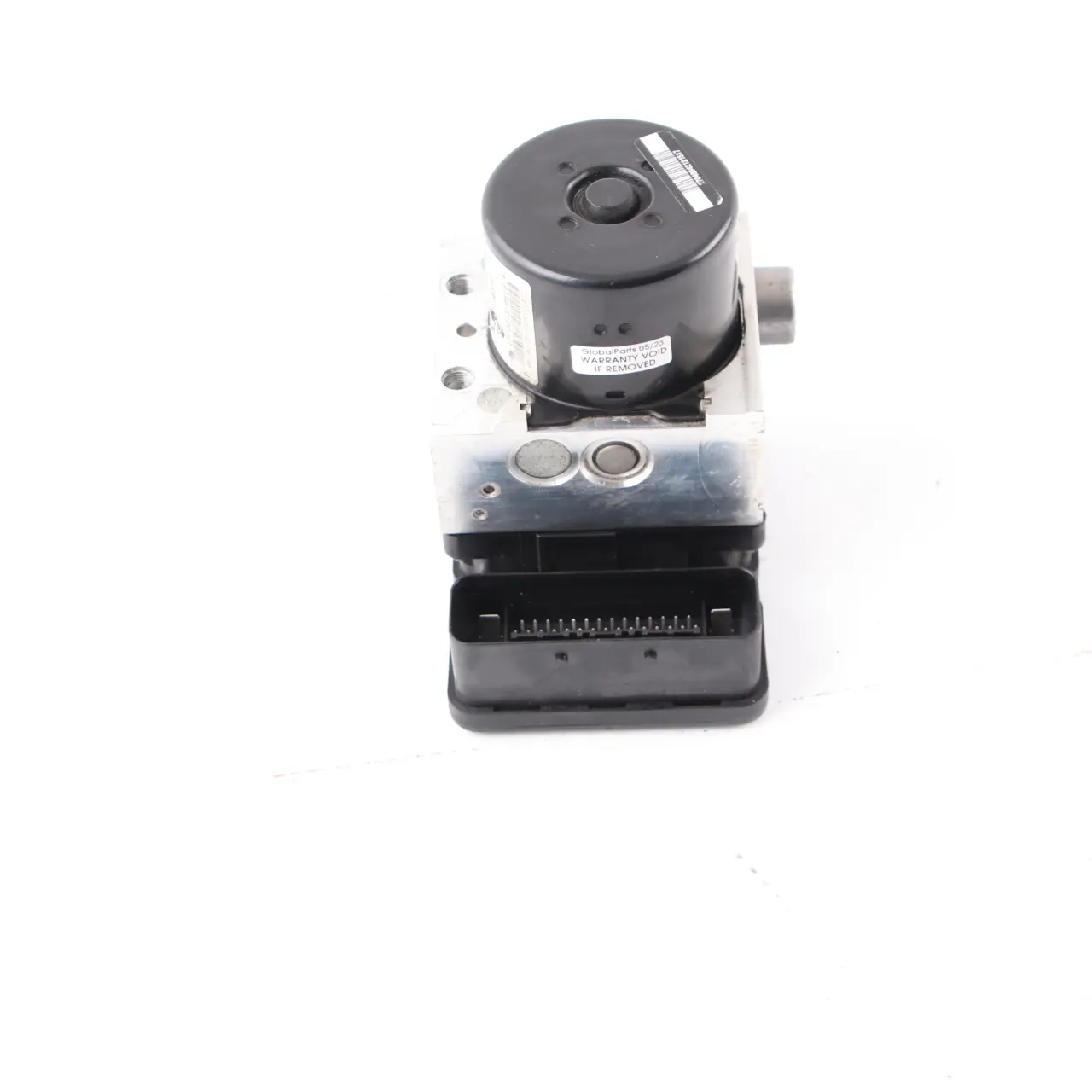
-5%
Part no. A1724312612
Mercedes W204 ABS Unit Hydro Brake Pump Control Module A1724312612 A1729014100
Product currently unavailable
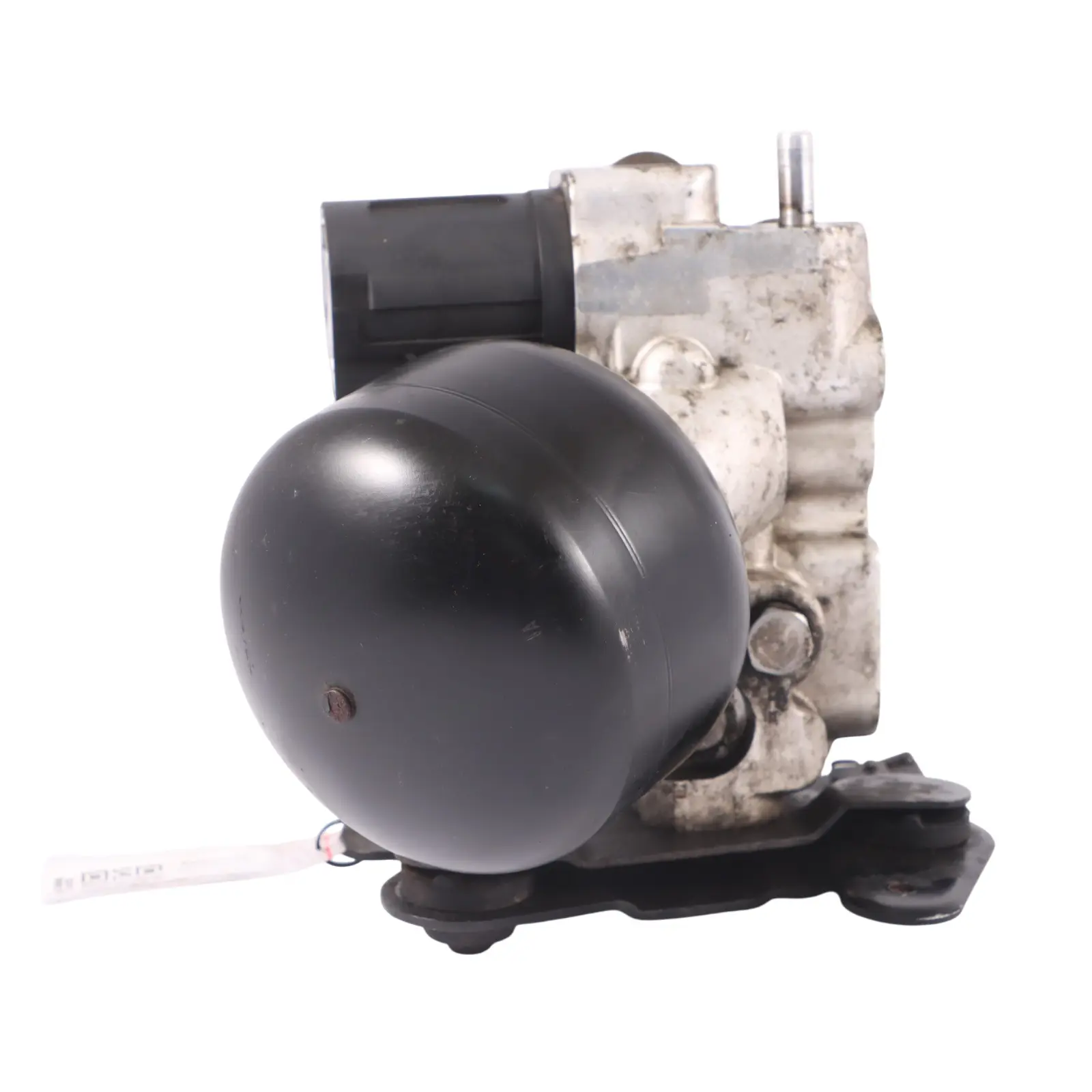
Part no. A2213200958
Mercedes W221 Front Axle ABS Suspension Pump Valve Block A2213200958
Product currently unavailable
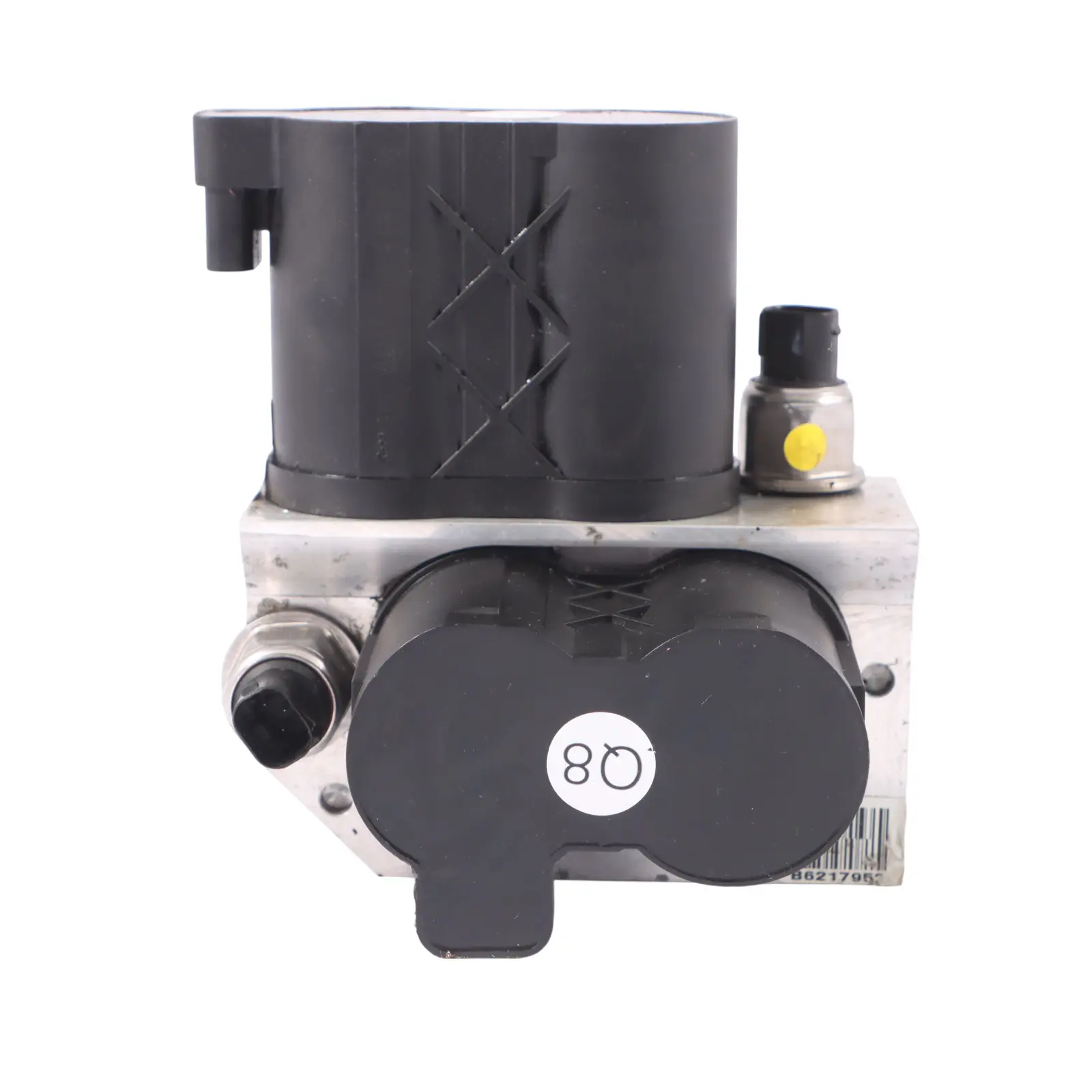
Part no. A2213200358
Mercedes W221 ABS Pump Hydraulic Valve Block Level Control A2213200358
Product currently unavailable
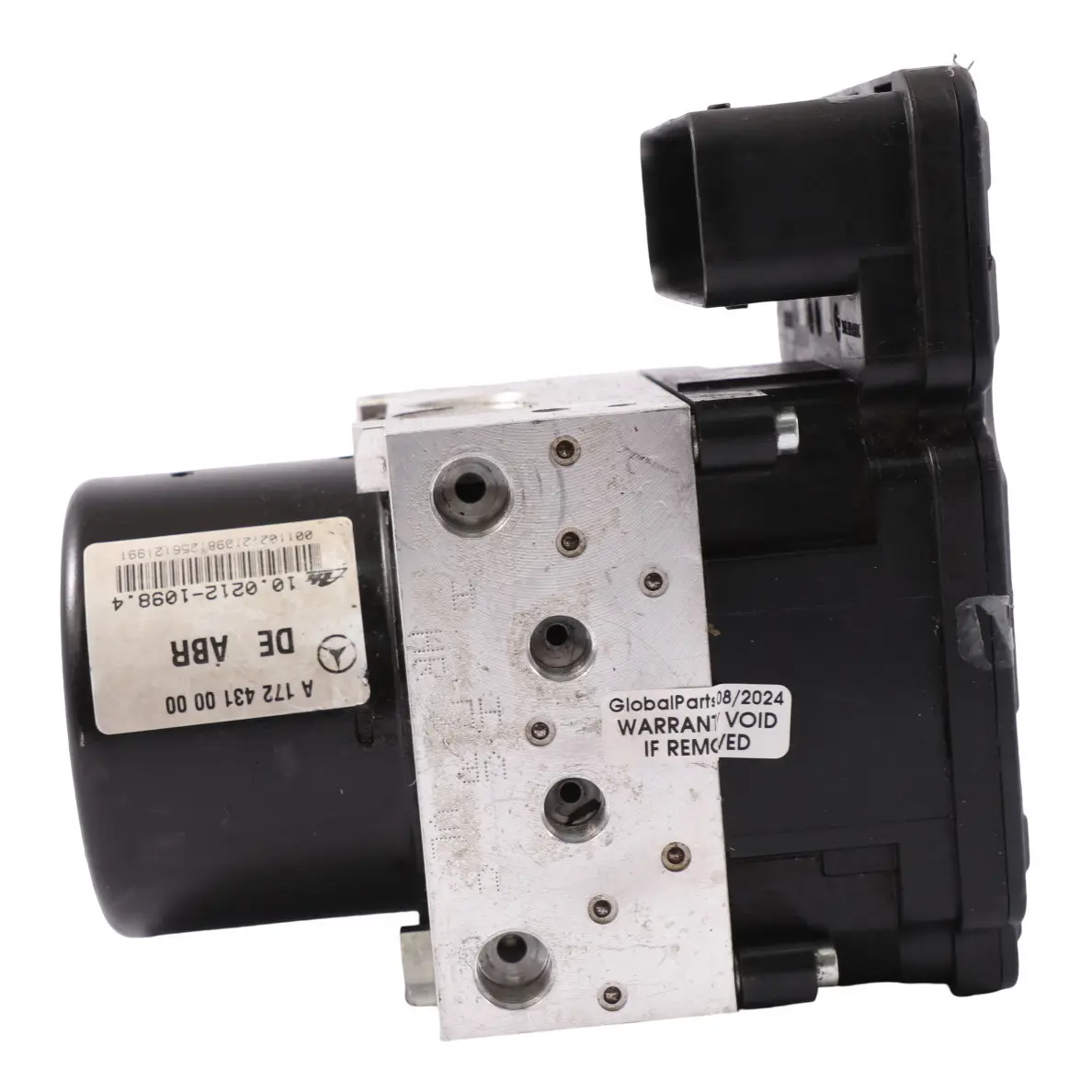
Part no. A1729014000-1
Mercedes W204 Brake Pump ABS ESP Hydraulic Braking Unit A1729014000 A1724312512
Product currently unavailable
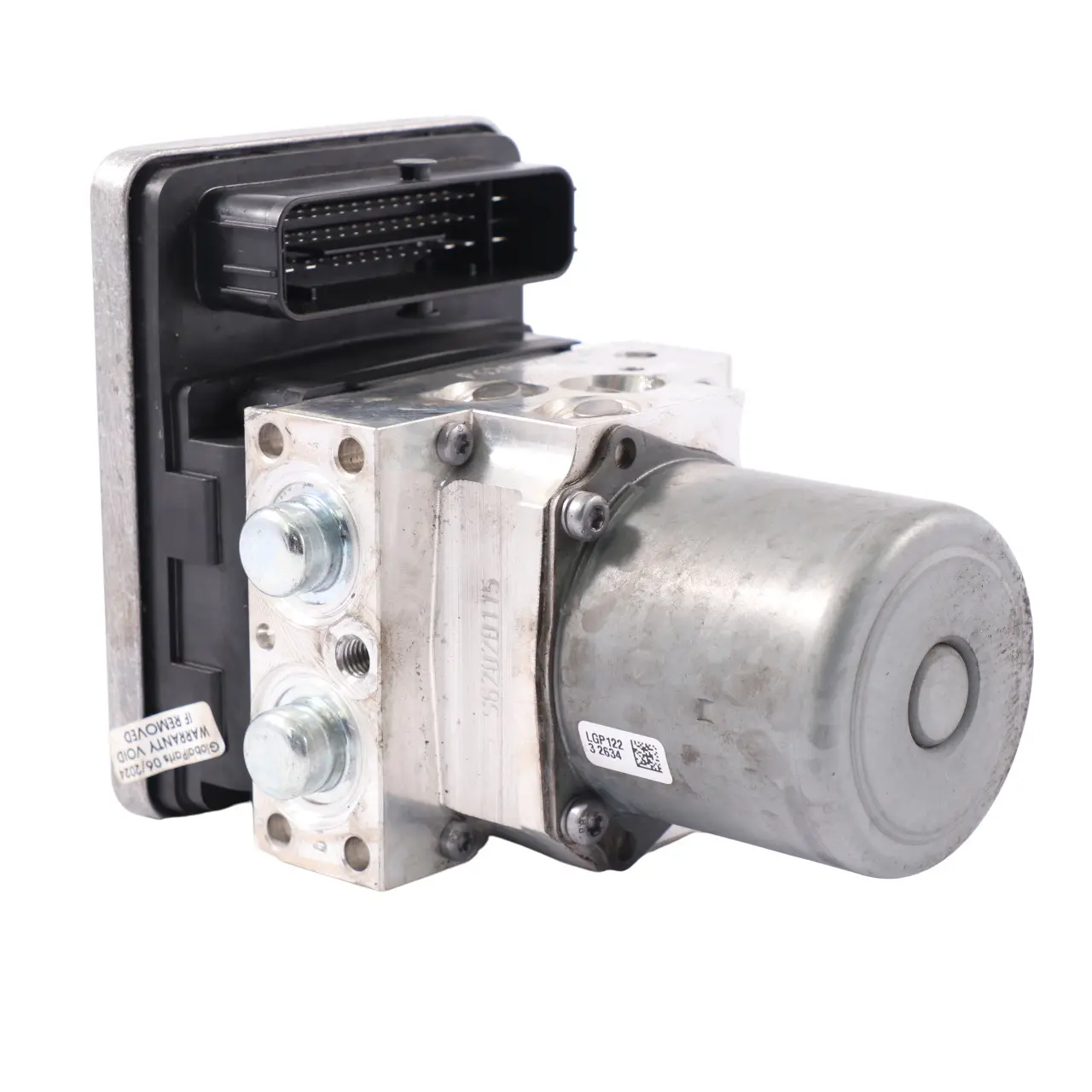
Part no. A2059003449
ABS Pump Mercedes W205 GLC X253 Hydraulic Braking Control Unit A2059003449
Product currently unavailable
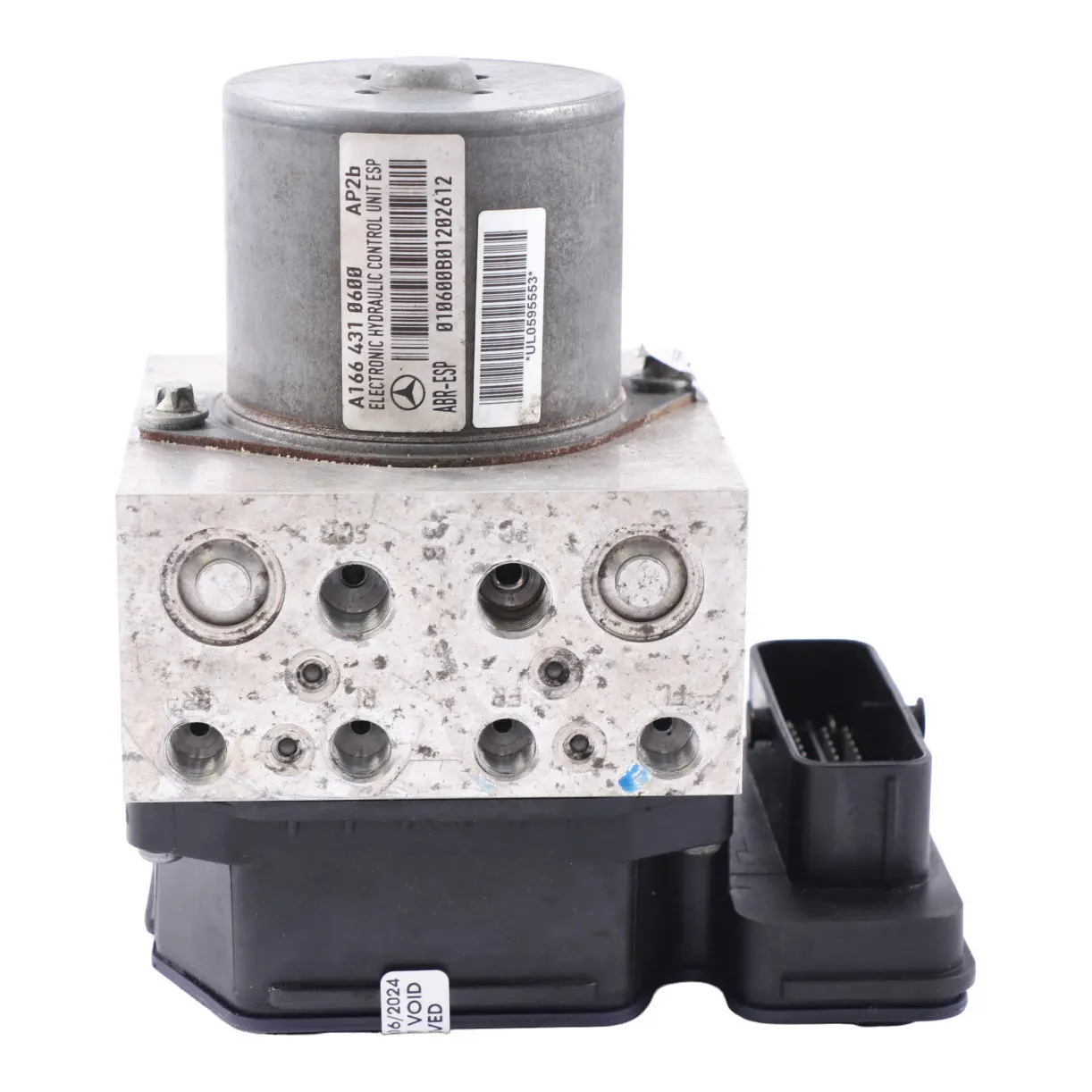
Part no. A1664310800
ABS Pump Mercedes ML W166 GLE C292 Hydraulic Braking Control Unit A1664310800
Product currently unavailable
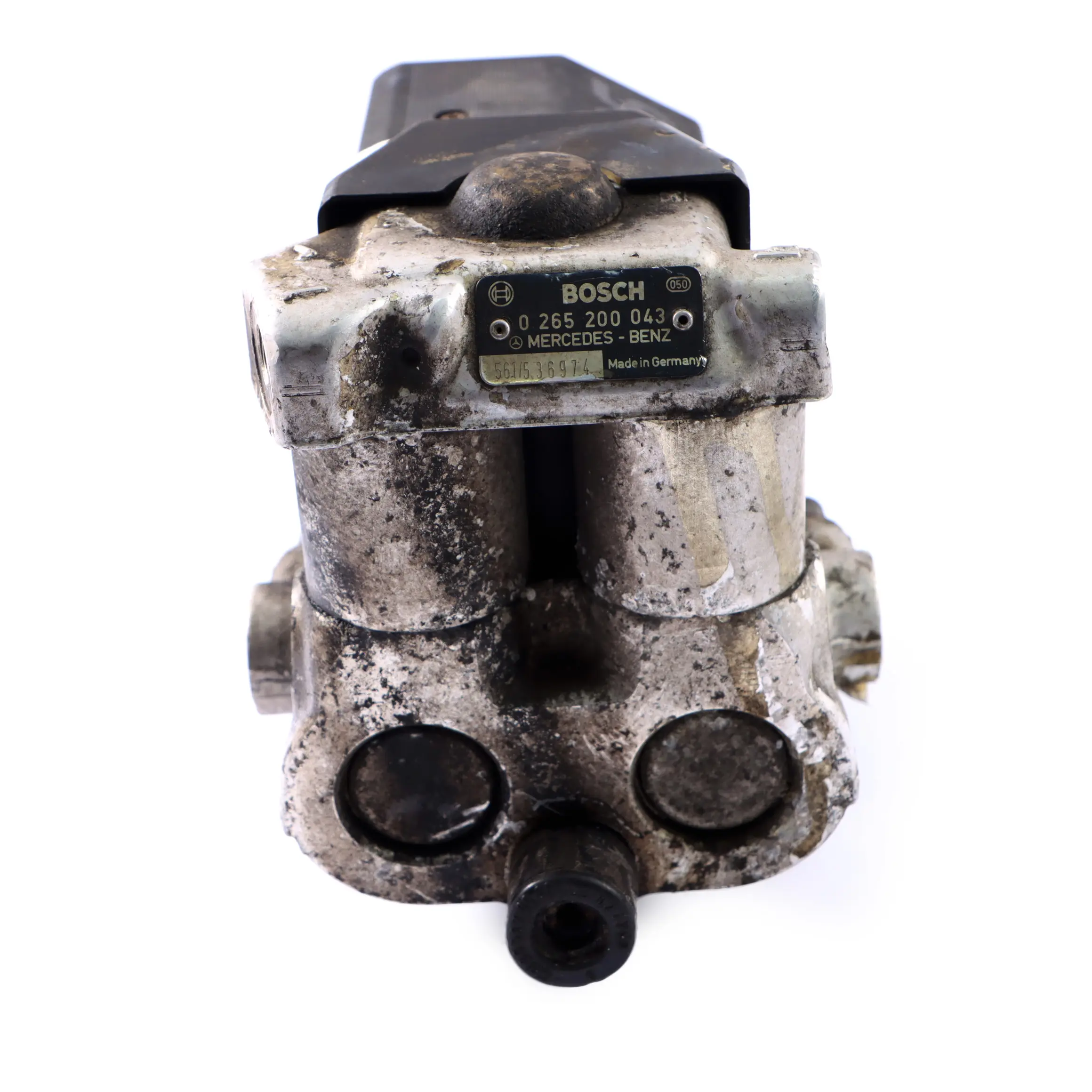
Part no. A0014318012
ABS Pump Mercedes W202 W124 R129 C140 Hydraulic Brake Pump ABS A0014318012
Product currently unavailable
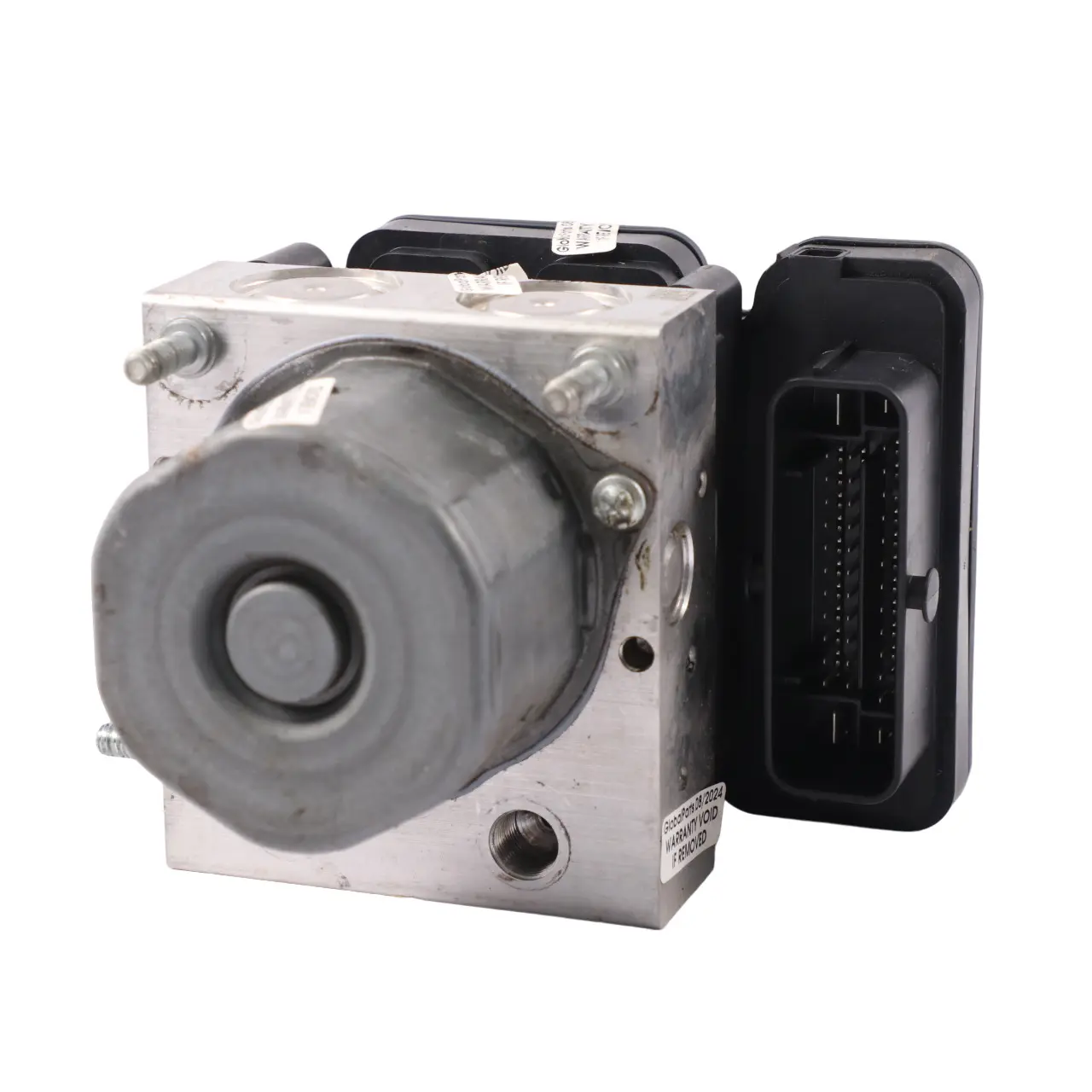
Part no. A0004314000
Mercedes GLA X156 ABS Hydraulic Brake Pump Control Module A0004314000
Product currently unavailable
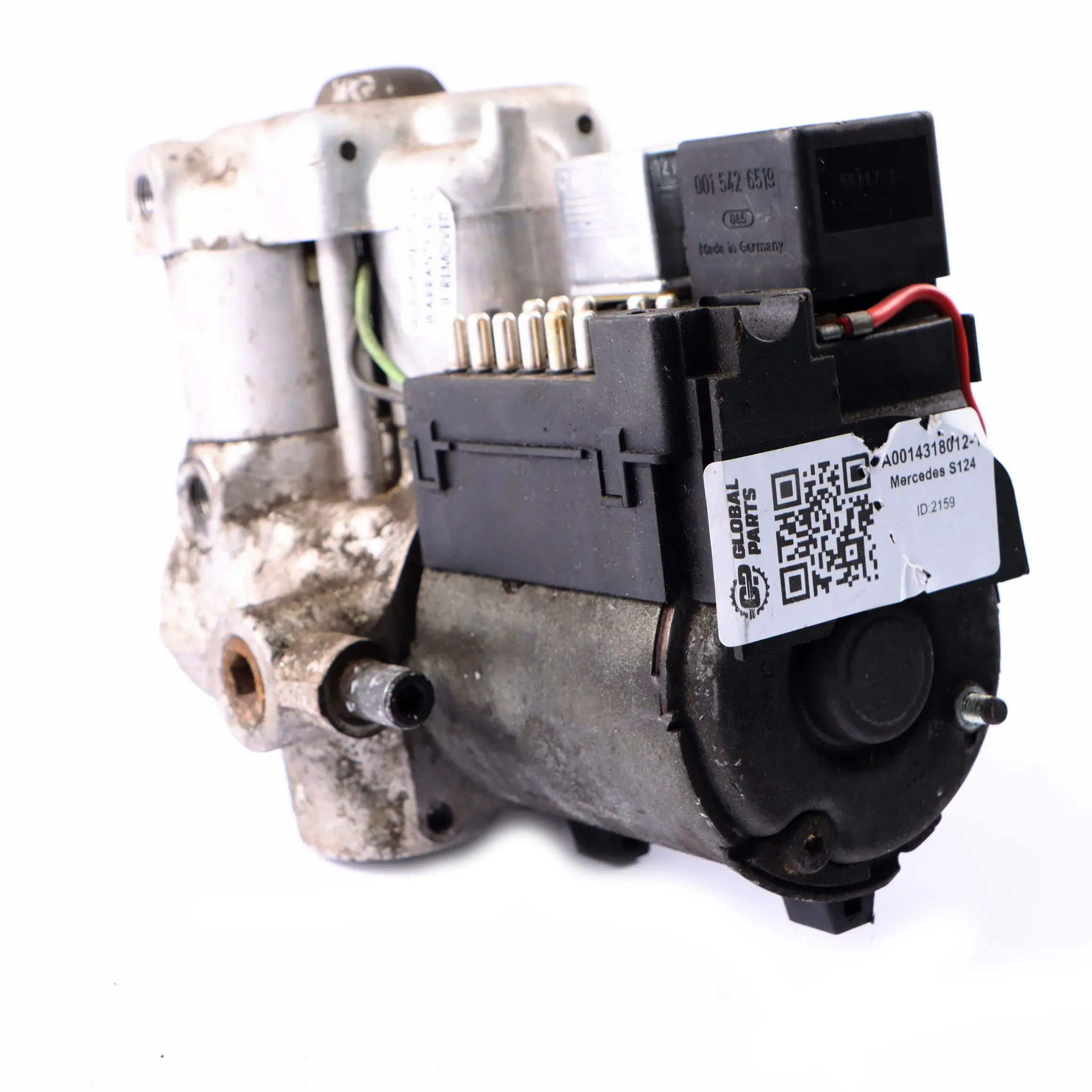
Part no. A0014318012-1
ABS Pump Mercedes W202 W124 R129 C140 Hydraulic Brake Pump ABS A0014318012
Product currently unavailable
ABS controllers for intelligent traction and safety control
Electronic controllers for safety
ABS control units (Antilock Braking System) are key components of modern braking systems that monitor and manage the operation of the ABS. They prevent wheel lock-up during braking, which increases vehicle stability and improves steerability, especially on slippery surfaces. In the Global Parts automotive store, you will find a wide selection of used car parts, including ABS control units, perfectly matched to BMW, Audi, Mercedes, Volkswagen, Mini, and other makes.
Design and operation of an ABS control unit in practice
An ABS control unit is an electronic control module (ECU – Electronic Control Unit) that processes signals from wheel speed sensors several dozen times per second. In modern vehicles, the system analyzes data at a frequency of 10 to 50 pulses per second for each wheel, and if a risk of locking is detected, it reduces or increases pressure in the hydraulic system in a fraction of a second (approx. 15–20 ms). In practice, this means that during emergency braking, ABS control units manage the operation of the pump and hydraulic valves, modulating brake fluid pressure. As a result, the driver retains the ability to steer the vehicle even under maximum brake pedal pressure. Modern ABS control units also work with ESP (Electronic Stability Program), ASR (traction control), or EBD (electronic brakeforce distribution) systems, which increases the compatibility and integration of the entire active safety system.
What functions do ABS control units perform?
ABS control units play a key role in the vehicle's braking system:
- Wheel operation monitoring – They receive signals from ABS sensors, analyzing the rotational speed of each wheel.
- Preventing wheel lock-up – In the event of sudden braking, the control unit reduces brake fluid pressure on the appropriate wheel to maintain vehicle stability.
- Braking optimization – The control unit ensures maximum brake efficiency in all road conditions.
Characteristics of ABS control units
ABS control units are electronic modules mounted near the pump or hydraulic block of the braking system. Their task is to receive signals from wheel sensors, analyze rotational speed differences, and activate pressure-regulating valves. A typical unit consists of a housing, an electrical connector, communication pins, and electronics that work with the hydraulics. In practice, the OEM number, replacement part number, and compatibility with the vehicle's equipment version determine the fitment.
Technical parameters and integration with other components
ABS control units differ in parameters depending on the system generation and vehicle manufacturer. In premium segment cars (e.g., BMW 3 Series, Audi A4, Mercedes C-Class), control units supporting 4 independent braking channels (4-sensor / 4-channel ABS) are used, allowing for individual control of each wheel.
Typical technical parameters of an ABS control unit
| Parameter | Value / Range |
|---|---|
| Supply voltage | 12 V (standard installation) |
| Number of control channels | 3 or 4 (depending on design) |
| System response time | approx. 15–20 ms |
| System integration | ESP, ASR, EBD, BAS |
In practice, this means high compatibility with the ABS pump, wheel speed sensors, hydraulic module, and the electronic stability control system. When selecting, it is important to match the control unit version to the specific system generation, which enables efficient communication within the vehicle's CAN bus.
Comparison of ABS control unit fitment variants
| Variant | What to check | Cooperating elements | Application |
|---|---|---|---|
| Control unit integrated with hydraulic block | OEM number, connector type, pin count, mounting compatibility | Pump, valves, wiring harness | Systems where the module and hydraulics form a single unit |
| Electronic module only | System generation, software version, coding after installation | Hydraulic block, CAN bus, wheel sensors | Repair without replacing the entire hydraulic assembly |
| ABS version with ESP/ASR functions | Vehicle equipment, compatibility with stability system and interchangeable numbers | Acceleration sensors, steering angle sensor, ESP module | Vehicles with advanced active safety systems |
Role of the hydraulic block and cooperation with the braking system
The ABS hydraulic block is a set of channels and solenoid valves with which the control unit works directly during braking. It is responsible for rapidly increasing, maintaining, or decreasing fluid pressure in individual circuits. If you are looking for a component such as a BMW E46 ABS pump, it is worth comparing the OEM number, plug type, and module compatibility with the system generation. From a technical point of view, it is a part that works simultaneously with electronics, hydraulics, and the vehicle's installation.
Why is it worth taking care of ABS control units?
Damage or malfunction of ABS control units can lead to braking system problems and increased road risk. Typical symptoms of failure include:
- ABS warning light illumination – May indicate communication problems between the control unit and sensors.
- ABS not working during braking – May result from a control unit failure.
- Diagnostic system errors – The onboard computer may signal an ABS module malfunction. If a replacement is needed, at Global Parts you will find suitable used car parts that will restore the full functionality of your ABS system.
Symptoms, diagnostics, and interpretation of system errors
In modern vehicles, ABS control units store Diagnostic Trouble Codes (DTCs), which can be read using an OBD2 diagnostic tester. Most often, they concern a lack of signal from a specific wheel sensor, CAN bus communication problems, or incorrect supply voltage.
Example categories of diagnostic messages
| Symptom | Possible cause | Related element |
|---|---|---|
| ABS light stays on | No signal from sensor | Wheel speed sensor |
| ABS and ESP light | CAN bus communication error | ABS/ESP control module |
| ABS works irregularly | Signal interference | Electrical installation |
Correctly matching the control unit to the VIN and equipment version increases compatibility and ensures full integration with other braking system components.
Importance of sensor signals and wiring
The ABS speed sensor is a measuring element that transmits information about the rotational speed of a specific wheel to the control unit. Based on this data, the module recognizes slippage and selects the reaction of the hydraulic valves. When choosing an element like a BMW E46 ABS pump, you should check not only the part number itself but also compatibility with the connector, wiring, and cooperation with the ABS speed sensor. In diagnostics, it is also worth considering the condition of wires, cables, and connectors, as signal interference often results from the installation itself.
How to choose the right ABS control units?
When choosing ABS control units, pay attention to several key aspects:
- Vehicle model fitment – Each ABS system has its specific technical requirements. In the Global Parts automotive store, you will find ABS control units perfectly matched to BMW, Audi, Mercedes, Volkswagen, Mini, and others.
- Technical condition – Used control units should be fully functional, without mechanical or electrical damage.
- Compatibility with the vehicle system – Ensure the control unit matches the existing ABS system in your car.
Selecting a control unit by numbers and equipment versions
ABS control units are used to control the anti-lock system and must be selected not only by car model but also by technical configuration. In practice, you should compare the OEM part number, interchangeable numbers, pin count, mounting layout, and the presence of functions such as ESP. It is also helpful to check products from the ABS and ESP system and Other ABS parts sections when the repair involves more than just the control unit. A useful supplement to your choice may be the guide Second-hand braking system: how to safely choose discs, calipers, and ABS?.
ABS control unit matching and installation procedure
Selecting an ABS control unit should take into account: system generation, hydraulic pump type, engine version, and equipment (e.g., presence of ESP). The installation procedure usually includes:
- Disconnecting the battery (12 V installation).
- Removing the control module from the hydraulic block.
- Installing the matched ABS control unit.
- Adaptation and coding in the diagnostic system.
- Test drive to verify correct system operation. In many models (e.g., Volkswagen Golf V, Audi A3 8P, BMW E90), ABS control units require coding after installation to ensure full functional fitment to the vehicle configuration.
Why is it worth choosing used ABS control units?
Used car parts, such as ABS control units, are an economical solution that allows for savings while maintaining high quality. By choosing used ABS system components, you gain:
- Lower costs – Used control units are significantly cheaper than new ones but offer equally high quality.
- Ecology – Recycling parts supports environmental protection and reduces waste.
- Wide offer – In our store, you will find used ABS control units for many car makes.
How to take care of ABS control units?
To ensure ABS control units work reliably for a long time, it is worth following a few rules:
- Regular inspections – Check the condition of the ABS system during periodic technical inspections.
- Respond to warning lights – If the ABS light comes on the dashboard, diagnose the problem as soon as possible.
- Avoid electrical system overloads – Excessive load on the vehicle's electrical system can affect the control unit's operation. Regular inspection of electrical connections, connector cleanliness, and the tightness of the pump area helps maintain stable module operation. With every replacement, it is worth comparing the position of mounting points and compatibility with the body version and equipment.
FAQ
| Question | Answer |
|---|---|
| What is the design and purpose of ABS control units? | ABS control units are electronic control modules mounted within the braking system, most often near the pump and hydraulic block. They consist of a housing, control electronics, an electrical connector, and communication pins that work with the vehicle's installation. Their purpose is to analyze signals from wheel sensors and control brake fluid pressure during braking. |
| What are ABS control units used for? | ABS control units are used to prevent wheel lock-up during emergency braking. The module compares signals from individual wheels, recognizes the risk of slippage, and controls hydraulic valves to maintain traction. In many vehicles, it also works with ESP, ASR, and electronic brakeforce distribution systems. |
| What is the design and function of the ABS hydraulic block? | The ABS hydraulic block is a part of the braking system responsible for the physical regulation of fluid pressure in wheel circuits. It contains flow channels, valves, and connections to the pump and electronic control unit. It works directly with the control module, allowing the system to react very quickly and precisely. |
| How to choose a control unit for a specific car? | It is safest to compare the OEM number, interchangeable numbers, connector type, pin count, and vehicle equipment version. The system generation, ESP presence, and compatibility with the hydraulic block also matter. In practice, it is worth verifying data by VIN and checking if the part requires subsequent coding. |
| What symptoms may indicate a problem with the ABS control unit? | Typical symptoms include an illuminated ABS light, stored communication errors, system failure during hard braking, or irregular system operation. Sometimes the cause is not the module itself, but a damaged wheel sensor, wire, or connector. Therefore, before replacing, it is worth performing diagnostics and comparing error codes with the actual state of the installation. |
| Is adaptation or coding required after installing an ABS control unit? | In many models, yes, because the control unit must be matched to the vehicle configuration and other modules. This is especially true for cars where ABS works with ESP, traction control, and the CAN bus. After installation, adaptation, error clearing, and a test drive are often performed to confirm correct system operation. |
Summary: ABS control units at the Global Parts automotive store
ABS control units are key components that ensure safety and control during braking in all road conditions. In the Global Parts offer, you will find matched solutions for cars from brands such as Audi, Mercedes, BMW, and others, taking into account the OEM number, interchangeable numbers, part condition, and compatibility with the car version. This is a practical choice for those who want to maintain the efficiency of the braking system and correctly match the element to a specific vehicle configuration. We invite you to contact us – we are here to help! For more information and interesting facts, we also invite you to visit our automotive blog.