In Land Rover cars, parts Bodywork and interiors impact everyday comfort just as much as a functioning drivetrain. A sticking rear window, a damaged door handle, or a loose seat mechanism can effectively ruin driving pleasure. A functioning original disassembled part can restore factory functions and appearance, provided it matches the specific vehicle model. For the engine, gearbox, and suspension, the condition of the working components and the cause of the failure are also important. A product category overview, with examples from both Freelander generations, shows where you can limit the scope of the repair and utilize carefully selected components. At Global Parts, you can check the availability of the selected part and consult on its fitment. Contents:
- Interior and equipment – how to restore comfort without replacing the entire cabin?
- Bodywork and covers – when is it worth maintaining the factory fit?
- Windows, lifters and locks – why is it worth checking the entire mechanism in the Freelander?
- Suspension and brakes – where does economy require particular precision?
- Engines and accessories – which Freelander has a BMW engine?
- Gearboxes and 4×4 Drive – Why Does Generation Matter?
- FAQ - Used Land Rover Parts and Repairs
Interior and equipment – how to restore comfort without replacing the entire cabin?
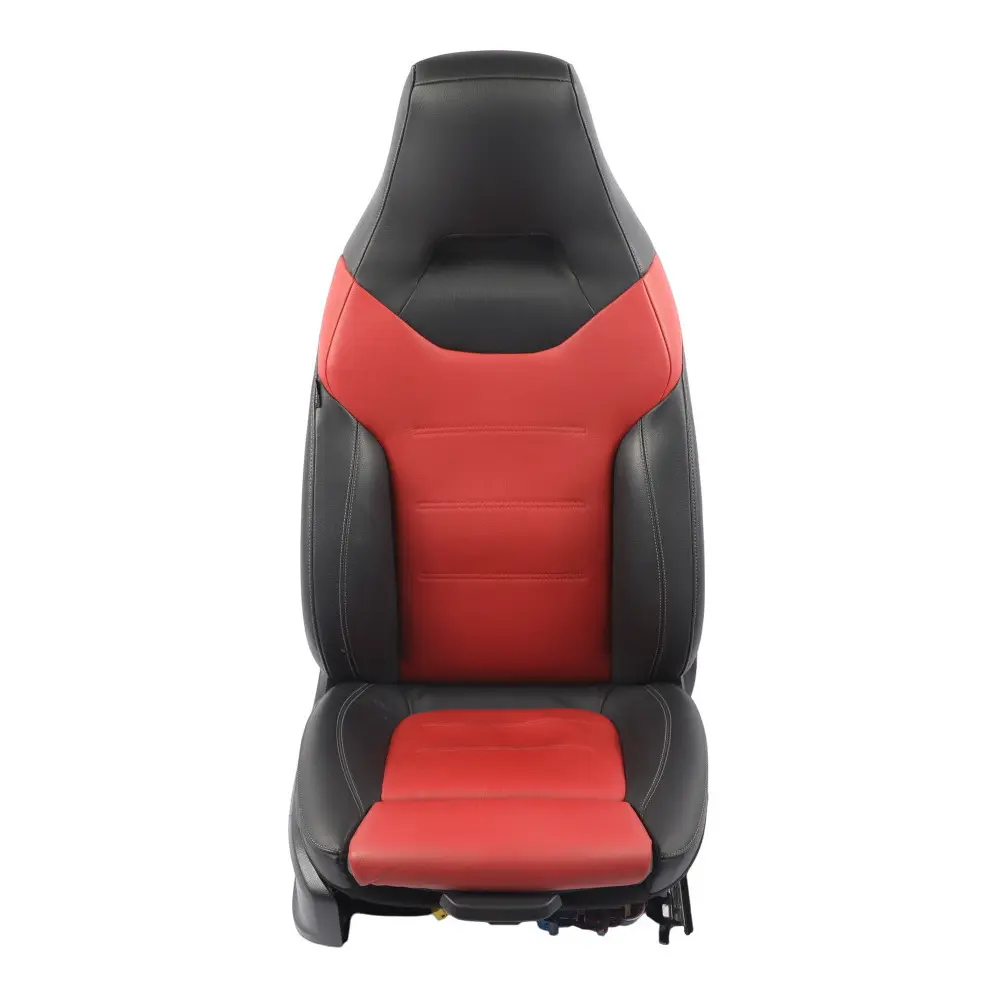
The cabin can be restored to comfort by replacing individual components: a seat, a grab handle, a panel, or a worn steering wheel rim. Genuine parts help maintain the shape, texture, and mounting methods designed for the interior. Genuine Land Rover Freelander seats are selected based on the generation, body type, and adjustment range. Before replacing the entire seat, it's worth determining whether the problem lies with the upholstery, filling, guides, or backrest adjustment mechanism. When installing a different seat, confirm compatibility of the mountings, installation, and passenger safety equipment. Similarly, the Land Rover Freelander steering wheel It requires matching buttons, electrical connections, and the factory airbag system. Such work should be performed by a specialist, and the appearance of the stitching should be assessed in conjunction with the condition of the structure. Carefully selected used Land Rover parts allow you to refresh the cabin in stages, maintaining fit and finish consistency.

Bodywork and covers – when is it worth maintaining the factory fit?
An original body part from a dismantling is worth considering if it retains its correct shape and undamaged mounting points. In this category, savings can result from reducing the work required to fit the part. Land Rover Freelander factory bumper It should match the generation, pre- or post-facelift version, and the vehicle's equipment. Locations for parking sensors, lamps, grilles, and mounting hardware are important, if available in a given model. Land Rover Freelander underbody cover must fit the mounting system and leave the required clearance for the working components. The Land Rover Freelander tailgate, on the other hand, This requires distinguishing between first- and second-generation designs and determining whether the offer includes just the cover or a component with glass, lock, and hardware. Before installation, the condition of the edges, hinges, mounting holes, and any corrosion are assessed. Even a consistent paint code doesn't rule out shade differences, so the scope of the paint work should be assessed by a body shop.
Windows, lifters and locks – why is it worth checking the entire mechanism in the Freelander?
In the first Freelander, the rear window interacts with the tailgate opening mechanism, so the fault must be addressed in conjunction with the lock and controls. This is a first-generation feature; its description should not be transferred to the Freelander II. A properly selected Land Rover Freelander window regulator It must match the specific door and model generation, and in the case of side doors, also the side of the vehicle. Land Rover Freelander Movable Rear Window In the first generation, it lowers slightly before opening the rear door to release the seal. If the drive is audible but the glass remains stationary, the cables, guides, and the connection between the mechanism and the glass should be checked. If there is no response, the power supply, wiring, and control signals should also be checked. Damaged rear door handle Land Rover Freelander may require replacement, but first, determine whether the mechanism, lock, or electrical component responsible for the unlocking signal is failing. After working on the system or disconnecting the battery in the first generation, the rear window position may need to be calibrated according to the vehicle's manual.
| Symptom | What should a workshop check? | Importance for part selection |
|---|---|---|
| I can hear the drive, but the window doesn't move | Cables, guides, glass mounting and drive connection | The fault may be with the lift mechanism and not the engine itself. |
| No reaction after using the switch | Power, Wiring, Switch and Control | The purchase of a complete lift should be based on a confirmed diagnosis |
| Problems with opening the rear doors of the Freelander I | Window position, handle, lock and opening signal | The interaction of the glass with the door mechanism must be taken into account. |
Suspension and brakes – where does economy require particular precision?
In the chassis, reasonable repair scope reduction involves replacing genuinely damaged components while maintaining functional supporting parts. However, worn joints, bushings, and friction elements require appropriate new parts. Every Land Rover Freelander control arm should be matched to the generation, axle, and mounting side. Knocking sounds over bumps require distinguishing between play in the pivot, bushing wear, and damage to another suspension component. If the design allows for replacement of a single component, the workshop will evaluate such a repair. In the case of body deformation, the entire control arm should be replaced. Land Rover Freelander Master Cylinder It is responsible for generating pressure in the brake circuits and requires particularly careful selection. A soft or drooping pedal can also be related to air in the system or a leak, so it is not a stand-alone basis for purchasing a pump. Diagnostics, replacement, and braking efficiency checks should be performed by a workshop, without considering the factory marking as proof of the used component's functionality.
Pneumatics in Discovery and Range Rovers – the compressor is part of a larger system
In Discovery and Range Rover versions equipped with air suspension, comfort also depends on the tightness of the bellows, hoses and correct height control. A body sagging while stationary may indicate an air leak that requires attention. Running the compressor longer to compensate for this loss places additional strain. Replacing the compressor without repairing the leak can lead to further failure. A working original from disassembly can be considered after confirming the compatibility of the variant and its operating parameters. The service also checks the height sensors, valves, and messages stored in the controller. After repair, they perform a leak check and the required height settings for the specific model.
Engines and accessories – which Freelander has a BMW engine?
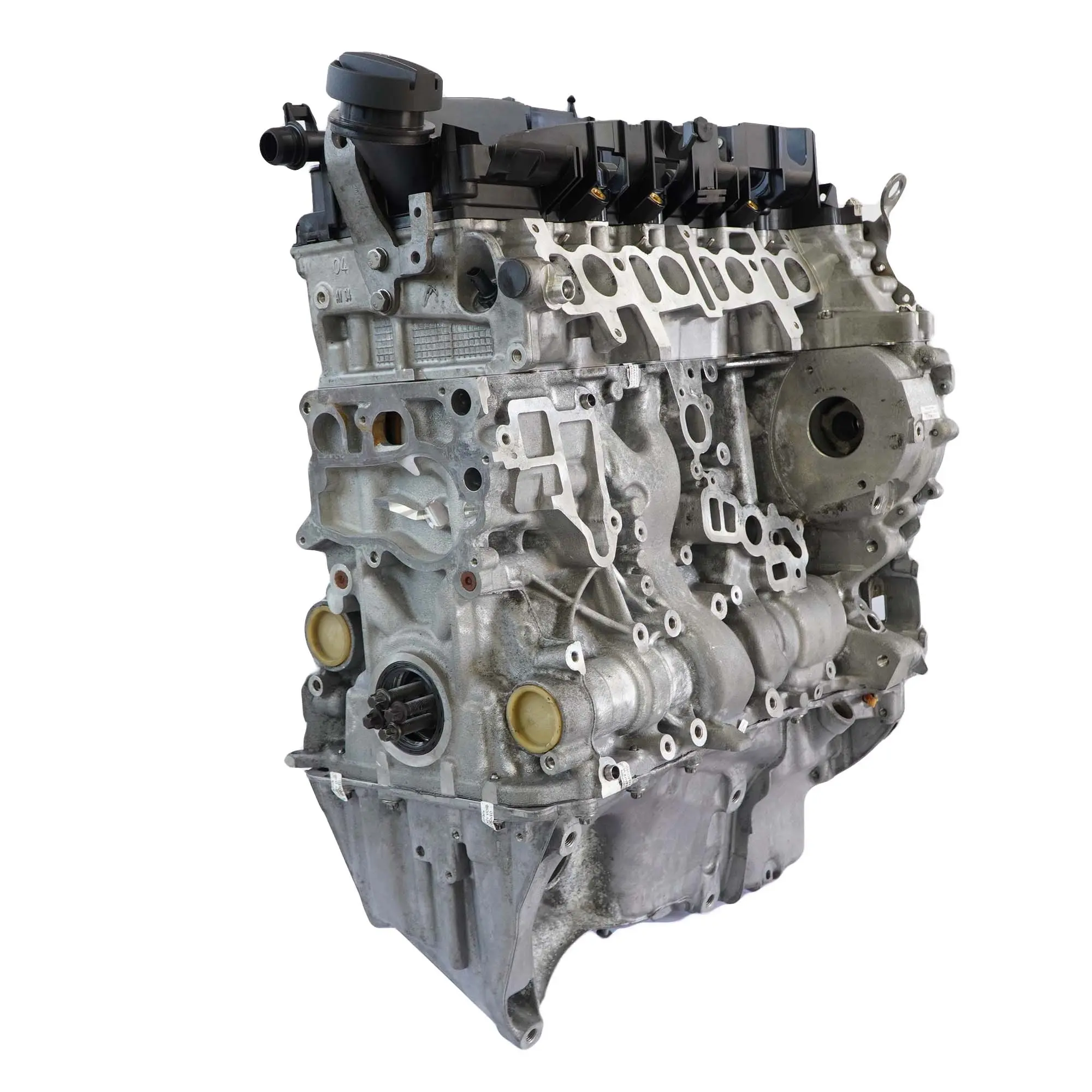
The BMW 2.0 TD4 diesel engine from the M47R family was featured in the first-generation Freelander. The second generation uses a different 2.2-liter diesel engine, belonging to the DW12 family and derived from Ford's collaboration with PSA. Complete Land Rover Freelander engine The selection should be based on the generation, engine code, and vehicle configuration. The TD4 designation alone is not sufficient, and the first Freelanders with the earlier 2.0 Di diesel engine also lack the BMW M47R engine. In the case of Land Rover, engine repair should include determining whether the damage is internal or to the replaceable components. When considering a dismantled engine, available information on its performance, the extent of completeness, and the compatibility of the components carried over from the old engine are important. The workshop should also determine the cause of the original failure, especially if overheating or lubrication problems occurred. Replacing the engine without addressing the cooling, power, or lubrication faults could expose the next engine to similar damage.
Starters – when is repairing one component enough?
A working Land Rover Freelander starter motor from a disassembly can be the solution if diagnosis confirms a starter motor failure and the correct version has been identified. Slow cranking or a single click during a start attempt do not necessarily indicate a faulty component. An auto electrician will check the battery condition, power cables, and ground connections. Measuring voltage drops under load helps distinguish an installation problem from a starter motor fault. When selecting parts, the mounting, pinion drive design, and the application specified in the catalog are important. Also, consider the Start/Stop function, if the vehicle has it. A starter from a similar unit from another model should not be considered compatible without verifying the markings. Installation should include checking the compatibility with the flywheel ring gear or drive plate. Correcting power supply problems protects the installed component from overload and subsequent starting difficulties.
Gearboxes and 4×4 Drive – Why Does Generation Matter?
The Freelander I and Freelander II have different drivetrain solutions, and the second generation also featured a front-wheel drive variant. Therefore, choosing a used unit must consider more than just the model name and fuel type. A used Land Rover Freelander gearbox should match the transmission code, engine, and the correct control unit version. Before purchasing, the workshop will determine whether the problem is caused by the gearbox interior, clutch, control, or drive unit mounting. A cracked Land Rover Freelander gearbox mount can transmit vibrations into the cabin and intensify impacts when load changes. In this case, repairing the mount does not automatically require replacing the gearbox. It's worth considering the original unit from the dismantling after confirming its condition, compatibility, and the scope of necessary assembly work. Durability is also determined by the correct oil, tightness, and repair of problems in the mating components.
Does the Freelander have a reduction gear and what are the differences between its gearboxes?
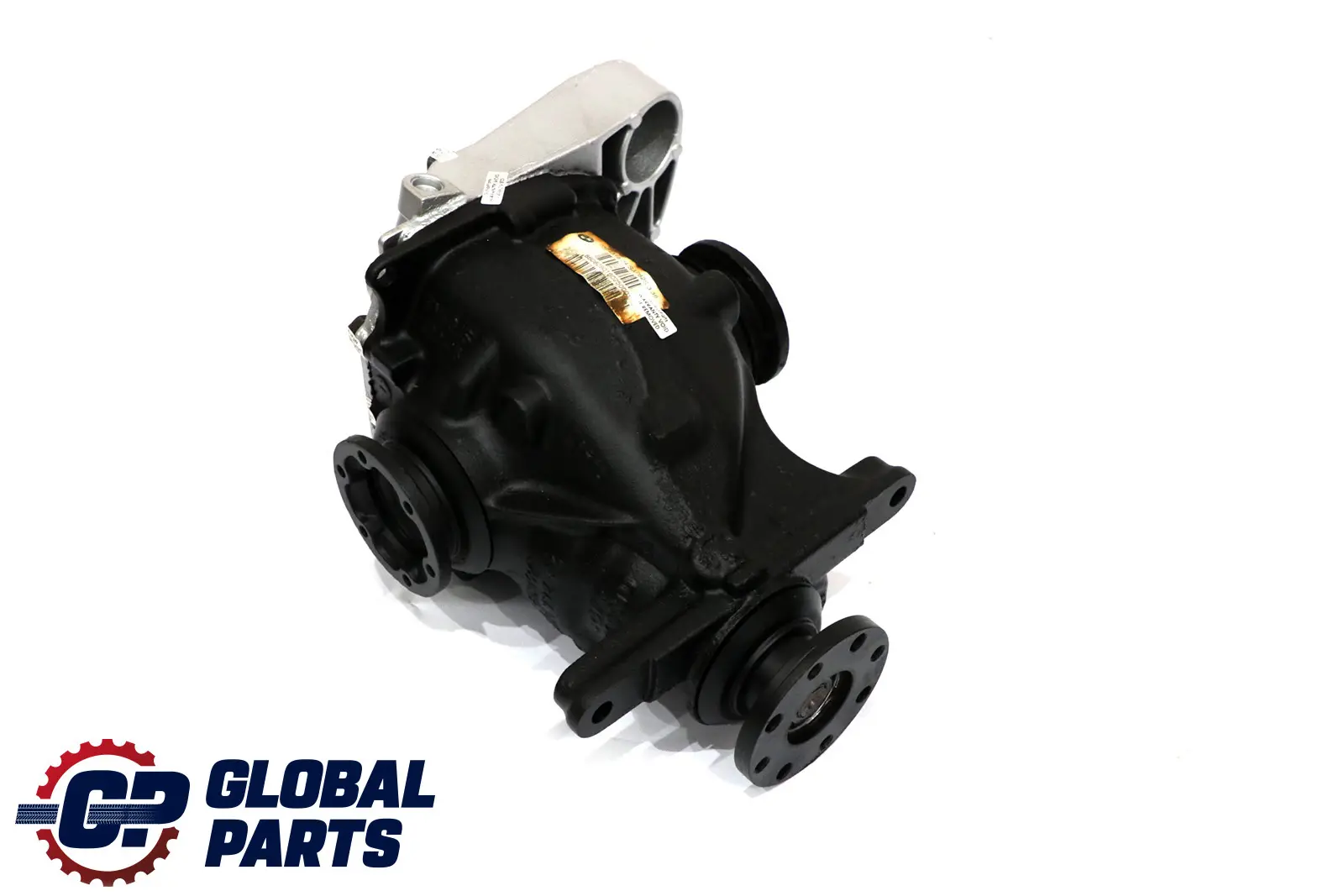
The Freelander I and Freelander II do not have an off-road low-range selector. In the first generation, the IRD (Intermediate Reduction Drive) transmission works with a VCU (Viscous Coupling Unit) in the rear-axle drive system. The IRD also covers the front axle differential, so its failures must be distinguished from those of the rear transmission. A used Land Rover Freelander differential must have the correct gear ratio, mountings, and connections to the driveshafts. In the second generation, 4x4 models, a PTU (Power Transmission Unit) and an electronically controlled Haldex clutch are used. The eD4 variant is front-wheel drive and does not use this type of torque transfer system to the rear axle. Any whining or vibrations require inspection of the shaft, supports, and bearings as well, as a similar symptom can stem from various sources. In the first Freelander, when repairing the transmission, it is also important to evaluate the operation of the viscous coupling. Determining the actual faulty component can help avoid replacing several functioning components.
| Example variant | Diesel unit | Drive solution |
|---|---|---|
| Freelander I TD4 | 2.0 M47R of BMW origin | Two-axle drive with IRD gearbox and VCU viscous clutch |
| Freelander II TD4 or SD4 4×4 | 2.2 from the DW12 family | PTU bevel gear and electronically controlled Haldex clutch on the rear drive |
| Freelander II eD4 | 2.2 from the DW12 family | Front-wheel drive |

FAQ - Used Land Rover Parts and Repairs
When selecting components, trade names, generational differences, and imprecise definitions of the repair scope cause the most confusion. The basis for ordering should be the part designation determined by the workshop or the manufacturer's catalog. The VIN helps connect them to the vehicle's factory configuration. In a modified car, the equipment actually installed should also be included. The offer description should clearly specify the completeness of the component being sold. This allows for planning installation, including the necessary seals, fasteners, and adjustments.
| QUESTION | ANSWER |
|---|---|
| What does OEM mean for Land Rover parts? | OEM stands for Original Equipment Manufacturer. In aftermarket parts listings, this term often refers to factory components whose origin and use are confirmed by markings and catalog information. |
| What is the IRD gearbox in the Freelander I? | IRD stands for Intermediate Reduction Drive, a drivetrain unit that incorporates the front axle differential. It works with the rear-wheel drive system but is not a low-range transmission with a selectable low-range off-road range. |
| What is a VCU viscous clutch? | This clutch responds to the difference in rotational speed between the mating parts. In the Freelander I, it helps transfer torque to the rear axle; it should not be confused with the electronically controlled Haldex system in the 4x4 versions of the Freelander II. |
| Does every Freelander TD4 have a BMW engine? | No. The BMW 2.0 M47R unit applies to the Freelander I TD4. The Freelander II with the 2.2 diesel uses a different engine family, so the TD4 designation is not sufficient to match the part. |
| Does the Freelander have an off-road reduction gear? | No. Neither generation has a selectable Low range. The transmissions in these models should not be confused with a dual-range transfer case. |
| Which used Land Rover parts are worth considering? | This includes functional interior and body components, window mechanisms, accessories, and verified drivetrain components. For wear-and-tear components and parts affecting safety, the scope of repair should be determined by a mechanic. |
| How do I check if a part fits my specific Land Rover? | Compare the part number and approved replacements with the configuration determined by the VIN. Generation, production date, engine, transmission, and equipment are also important; Global Parts can consult on fitment and check parts availability. |