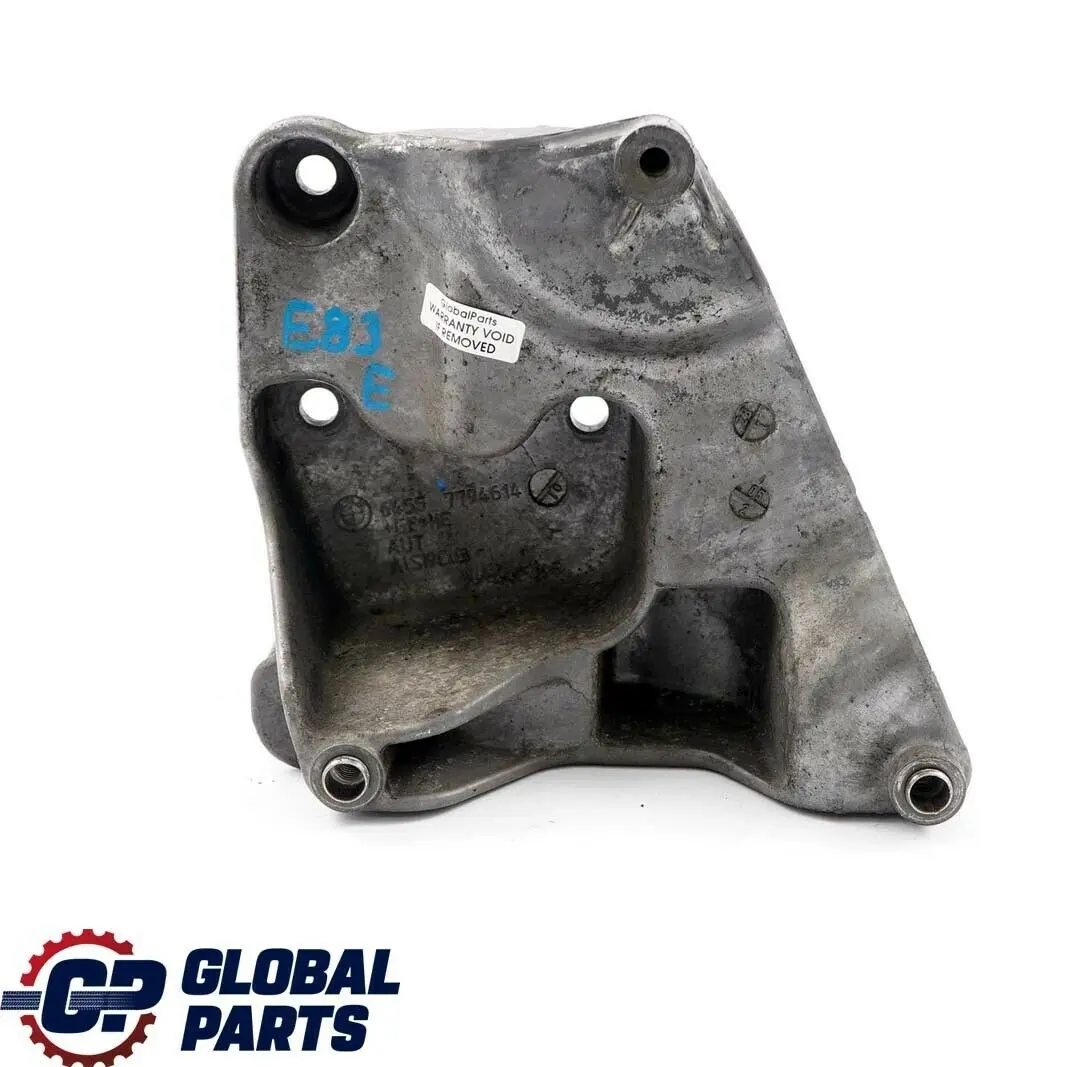
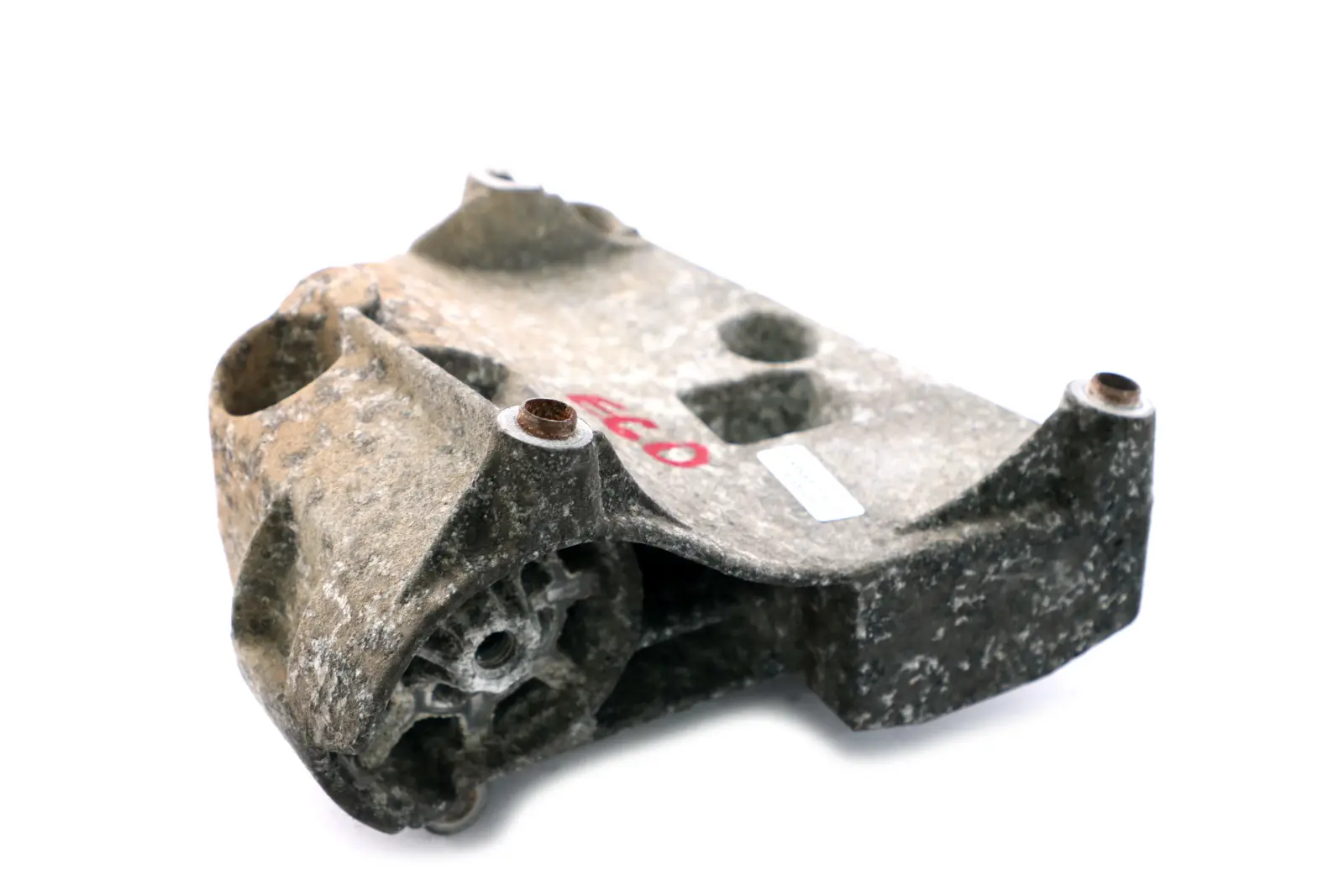
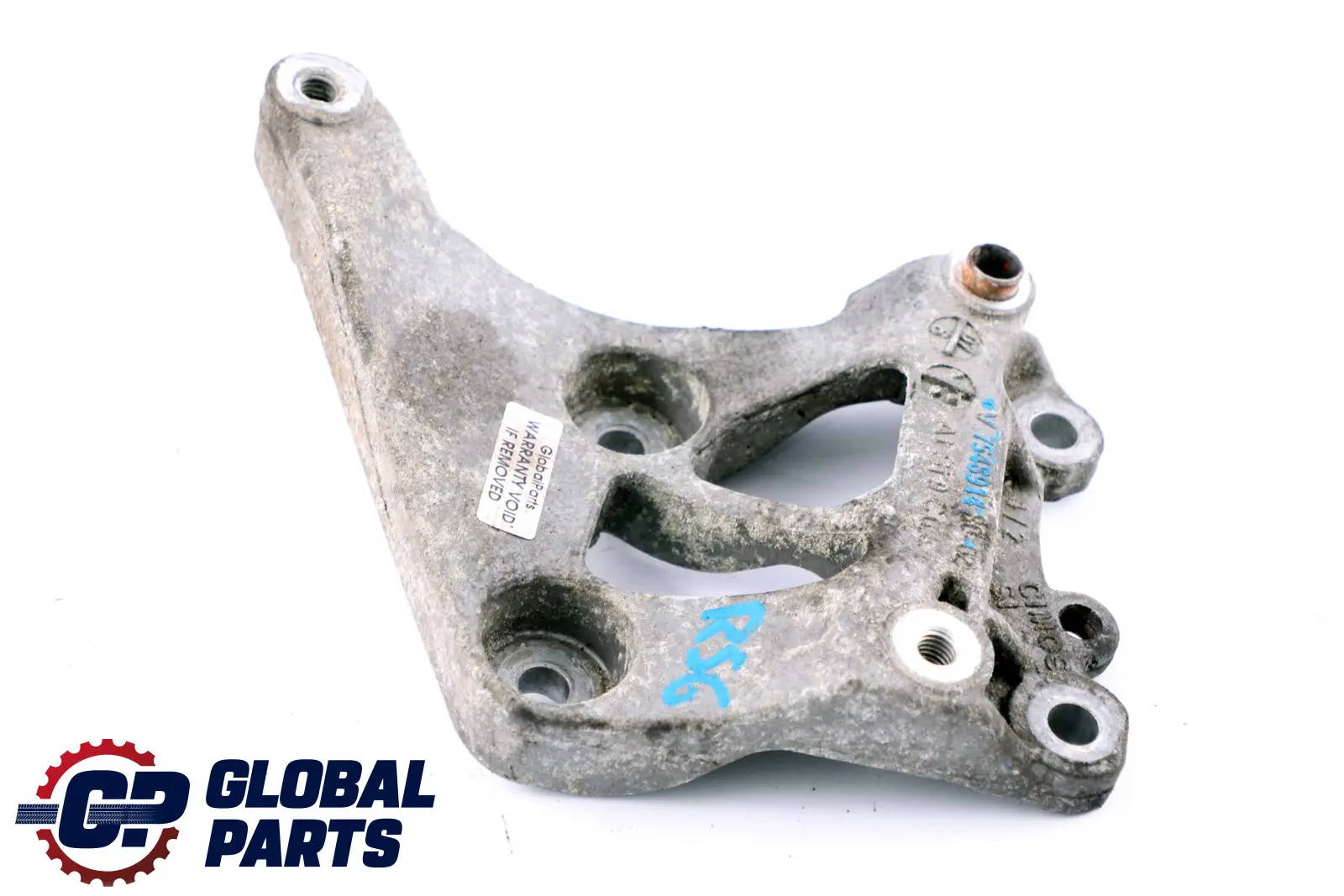
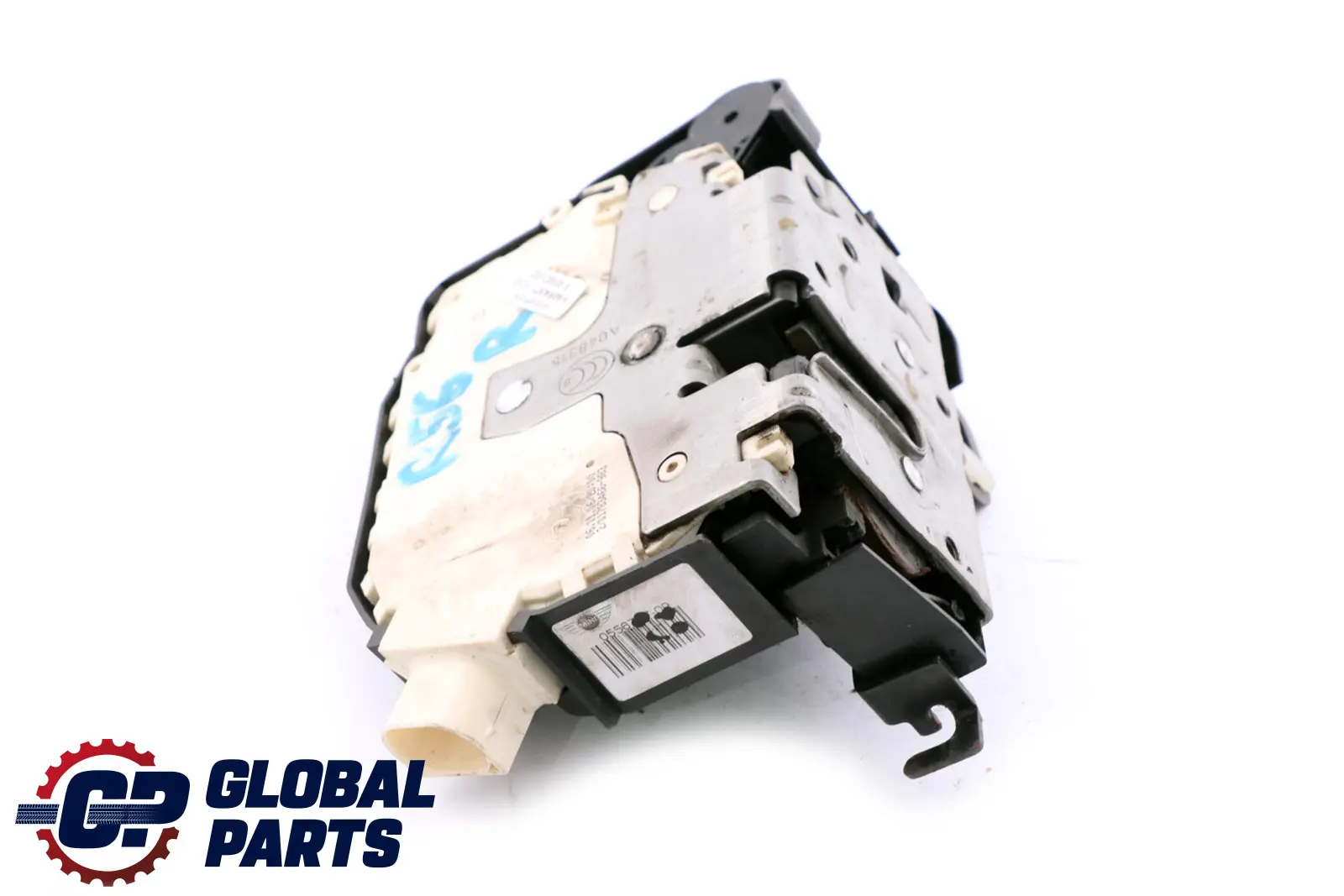
In a garage project, used parts should have a specific purpose: to restore the functionality of a car that will still be used daily. Such a "daily" car needs predictable operation first and foremost, and only then spectacular additions. Therefore, it's worth dividing the restoration into closed stages, instead of disassembling the interior, drivetrain, and suspension all at once. Proven used car parts They can help preserve the vehicle's original factory character, provided the compatibility and condition of each component is confirmed. At Global Parts, you can review the offer and consult on the compatibility of parts with your specific vehicle. A well-prepared plan separates the work that can be performed in the garage from those requiring diagnostics, specialized tools, and workshop inspections. Contents
- Where to start rebuilding your car for everyday driving?
- Original from disassembly: how to confirm the compatibility and condition of the part?
- Can you repair your car yourself using used car parts?
- Leaks and Power Steering: Fixing the Cause Instead of Test-Replacement
- Disassembled Electronics: Why Isn't a Matching Connector Enough?
- Tuning with used parts – is it possible?
- How do I complete the repair phase before the car is back in daily driving?
- FAQ - Garage car restoration with used parts

Where to start rebuilding your car for everyday driving?
The first step should be to review the car's condition and classify faults according to their severity, rather than preparing a list of attractive offers. In a project intended for everyday driving, the performance of basic systems should precede visual improvements. Initially, it's worth discussing with the workshop which problems require repair before further use, and which can be scheduled for the next stage. A separate group of problems comprises faults that immobilize the vehicle or impede starting, charging, cooling, and daily maintenance. Only after these come worn interior components, minor bodywork damage, and styling changes. For each job, it's a good idea to prepare a list of necessary parts, assembly materials, and final inspections. Before disassembly, it's also important to know whether the repair can be completed with available tools or whether it requires handing the vehicle over to a specialist. If the scope of work requires the vehicle to be removed from service, it's worth arranging alternative transport in advance, rather than making daily tasks dependent on the success of the initial repair attempt. A sample workflow helps keep the project on track and helps avoid confusing necessary repairs with optional upgrades.
| Project stage | Sample range | Condition for moving on |
|---|---|---|
| Security and baseline | Assessment of body structure, brakes, steering, wheels and suspension | Defects affecting safe operation have been removed and checked by a competent specialist. |
| Reliability and daily service | Elimination of leaks, starting problems, cooling problems and electrical installation problems | The repaired systems are working properly and the cause of the problem has been verified. |
| Appearance and equipment | Air vents, covers, body details and matching styling elements | The parts are properly attached and the changes do not interfere with the operation of the car. |
Original from disassembly: how to confirm the compatibility and condition of the part?
OEM stands for Original Equipment Manufacturer. However, when purchasing a disassembled component, its factory origin should be assessed separately from its wear and tear and inspection results. Searching for parts by VIN should be supplemented by reading the full designation of the component installed in the vehicle. Parts catalogs use both the vehicle identification and reference numbers and version information, so a similar appearance should not replace such a comparison. If a car has already had an engine replacement or other equipment modifications, the factory configuration alone does not describe the subsequent modifications. Therefore, before purchasing, it is important to confirm the actual use of the component, not just its compatibility with the model listed in the advertisement. The description of a specific unit should explain the kit's contents, any damage found, and the inspection procedure. Remanufacturing, however, is a separate process that includes repair or restoration of functionality and testing, not just another term for cleaning a used part.
Can you repair your car yourself using used car parts?
Yes, the owner can perform some of the work themselves if they have the appropriate skills, documentation, and tools. The limit is determined by the nature of the repair and the ability to verify its results, not by whether the installed part is new or used. When working under a vehicle, don't rely solely on a jack: you need adequate supports, a stable base, and securing the vehicle in accordance with safe lifting practices. The HSE also emphasizes the importance of using appropriate support points and equipment with adequate load-bearing capacity. Components such as the steering knuckle and wheel hub They require not only adjustment, but also condition assessment and proper installation techniques. MOOG indicates deformation of the steering knuckle, damage to its mounting, or improper mounting of the kingpin as grounds for replacing the damaged component. The presence of a hub and bearing in a purchased set does not constitute proof of their functionality. Repairs to the steering system, brakes, and wheel guide components should be referred to a specialist if the owner lacks the necessary training to properly perform and verify the entire work.
Small interior elements as a sensible first step
A good start to a garage project is finishing elements where you can clearly define the scope of disassembly and check the result without interfering with the safety systems. Cracked fuel filler flap This can be a separate task, as long as the repair involves an external component and its mounting, rather than interfering with the fuel system. Before disassembly, it's worth photographing the position of the hinge, latches, and closing elements. A similar example in the interior is the Audi A3 8P air vents, whose damage doesn't necessarily mean replacing the entire dashboard. The vent is available as a separate part, marked 8P0820901C, allowing you to search for a specific component rather than a larger assembly. The part number should also be compared with the part needed for your specific vehicle. Before installation, it's worth checking the latches, the movement of the air vent blades, and the completeness of the adjustment mechanism. This step ends only when the component is stable and maintains all intended functions. Color and texture matching should be assessed separately from the compatibility of the mounting hardware, so that a technically correct replacement doesn't leave a random set of finishes.
Leaks and Power Steering: Fixing the Cause Instead of Test-Replacement
The biggest pitfall in mechanical repairs is ordering a component that shows a symptom without identifying the source of the problem. Oil on the housing or noise around the pump aren't a complete diagnosis. If the replacement seal is damaged, purchasing a new housing should not replace a proper repair. A used housing is only worthwhile after a workshop confirms the damage to the existing component and the compatibility of the selected factory replacement. When servicing the N55 engine, before removing the housing, the requirements for preparing the lubrication system for restart must also be considered. BMW specifies in the service bulletin the need to pre-fill the pump and circuit after certain repairs that interrupt the oil circulation, including filter housing removal; the proper procedure should be followed by a mechanic.
Why might just replacing the power steering pump not be enough?
The dismantled component should be placed in the prepared system and not operated in conditions that damaged the previous part. Noisy power steering pump requires an assessment of the entire hydraulic circuit. For a belt-driven pump, diagnostics also include the condition and voltage of the drive. Then, the fluid level, condition, and any leaks are checked. Contamination and metallic particles may indicate a problem requiring more extensive system preparation. HELLA recommends inspecting the circuit and cleaning or flushing it if necessary. After replacement, the correct fluid, bleeding, and checking for leaks are essential. The scope of these activities should be determined before purchase to avoid having to start assembling the materials after the vehicle has been disassembled. Hydraulic power steering service should be performed by a mechanic according to the procedure specified for the specific system.
Disassembled Electronics: Why Isn't a Matching Connector Enough?
In electronics, what matters is build quality, compatibility with the vehicle's equipment, and the ability to start correctly. The mere presence of an error in the controller's memory does not necessarily mean that the controller needs to be replaced. In the BMW F30 rear electronic module, the REM rear electronic module, handles rear lighting functions, among other things. Before purchasing, determine the correct version and the required configuration range, rather than assuming that any module with a similar housing will be ready to operate after being connected. Similarly, the gearbox controller It shouldn't be automatically considered faulty just because the transmission has entered limp mode. HELLA points out that this behavior can also be caused by a problem with the RPM sensor or its installation. Therefore, the workshop should first verify the power supply, connections, and relevant signals, and then determine the installation conditions for the specific part. It's best to approve the purchase of a used module only after knowing who will perform the required configuration steps and how proper operation will be verified.
Tuning with used parts – is it possible?
Yes, proven parts from disassembly can be used to modify the car's styling and add extra equipment. However, in an everyday car, it's best to restore its functionality first, and only then choose parts that truly fit its configuration. An example of a modification that retains the factory BMW character are the 18-inch styling 193 rims, but the design name alone doesn't guarantee compatibility with every model. Before choosing a set, you should check the full rim specifications, proper mounting, and clearance for brakes and suspension. Used rims require a condition inspection, and cracks and deformations should not be considered mere cosmetic defects. If the car has a direct pressure monitoring system, pressure sensors They must work with the vehicle and be suitable for installation on the selected rims. In a project for everyday driving, it's more prudent to choose a set with proven performance than to fit a car to randomly purchased wheels. However, changes to power, brakes, or drivetrain configuration require a more comprehensive plan and an expert assessment of the associated systems, not just the installation of a component from a more powerful version.
How do I complete the repair phase before the car is back in daily driving?
The stage should be considered complete after the repair has been inspected, not after the last part has been screwed in. It's worth establishing acceptance criteria before disassembly, as they help prepare the entire scope of work. Before installation, compare the delivered unit with the order, markings, and vehicle requirements. Disposable and worn parts should be replaced according to the documentation, regardless of whether the main component was disassembled. It's a good idea to keep photos of the markings, proof of purchase, and a note of the work performed to avoid rehashing the repair history later. The final inspection should focus on the actual fault: leak tightness after repairing a leak, function after replacing electronics, or the proper mounting of an interior component. If measurements, adjustments, or a road test are required, they should be performed by someone qualified to safely assess the system. It's best to begin the next stage of the project only after confirming that the previous stage left no new symptoms or unfinished work. A simple stage card helps separate parts purchase from repair completion.
| Checkpoint | What is worth writing down before you start? | What to confirm at the end? |
|---|---|---|
| Fault detected | Symptom and diagnostic result justifying repair | The cause of the problem has been removed, not just temporarily masked. |
| Selected component | Designation, version and contents of the set | A compatible and approved copy was installed. |
| Materials and equipment | Necessary seals, fluids, fasteners and tools | All steps required by the proper procedure have been completed. |
| Operation control | How to check the effect and who is responsible | The system being repaired passed the agreed inspection. |
| Project documentation | Photos, order number and scope of the order | The replacement history is clear the next time the car is serviced. |

FAQ - Garage car restoration with used parts
When designing a garage, it is important to distinguish between the origin of the part, its current condition, and the scope of work required for installation. An original component doesn't become a remanufactured part simply because it's from the factory. A matching marking doesn't replace inspection of the original. A simple trim replacement doesn't require the same expertise as a steering repair. Changing the appearance doesn't necessarily mean altering the engine or suspension. The answers below help sort out these differences before beginning the next stage of the project.
| QUESTION | ANSWER |
|---|---|
| What does "daily" mean in the automotive industry? | This is a colloquial term for a car used daily, for example, for commuting and general duties. In such a design, efficiency and the ability to use the car regularly should precede optional modifications. |
| What does OEM mean? | OEM stands for Original Equipment Manufacturer. In the case of dismantled parts, factory origin does not automatically confirm the current functionality of a specific unit. |
| What is the difference between a used and a remanufactured part? | A used part has been previously used. A remanufactured part has undergone an additional restoration process, the scope of which, including the components replaced and the tests performed, should be confirmed before purchase. |
| Can you repair your car yourself using used car parts? | Yes, as long as the scope of work meets the owner's skills, documentation, and equipment. Safety-critical repairs require proper inspection, and working under a vehicle cannot rely solely on the jack. |
| Tuning with used parts – is it possible? | Yes, for example, by installing compatible styling elements or factory rims. Confirmation of application, condition assessment, and proper fitment are necessary; a larger or sportier element doesn't automatically fit every car. |
| Is the VIN number alone sufficient to select parts? | While this is an important starting point, it's also worth comparing the current component's designation and its workmanship. This is especially important if the car has been previously modified. |
| How to check what the description "part checked" means? | It's important to determine what activities were performed: visual inspection, functional test, or on-site testing. It's also worth asking about any defects found and the scope of the inspection, rather than treating the term itself as a description of the technical condition. |