




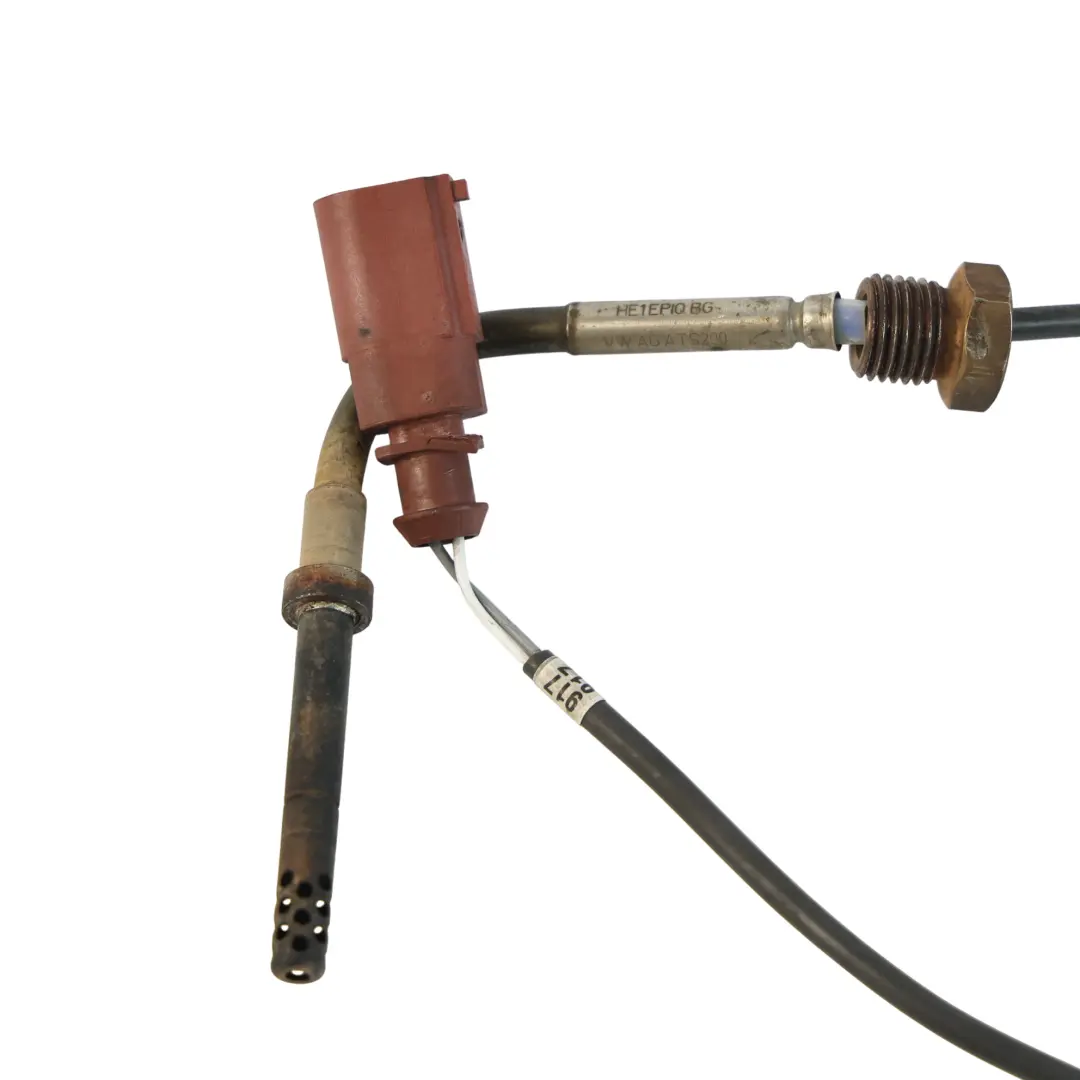
Out of Stock
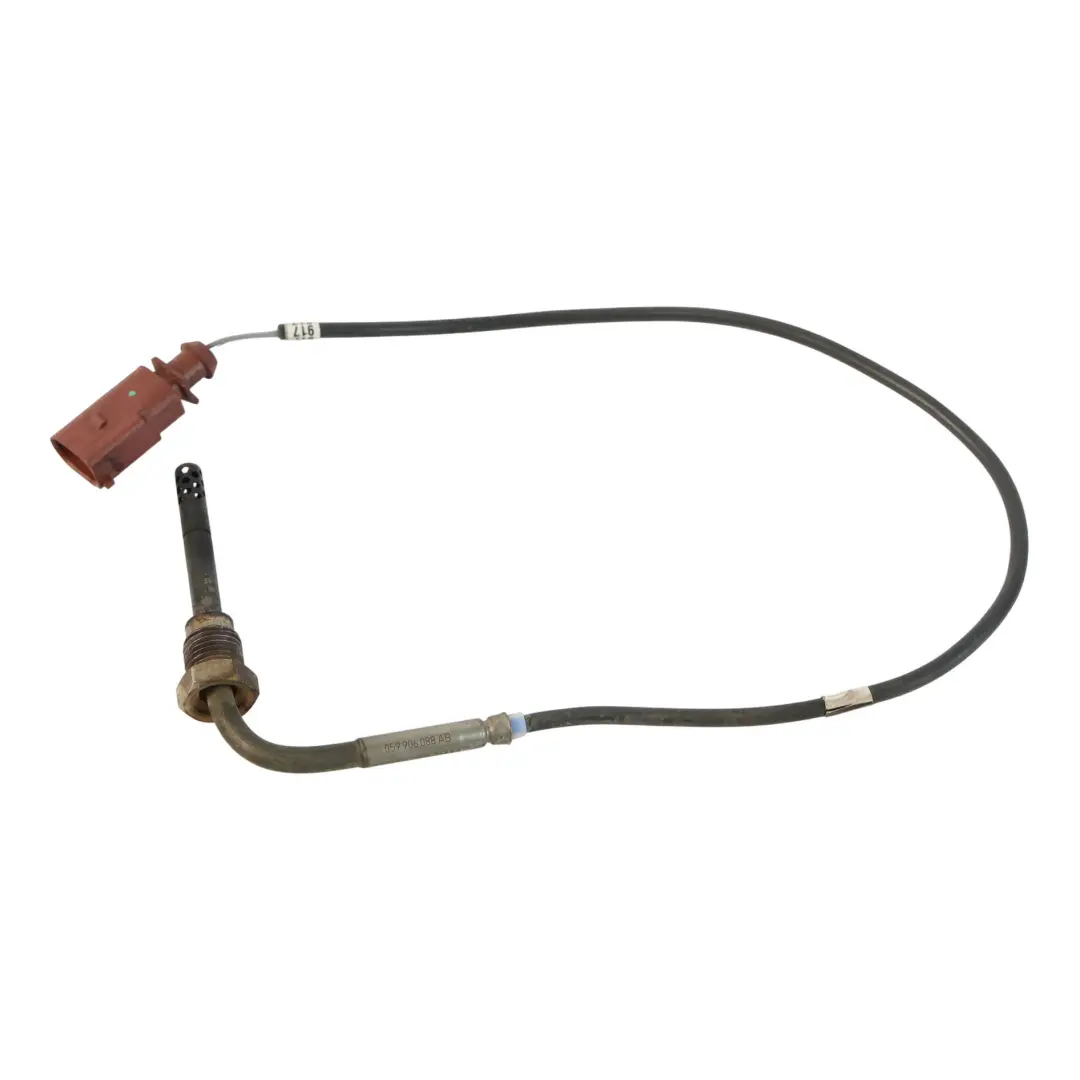
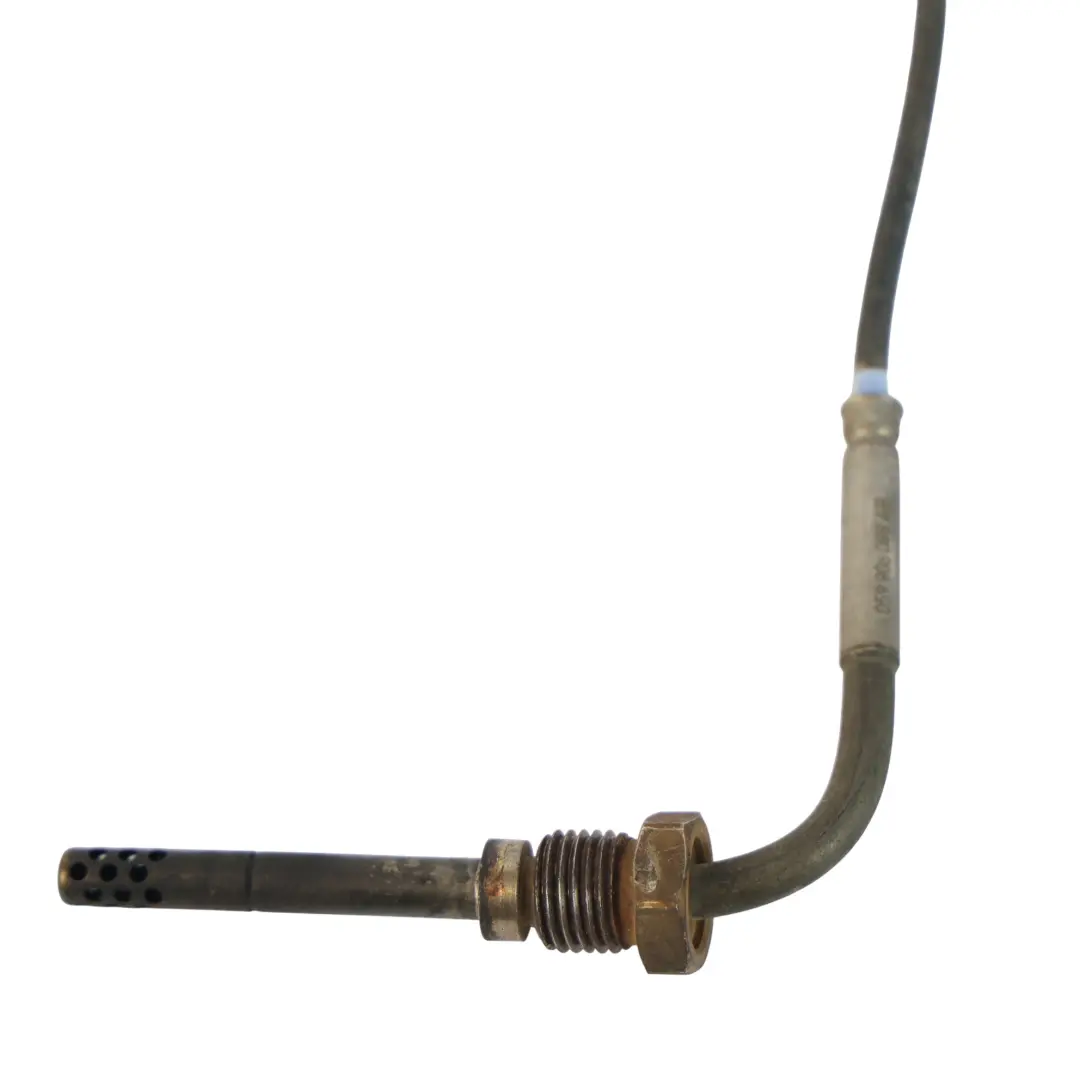
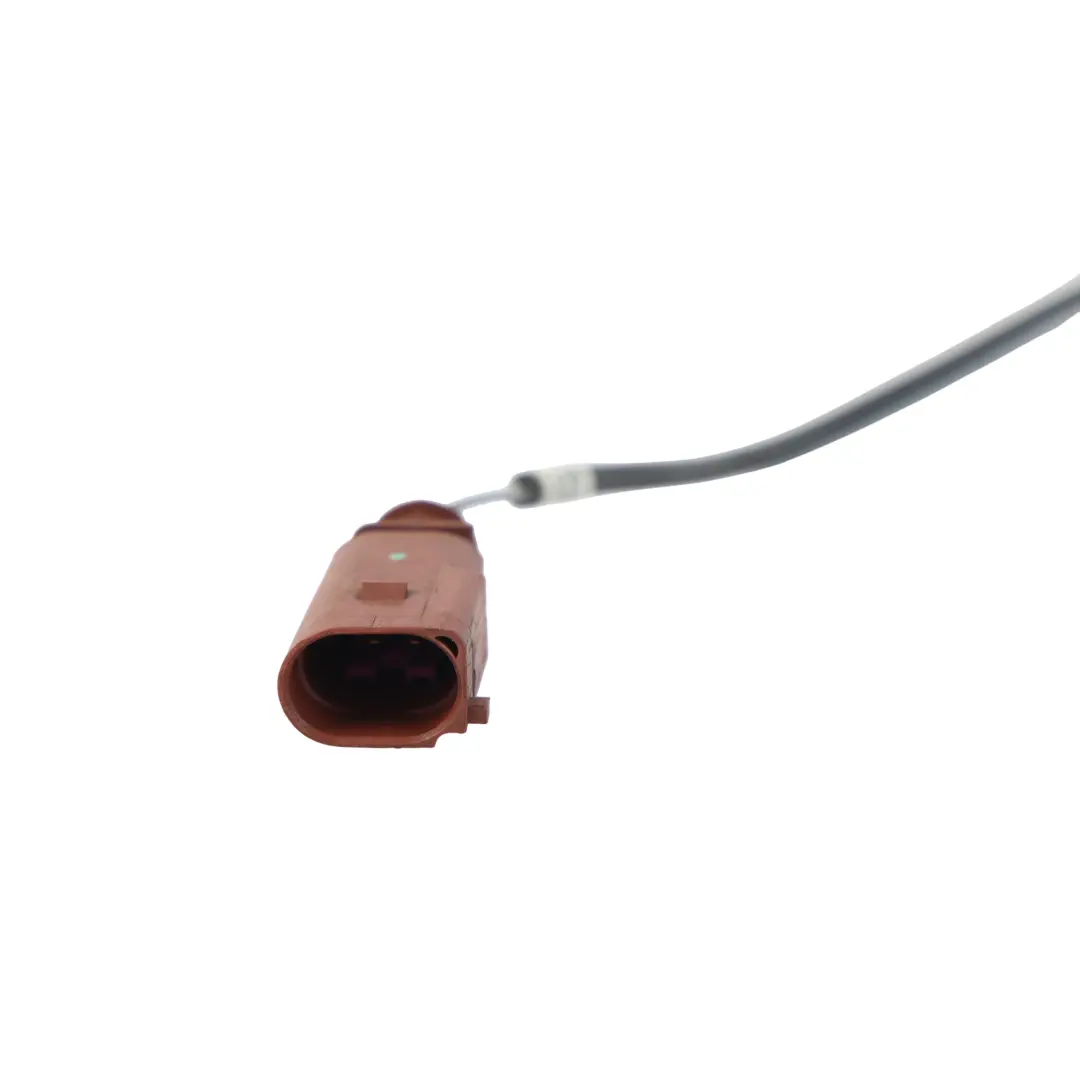
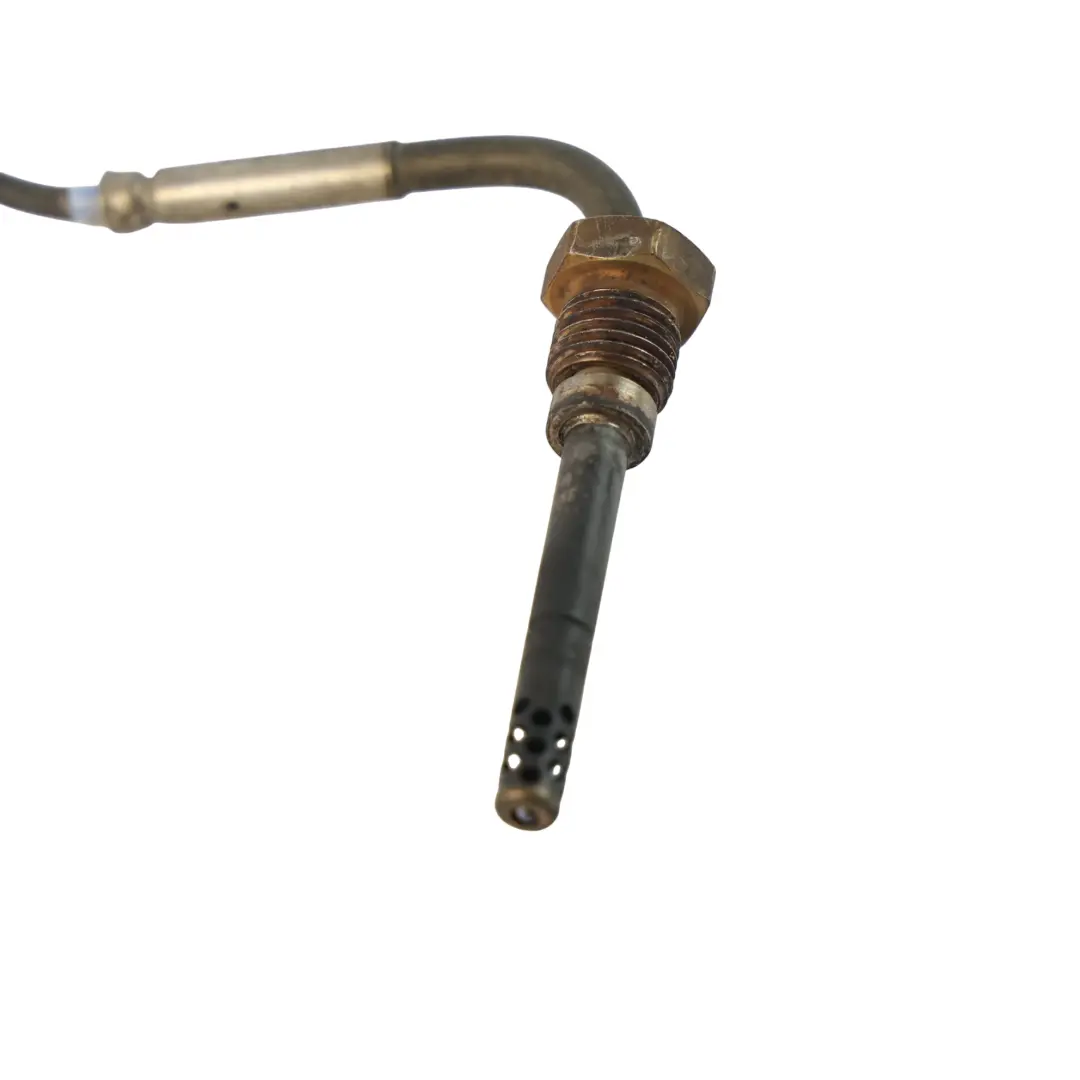
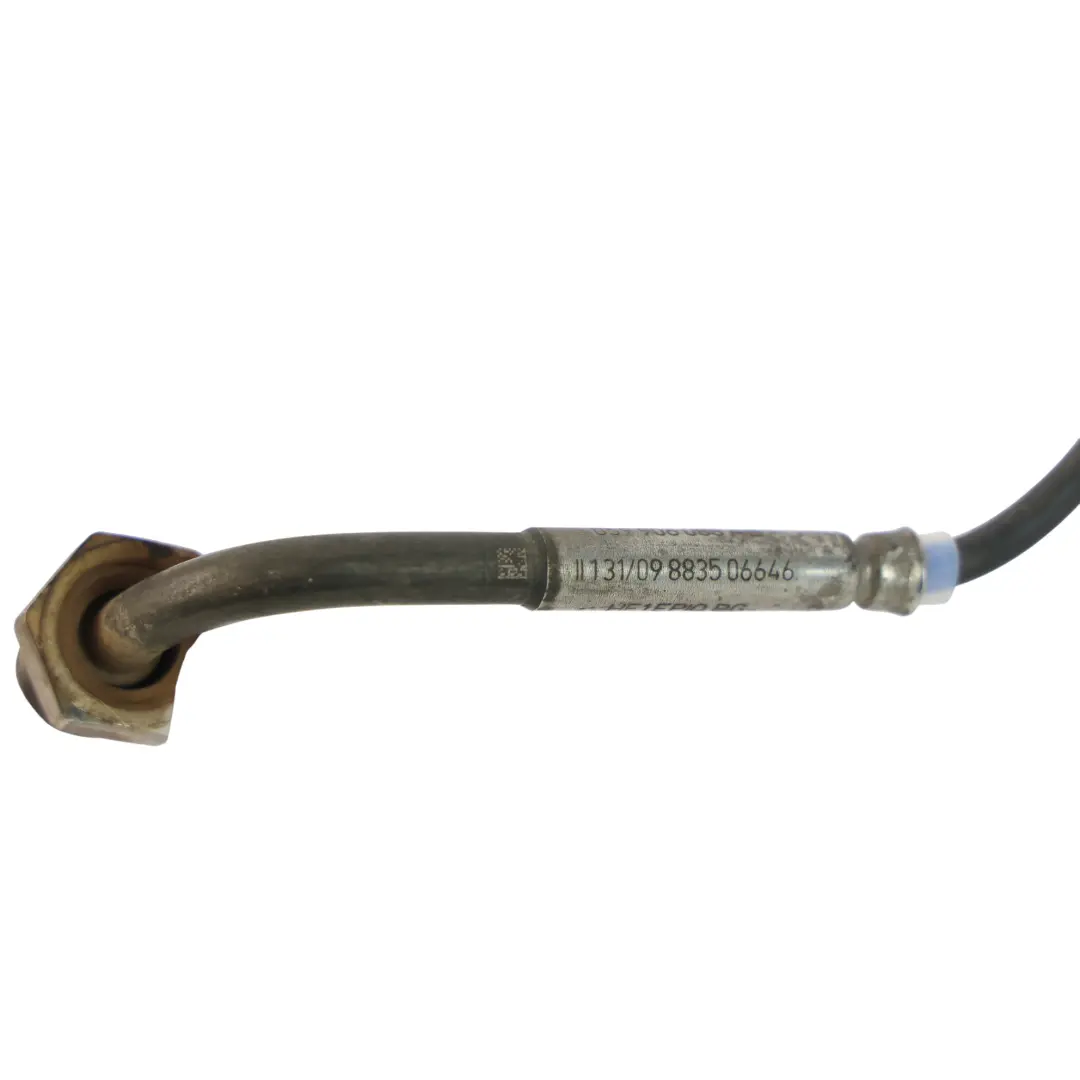
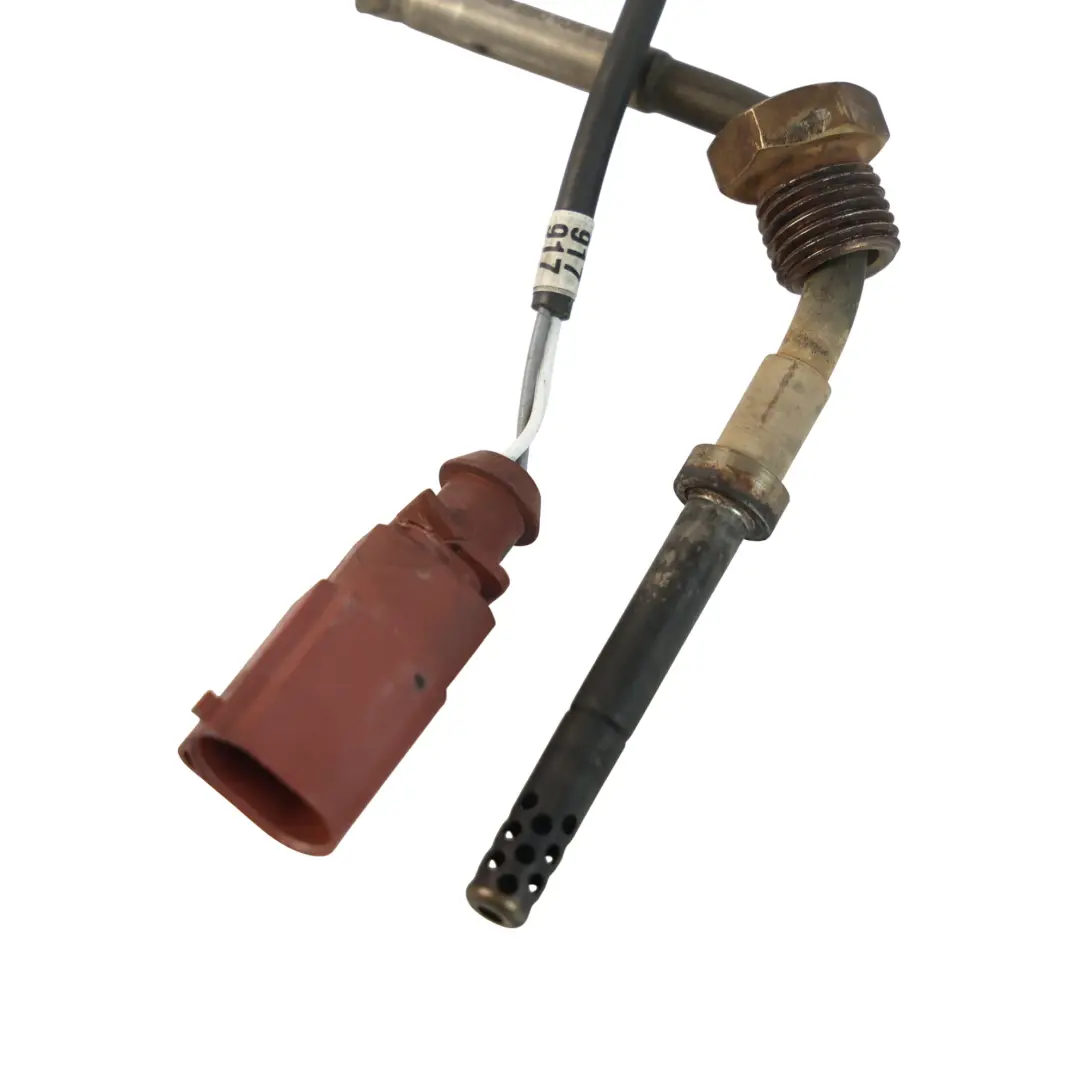
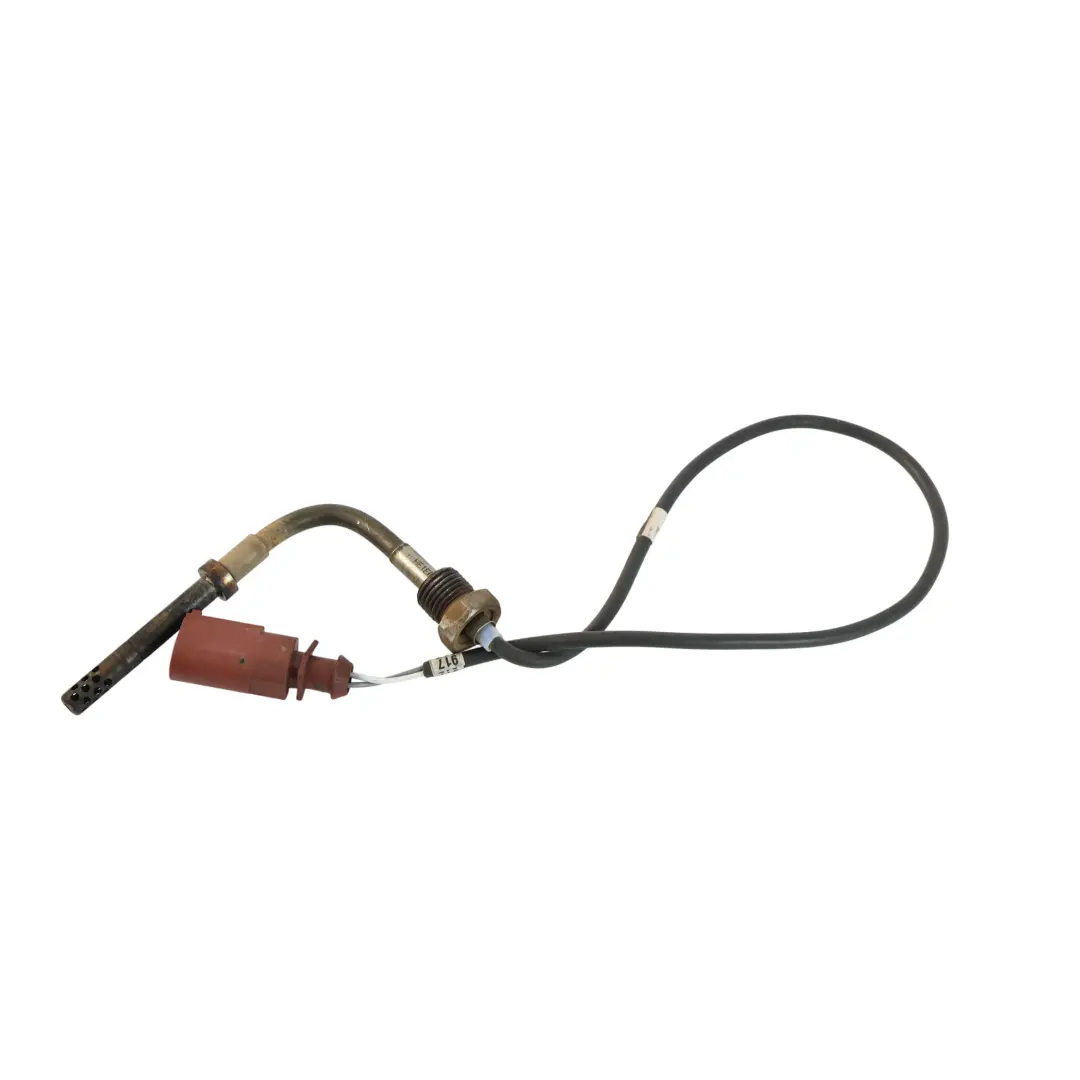
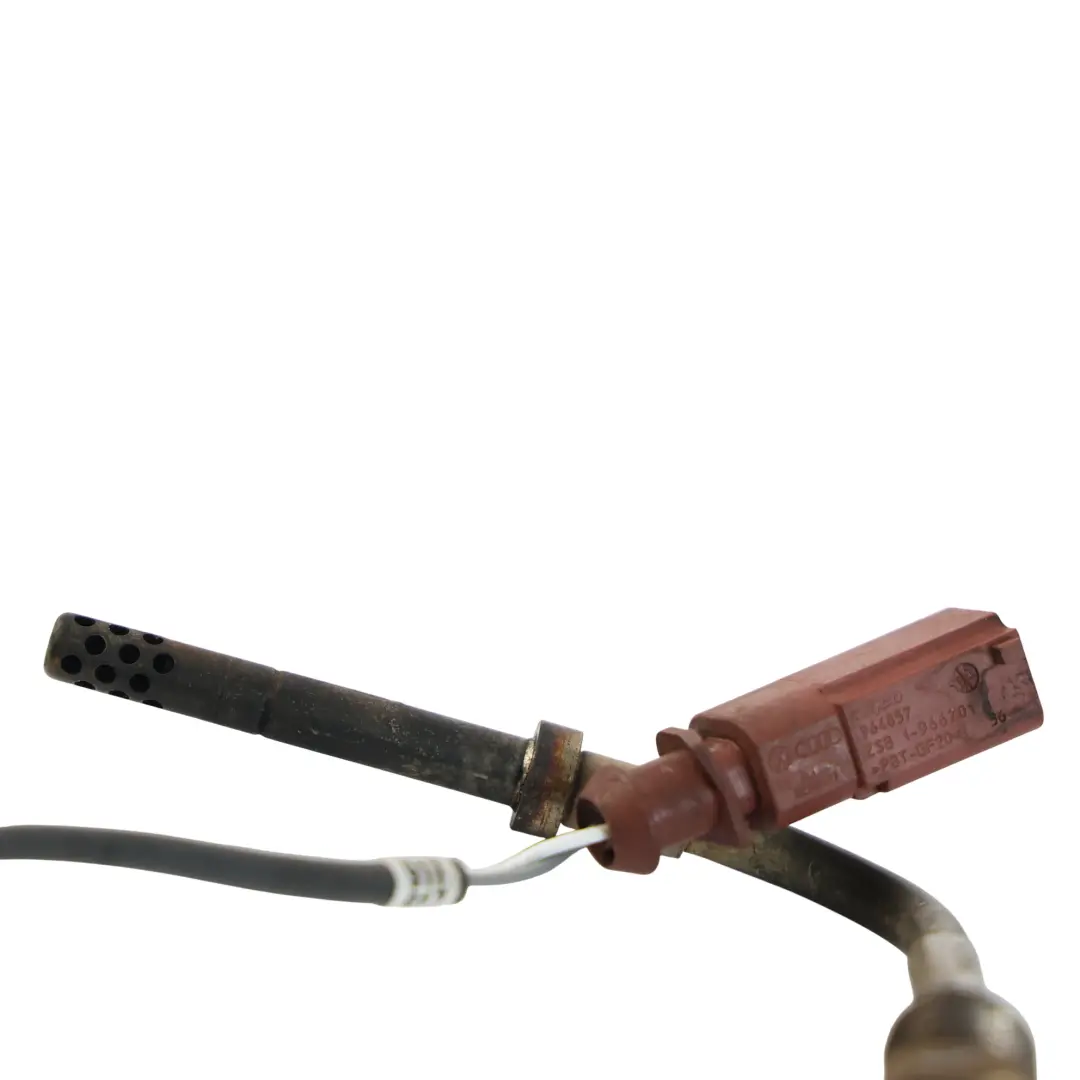
Audi Q7 4L Exhaust Gas Temperature Sensor Before DPF 3.0 TDI Diesel 059906088AB
SKU: 059906088AB
Product from a certified dismantling facility
Condition:
Used
Available:
0
Delivery time:
Product currently unavailable
Payment methods:





Returns:
14 days return
Delivery from:
PLN 0.00
This part is currently not available. Leave your email and we will notify you when the product is available again.
Audi Q7 4L Exhaust Gas Temperature Sensor Before DPF 3.0 TDI Diesel is a precise exhaust system component responsible for reliable measurement of exhaust gas temperature before the particulate filter. A correctly functioning sensor allows the engine control unit to safely manage the DPF regeneration process, which translates to stable operation of the 3.0 TDI unit, reduced risk of overheating, and maintenance of correct emission parameters. This item from the Lambda probes and O2 sensors group is crucial for the proper functioning of the exhaust gas purification system in a diesel engine.
Specifications and technical data
- SKU: 059906088AB
- Mark: Audi
- Condition: Used
- OEM Part Number: 059906088AB
- Substitutable numbers: 059906088AB, 059 906 088 AB
- Fuel type: Diesel
- Category: Oxygen Sensors
Function of the Exhaust Gas Temperature Sensor Before DPF
The Exhaust Gas Temperature Sensor Before DPF in the Audi Q7 4L with a 3.0 TDI Diesel engine monitors the thermal conditions in the exhaust section preceding the particulate filter. Based on the signal from the sensor, the engine control unit selects the injection and DPF regeneration strategy to maintain the temperature within a safe and effective range. A functional component of this type helps to:
- reduce the risk of overheating the DPF filter and adjacent components,
- maintain stable diesel engine operation under various load conditions,
- ensure compliance with emission standards through proper filter regeneration,
- minimize the occurrence of diagnostic errors related to exhaust gas temperature.
Purpose and Integration with the Exhaust System
The presented sensor is dedicated for installation in the Audi Q7 4L model with a 3.0 TDI unit powered by Diesel fuel. As a component cooperating with the engine control system, it is integrated with the logic of the exhaust gas purification system, including the particulate filter regeneration process. Thanks to its factory signal characteristics, the sensor ensures:
- correct cooperation with the engine control electronics,
- appropriate response dynamics to exhaust gas temperature changes,
- stable parameter readings across the full operating range of the 3.0 TDI unit.
Product Characteristics and Condition
The Audi Q7 4L Exhaust Gas Temperature Sensor Before DPF 3.0 TDI Diesel is from the group of original Audi components, which promotes proper fitment to the factory exhaust system. The product is offered as a used item, allowing for economical repair while maintaining compatibility with the vehicle manufacturer's design solutions. The choice of a used exhaust gas temperature sensor is particularly important for advanced exhaust gas purification systems, where both correct electrical characteristics and mechanical fitment to the existing installation are crucial.
Benefits of Using an Original Sensor in the Audi Q7 4L
Using a dedicated exhaust gas temperature sensor before the DPF in the Audi Q7 4L 3.0 TDI offers a number of practical operational benefits:
- Stable DPF System Operation – accurate temperature readings enable safe and effective soot combustion.
- Improved Diagnostics – a correct signal from the sensor facilitates data interpretation by the control unit and reduces the occurrence of exhaust gas temperature-related errors.
- Protection of Exhaust Components – temperature control reduces the thermal load on the filter and adjacent components.
- Consistency with Factory Calibration – the original signal characteristic is matched to the engine control unit maps for the 3.0 TDI Diesel version.
Selection, Installation, and Technical Support
When selecting an exhaust gas temperature sensor for the Audi Q7 4L 3.0 TDI, it is important to pay attention to compliance with manufacturer markings and its intended use before the DPF filter. Installation should be performed with the correct tightening torque and proper cable routing to avoid mechanical damage and wire overheating. For users who wish to consciously use used electronic and measurement components, a guide describing the principles of selection, verification, and installation of such components will be useful – this is discussed in detail in the article Used Automotive Electronics – ECU Modules and Second-Hand Sensors, where you will find practical tips on compatibility and diagnostics. If you are planning a comprehensive repair or upgrade of the exhaust system area in your Audi and need other parts from the same group, such as lambda probes, oxygen sensors, or additional temperature sensors, check the available parts in the Audi Lambda Probes and O2 Sensors category.
Delivery details
Ship to: Poland
Check delivery times for another country
Delivery Price
Service
Postage and packaging
Service
Postage and packaging
Service
Postage and packaging
Service
Postage and packaging
Delivery time
Estimated delivery dates include sellers dispatch time, origin postcode,destination postcode and time of acceptance, and will depend on the postage service selected and receipt of cleared payment. Delivery times may vary, especially during peak periods.
Will usually dispatch within same working day if paid before 14:00 BST (excludes weekends and holidays). Expected dispatch time may vary and is based on sellers order cut-off time.
In the automotive store Global Parts, we offer fast and secure deliveries for our customers in Poland, ensuring maximum compliance with local service standards. Each order is processed with the utmost attention, guaranteeing a fluid shopping process and a timely delivery. If you need assistance in choosing the right part, our team of consultants will be happy to help you find the right part for your vehicle and provide information on installation, availability and parameters of the selected components.
Proposed car parts:
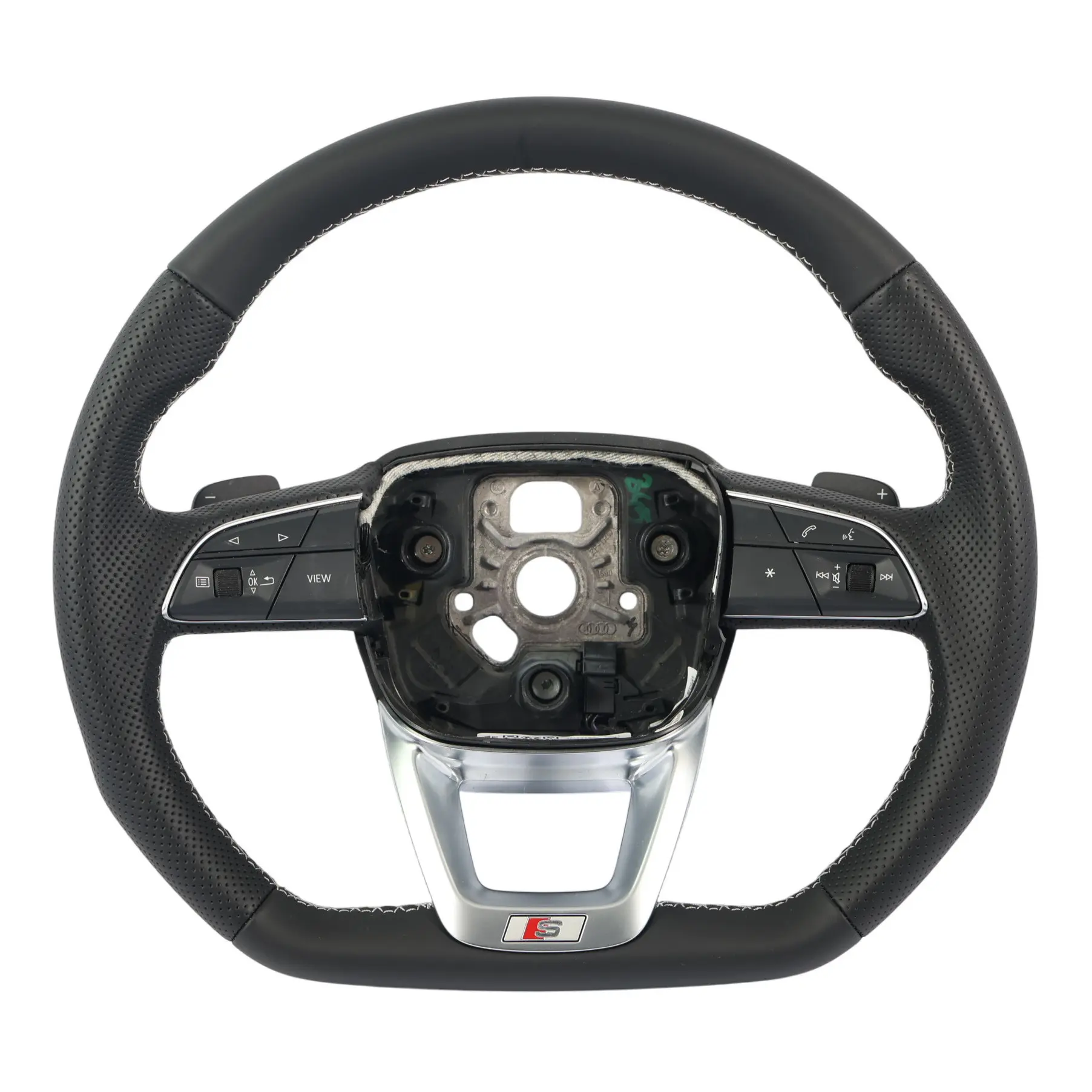
-15%
Part no. 4M8419091AC-1
Audi Q7 4M Q8 Steering Wheel S-Line NEW Black Leather Flat Bottom 4M8419091AC
Promo price
PLN 2,849.95
PLN 2,422.46
Delivery: Oct 14
If paid before 14:00
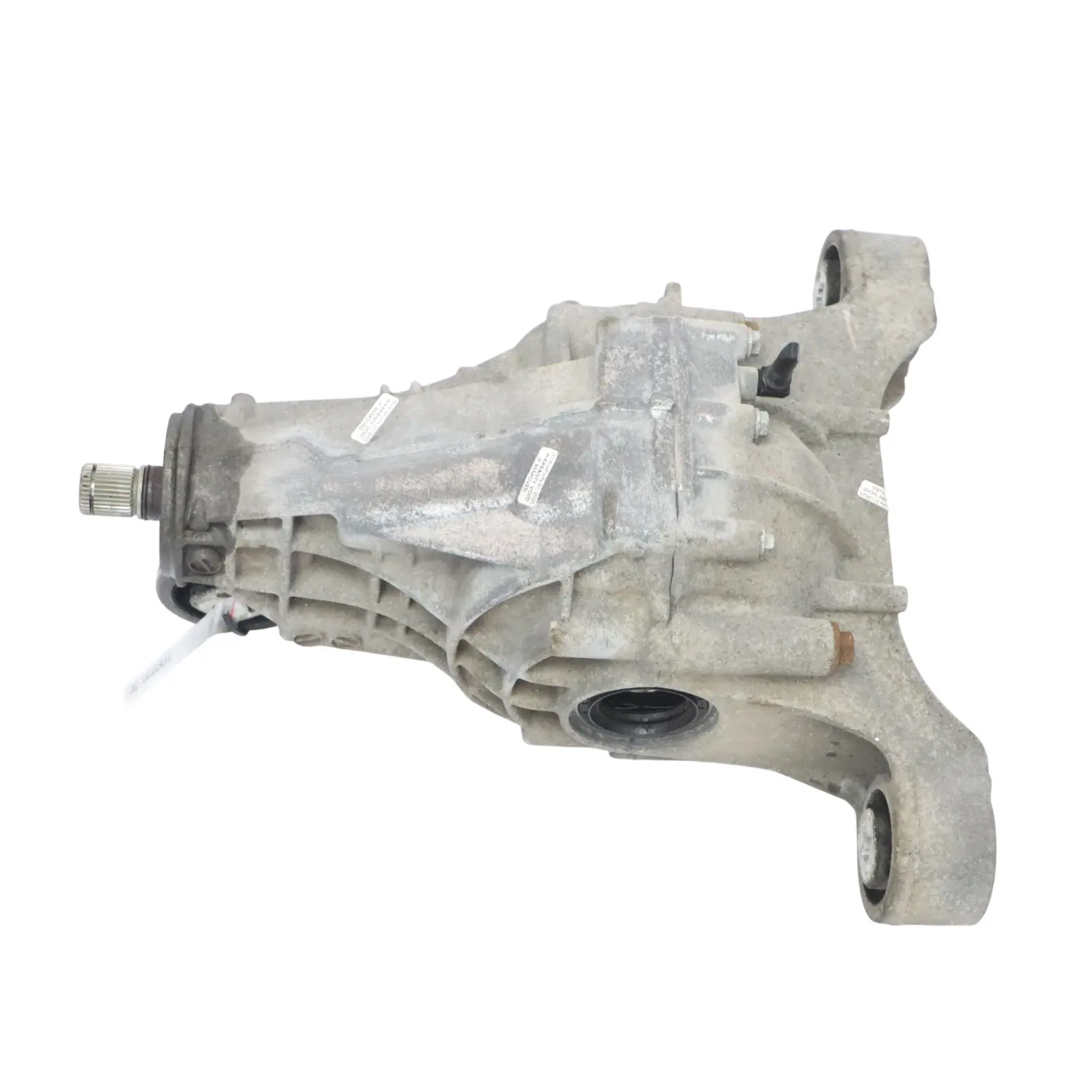
-15%
Part no. 0BP525015H
Audi Q7 4L VW Touareg 3.0 TDI Rear Axle Differential MEX 0BP525015H WARRANTY
Promo price
PLN 569.95
PLN 484.46
Delivery: Oct 14 – 15
If paid before 14:00
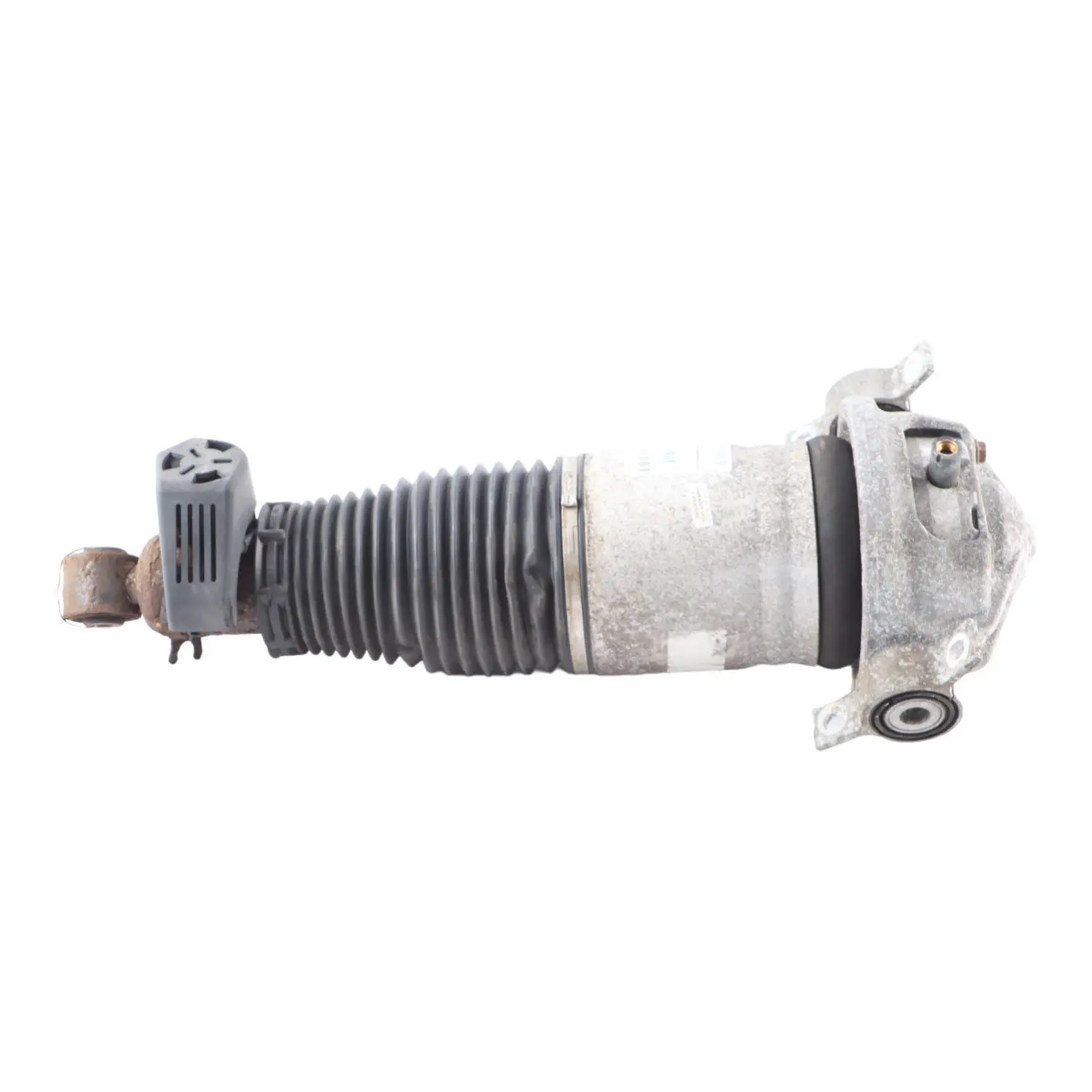
-15%
Part no. 7L8616020C
Audi Q7 4L 4.2 TDI Rear Air Suspension Strut Right O/S Shock Absorber 7L8616020C
Promo price
PLN 137.95
PLN 117.26
Delivery: Oct 14
If paid before 14:00
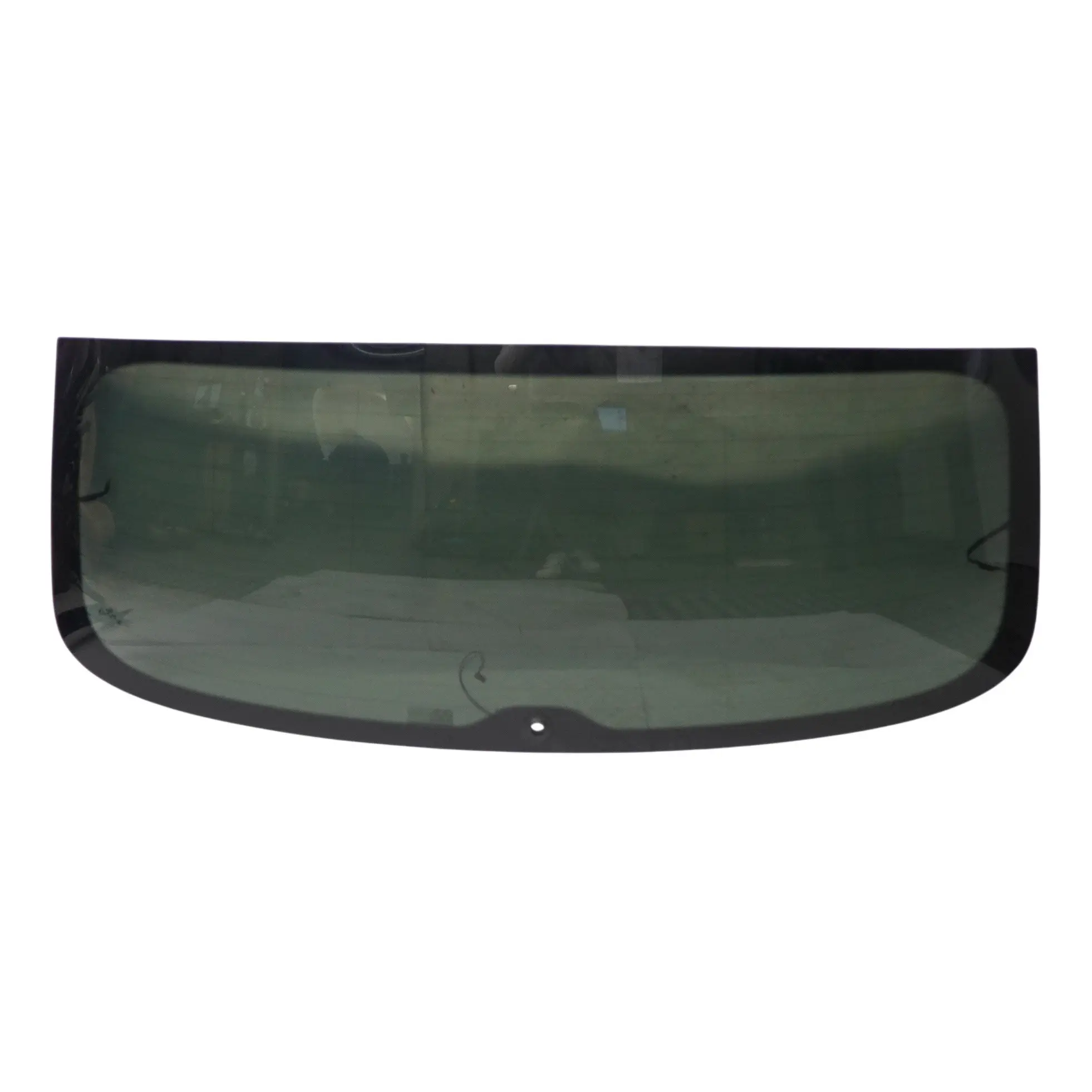
Part no. 4L0845501C
Audi Q7 4L Rear Boot Trunk Lid Tailgate Window AS3 Tinted Glazing 4L0845501C
PLN 474.95
Delivery: Oct 13
If paid before 14:00
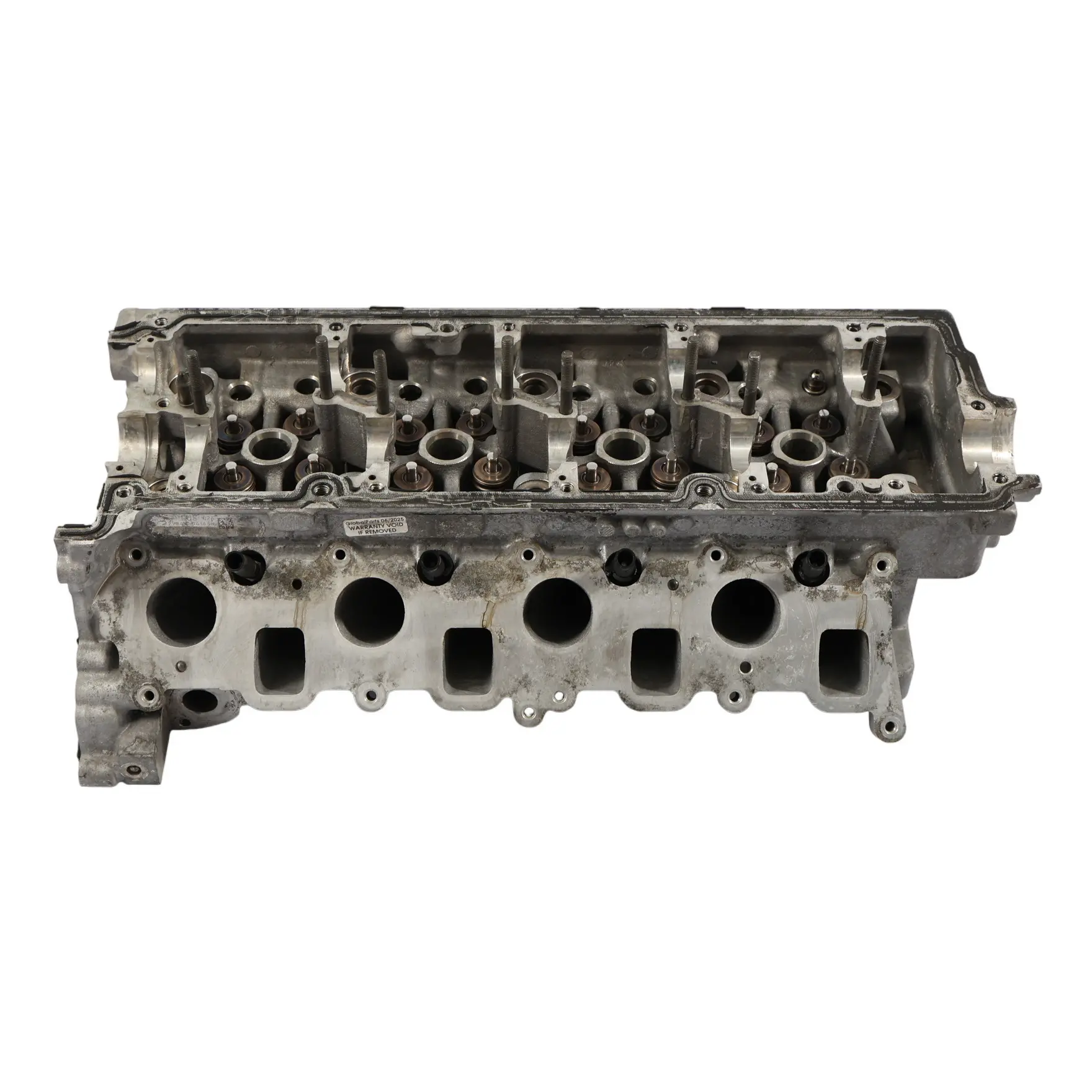
-40%
Part no. 057103063BN
Audi A8 D4 Cylinder Head Cyl. 5-8 4.2 TDI Diesel Engine 057103063CA
Promo price
PLN 1,424.95
PLN 854.97
Delivery: Oct 14 – 15
If paid before 14:00
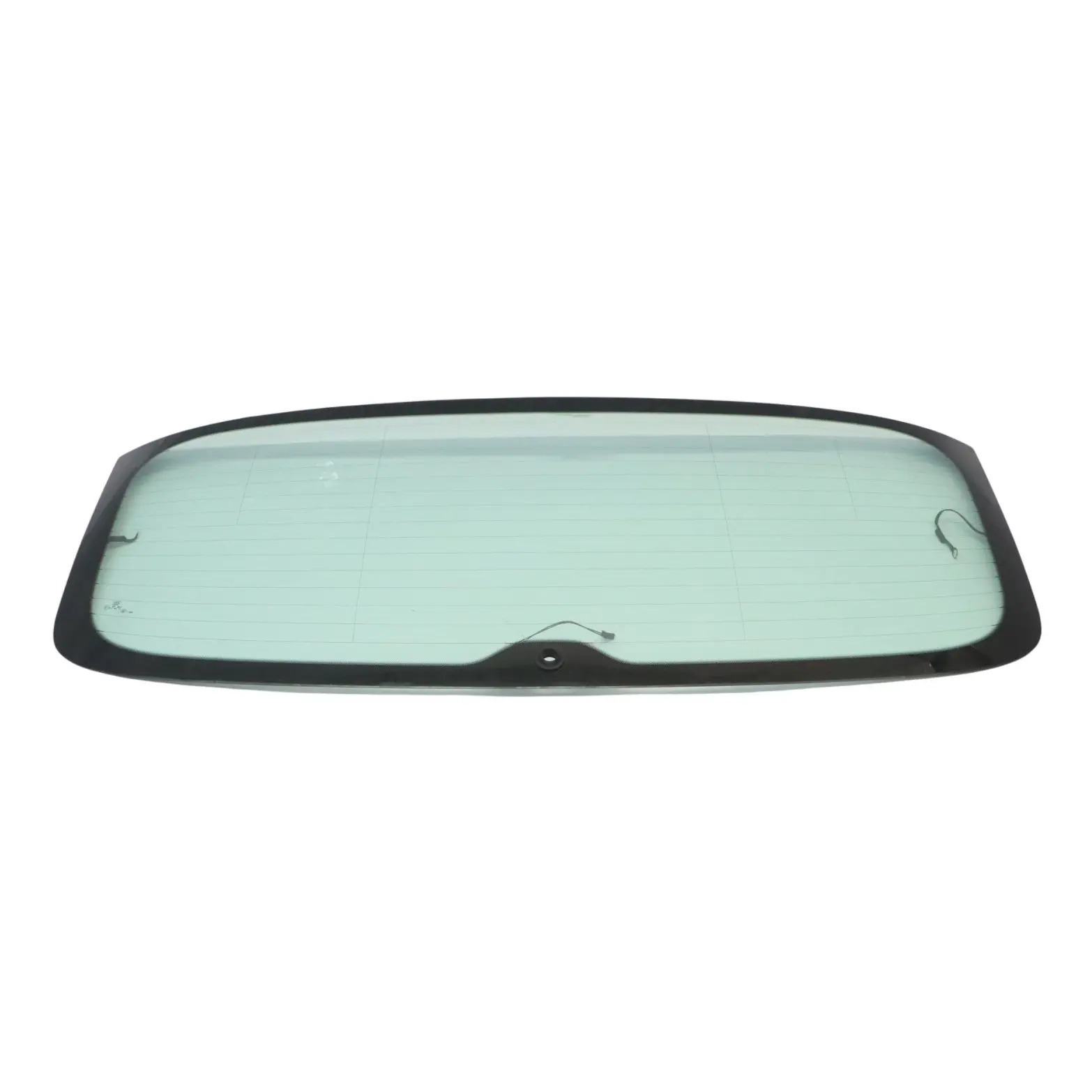
Part no. 4L0845501
Audi Q7 4L Rear Boot Trunk Lid Tailgate Window AS2 Green Glazing 4L0845501C
PLN 332.95
Delivery: Oct 13
If paid before 14:00
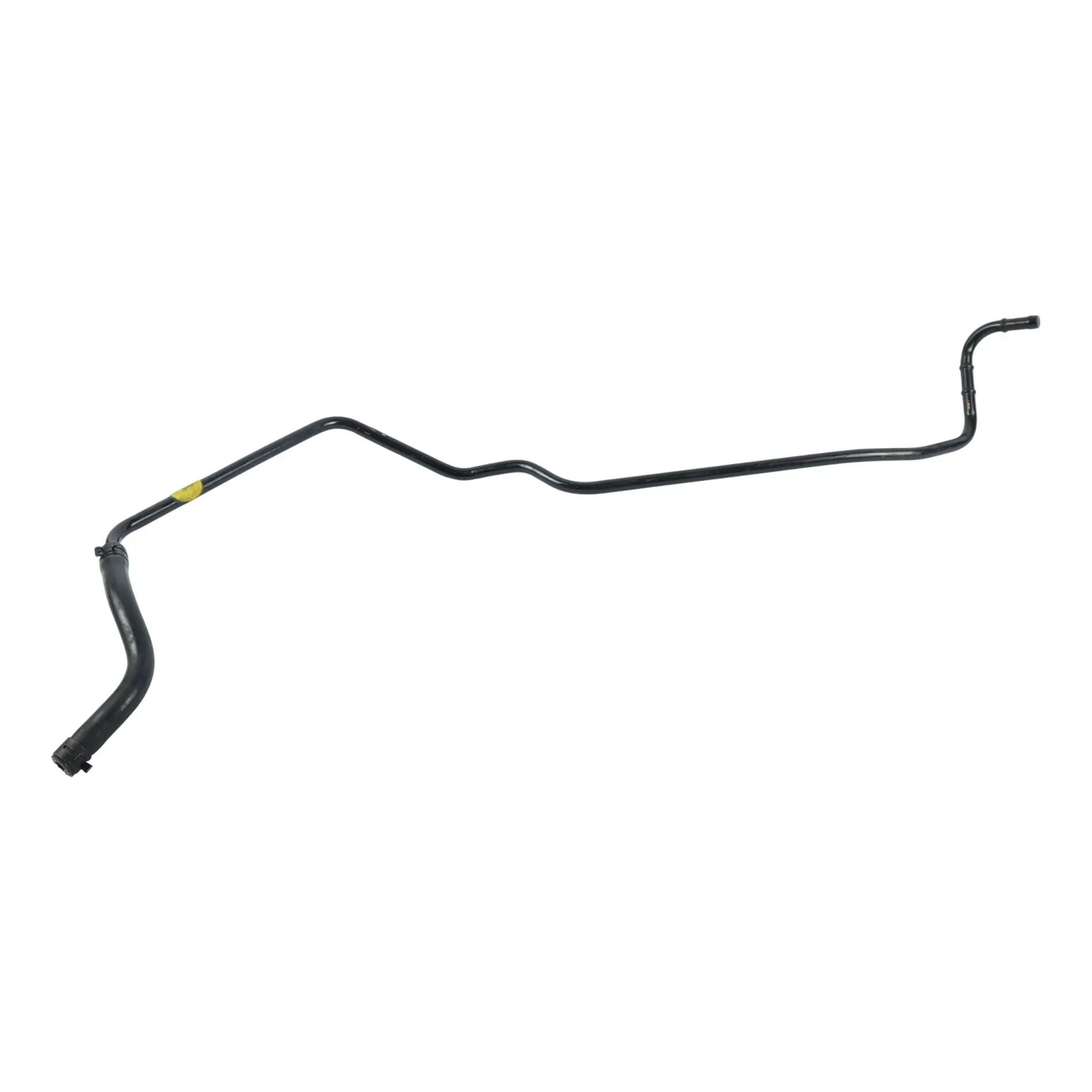
-40%
Part no. 7L6130308C
Audi Q7 4L 3.0TDI Diesel Feed And Return Fuel Pipe Line Tube Hose 7L6130308C
Promo price
PLN 237.95
PLN 142.77
Delivery: Oct 14
If paid before 14:00
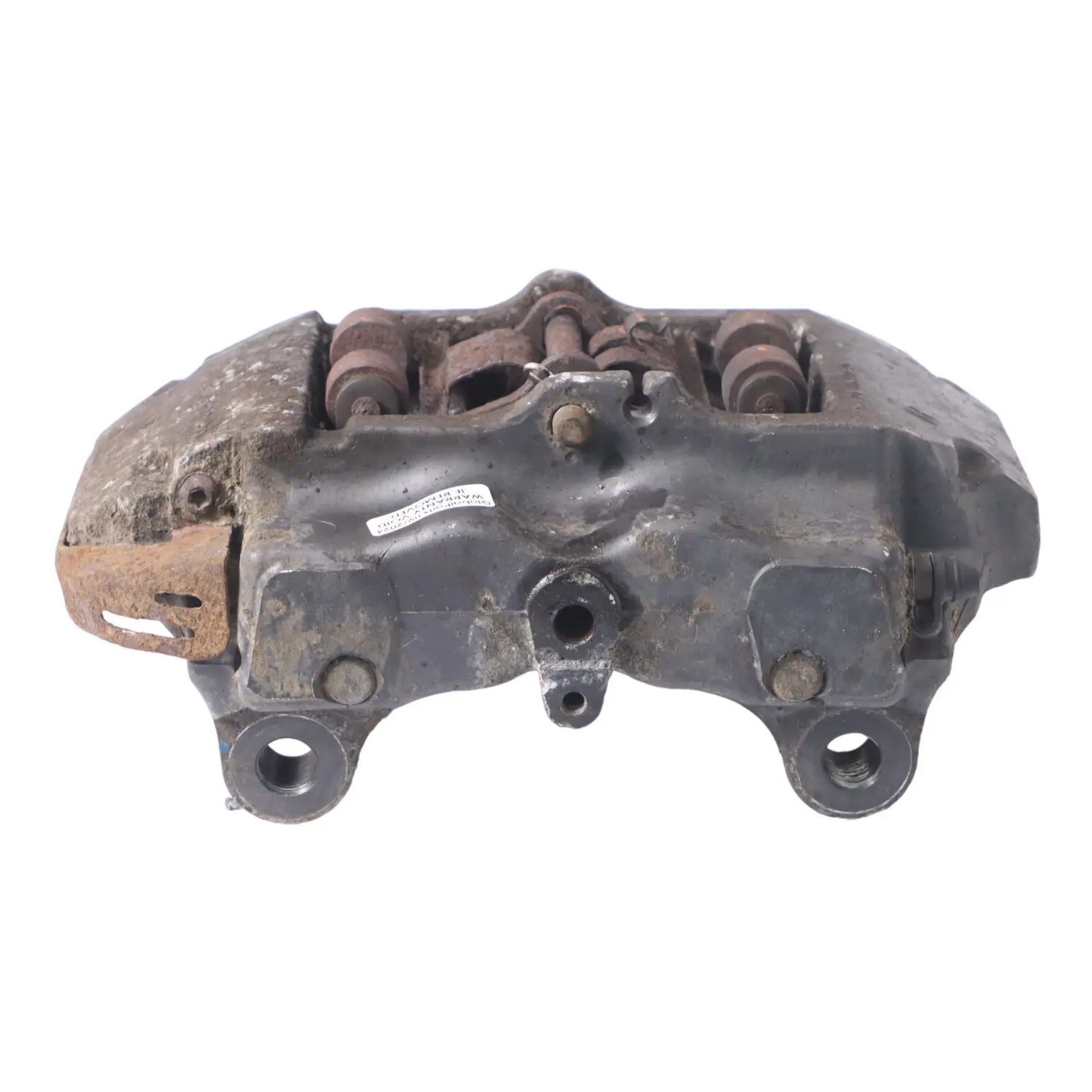
-40%
Part no. 7L6615424L
Audi Q7 4L Brake Caliper Rear Right O/S Brake Unit 7L6615424L
Promo price
PLN 237.95
PLN 142.77
Delivery: Oct 14
If paid before 14:00
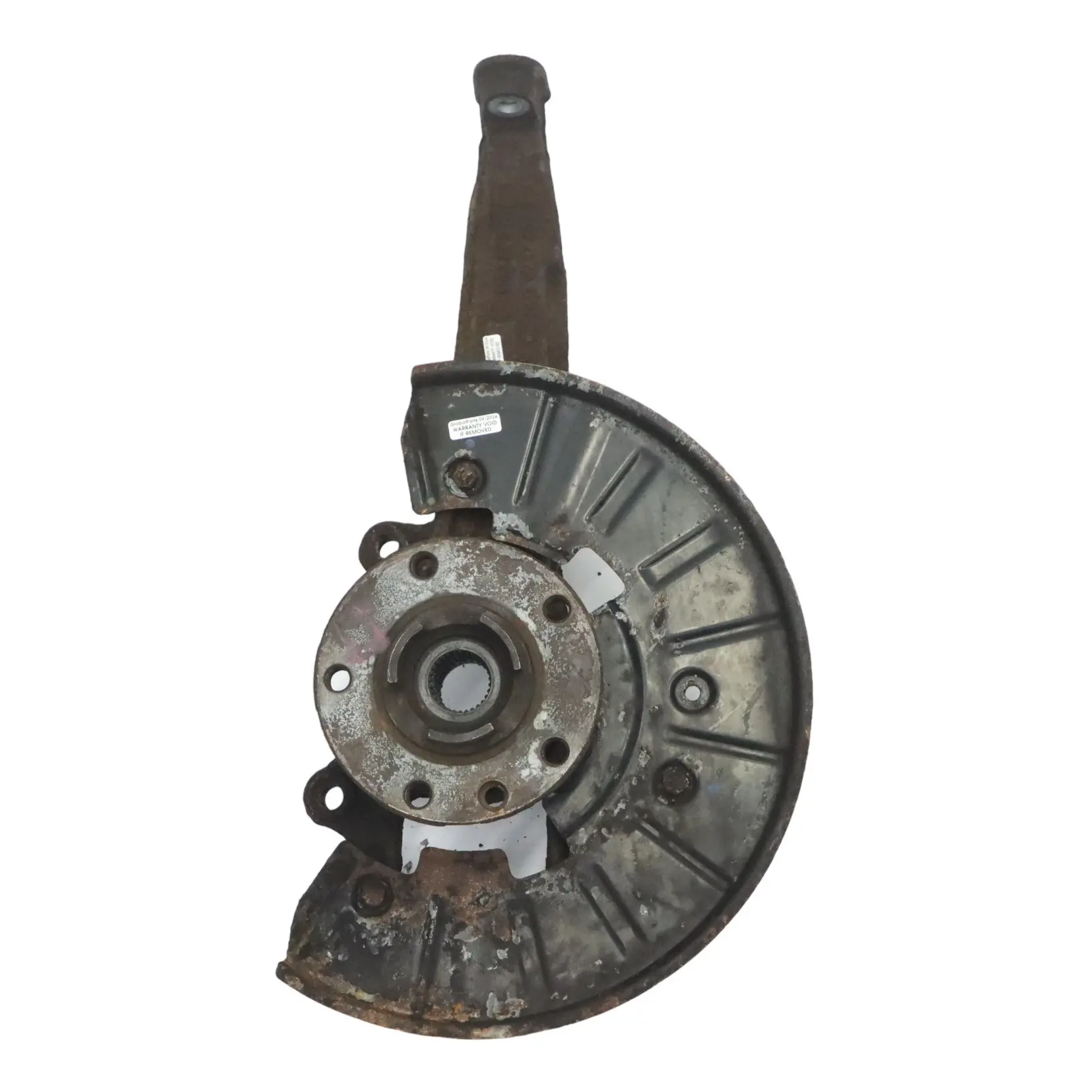
Part no. 7L8407257A-1
Audi Q7 4L Wheel Hub Front Left N/S Steering Knuckle Brake Disc 7L8407257A
PLN 246.95
Delivery: Oct 14 – 15
If paid before 14:00
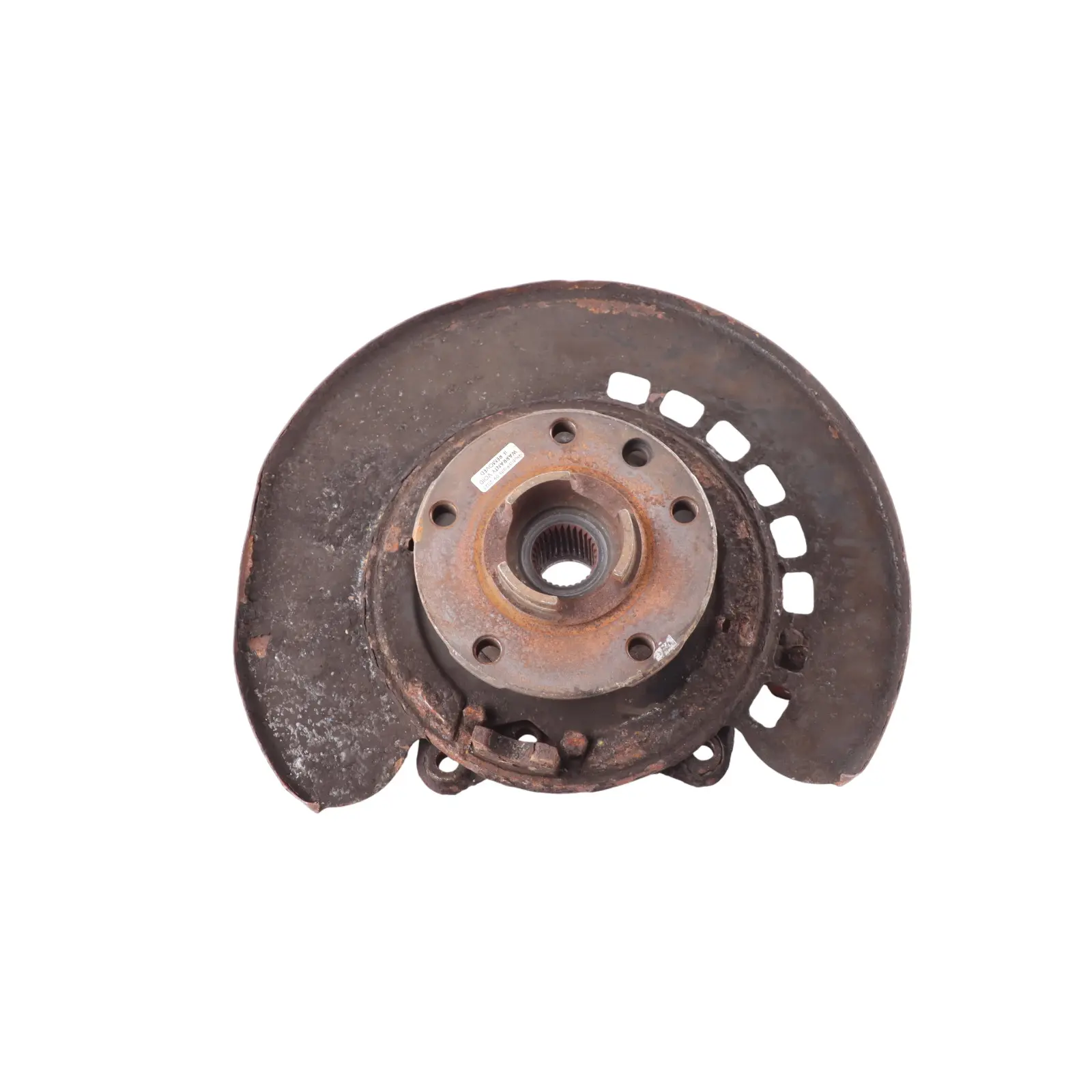
-40%
Part no. 7L8505436
Audi Q7 4L Spindle Knuckle Wheel Carrier Hub Rear Right O/S 7L8505436
Promo price
PLN 246.95
PLN 148.17
Delivery: Oct 14 – 15
If paid before 14:00
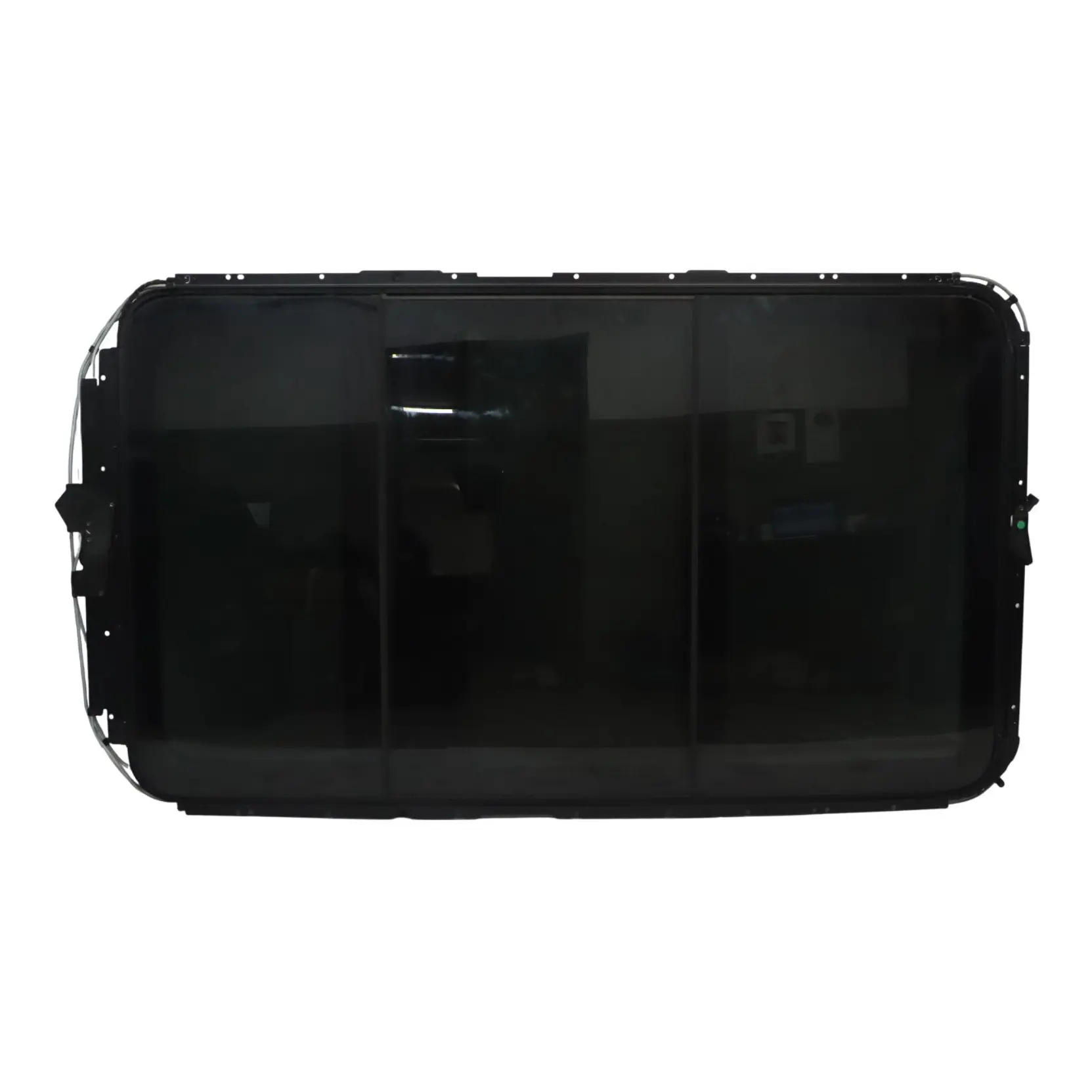
Part no. 4L0877055D
Audi Q7 4L Panoramic Roof Sunroof Glass Assembly AS3 Tinted 4L0877055D
PLN 1,139.95
Delivery: Oct 13
If paid before 14:00
-40%
Part no. 4L0845299Q
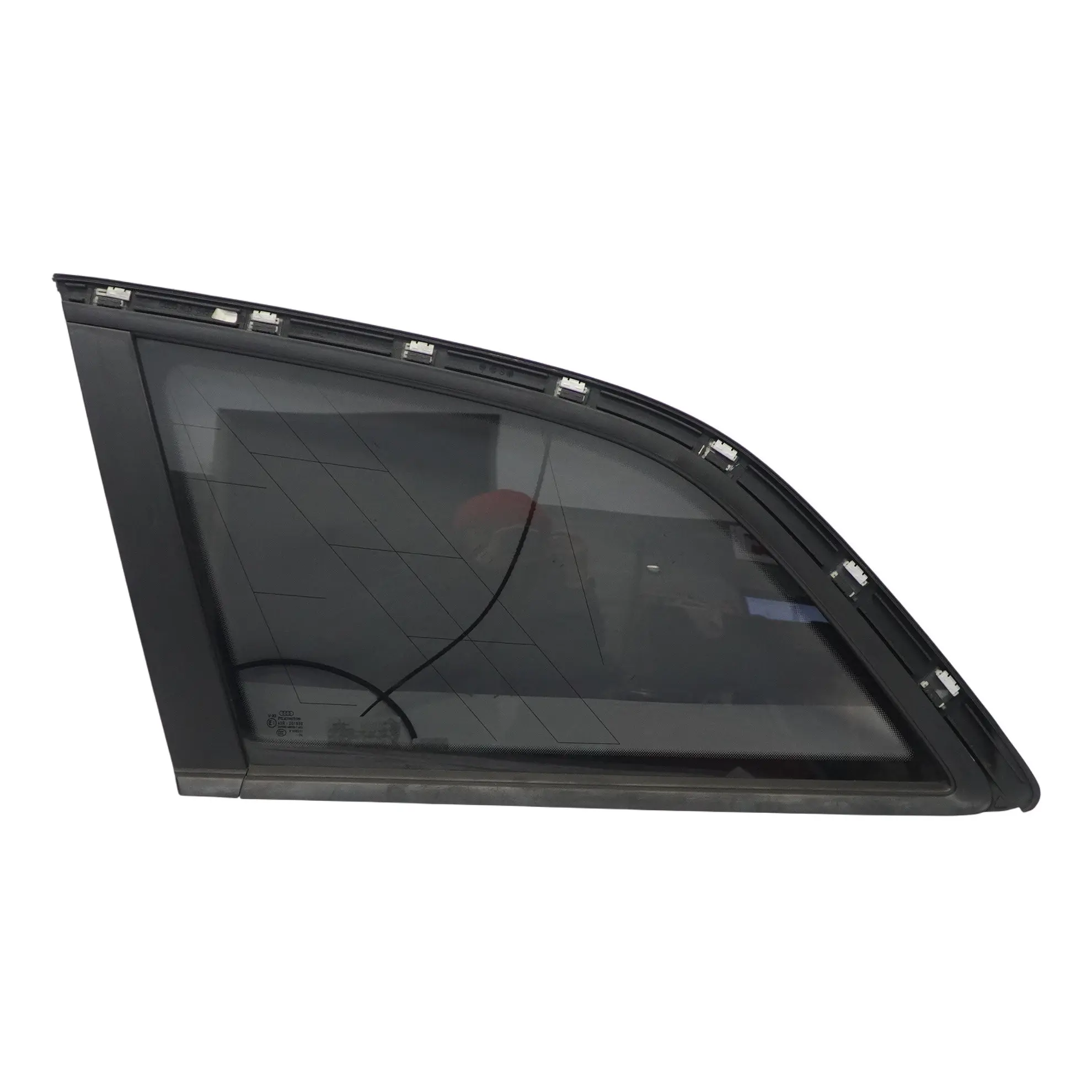
Audi Q7 4L Quarter Window Glass Rear Left N/S Tinted AS3 4L0845299Q
Promo price
PLN 237.95
PLN 142.77
Delivery: Oct 14 – 15
If paid before 14:00