


ABS speed sensor
More informationAt Global Parts, we offer a wide selection of original used car parts, including ABS speed sensors for many popular car brands such as BMW, Mini, Mercedes, Audi, Volkswagen, and others. Our ABS speed sensors undergo quality control to ensure you receive a top-quality product.
Find it faster
Match to your vehicle
Make
Category
Subcategory
Condition
In Stock
Price
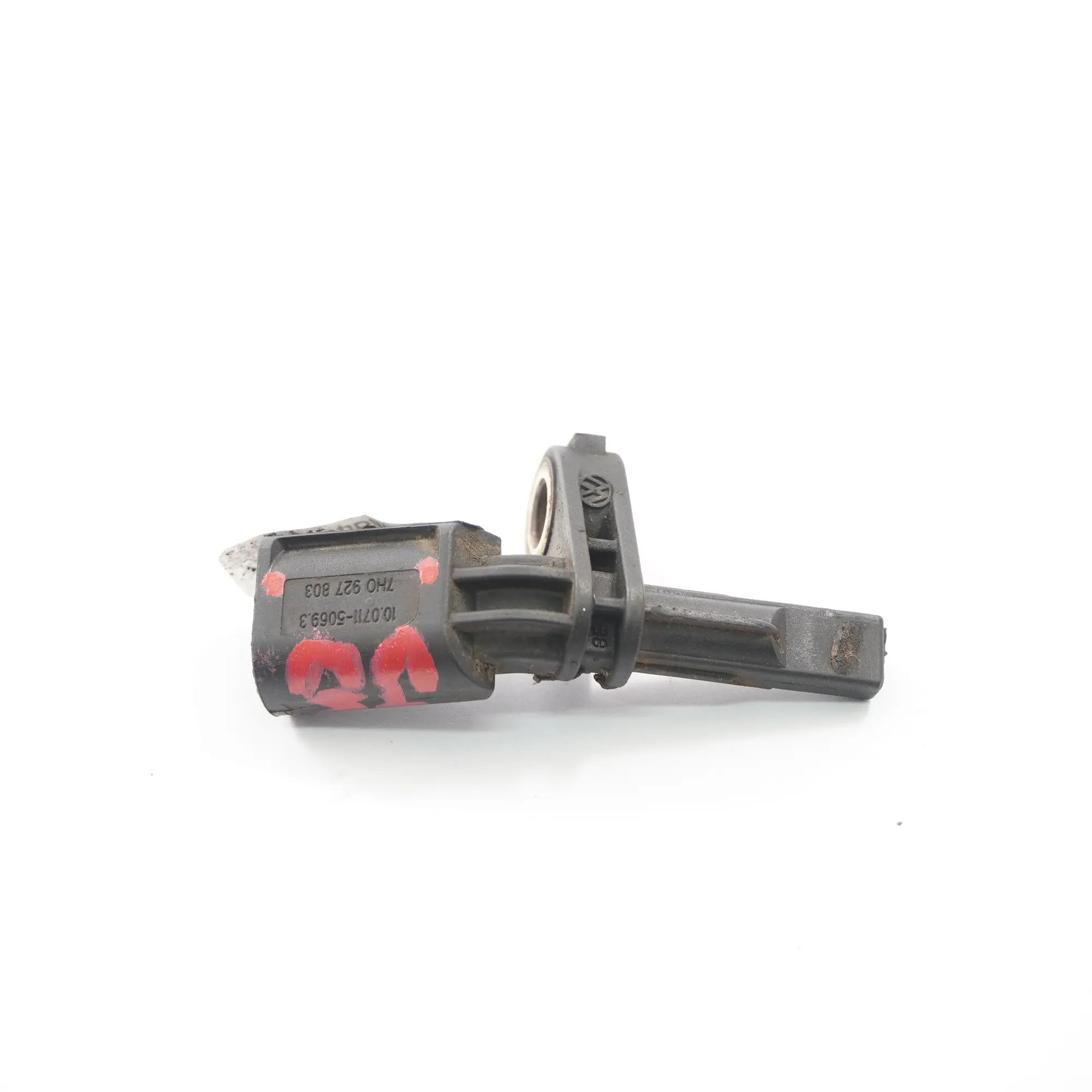
Part no. 7H0927803
Audi A3 8P VW Volkswagen Golf 5 Wheel ABS Speed Sensor 7H0927803
PLN 46.95
Delivery: Sep 22
If paid before 14:00
Part no. WHT003856
Speed Sensor Volkswagen Transporter T5 Golf Passat MK5 MK6 ABS Wheel WHT003856
PLN 46.95
Delivery: Sep 22
If paid before 14:00
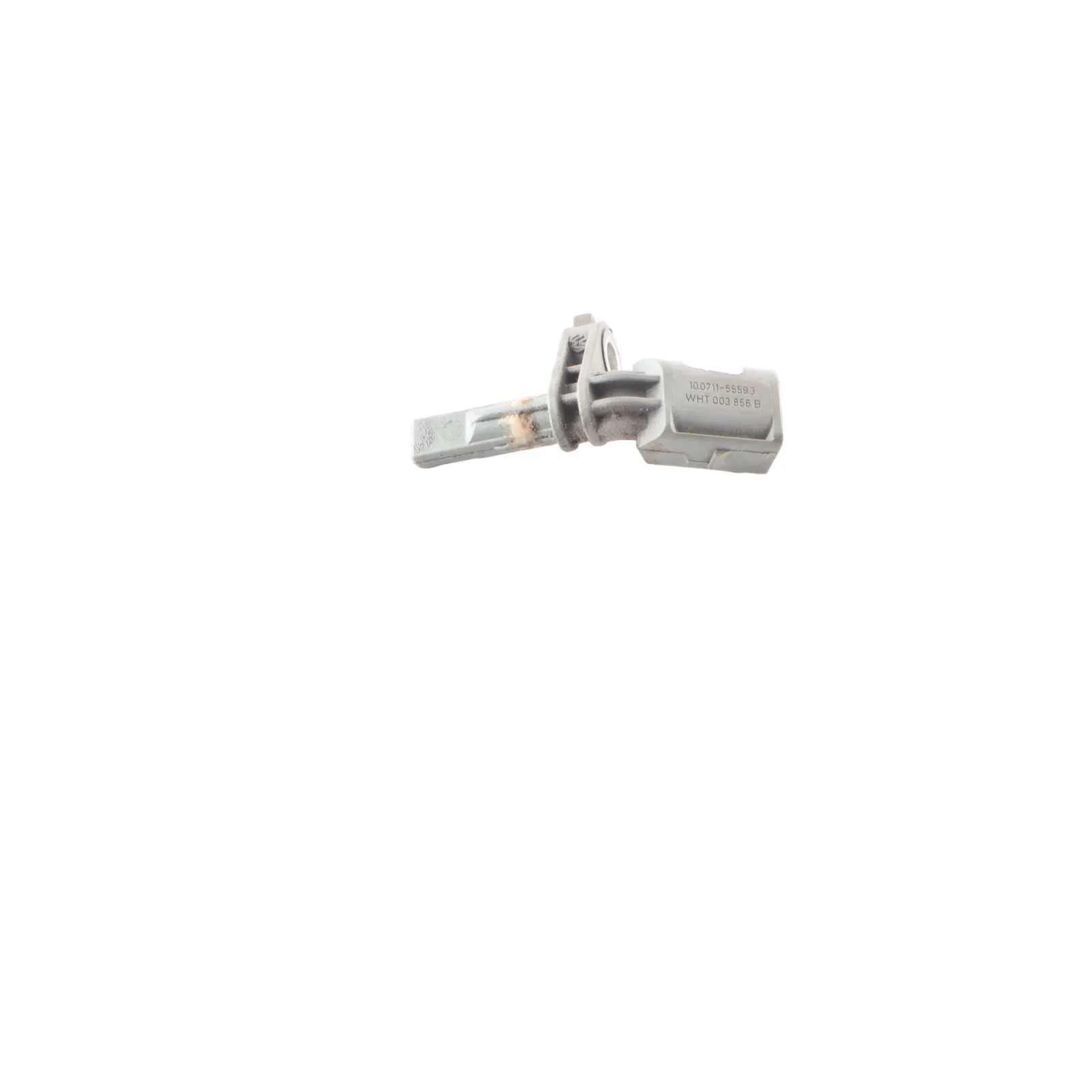
Part no. WHT003856B
Audi A3 RS3 8V Wheel ABS Speed Sensor Rear Right O/S WHT003856B
PLN 94.95
Free delivery: Sep 22
If paid before 14:00
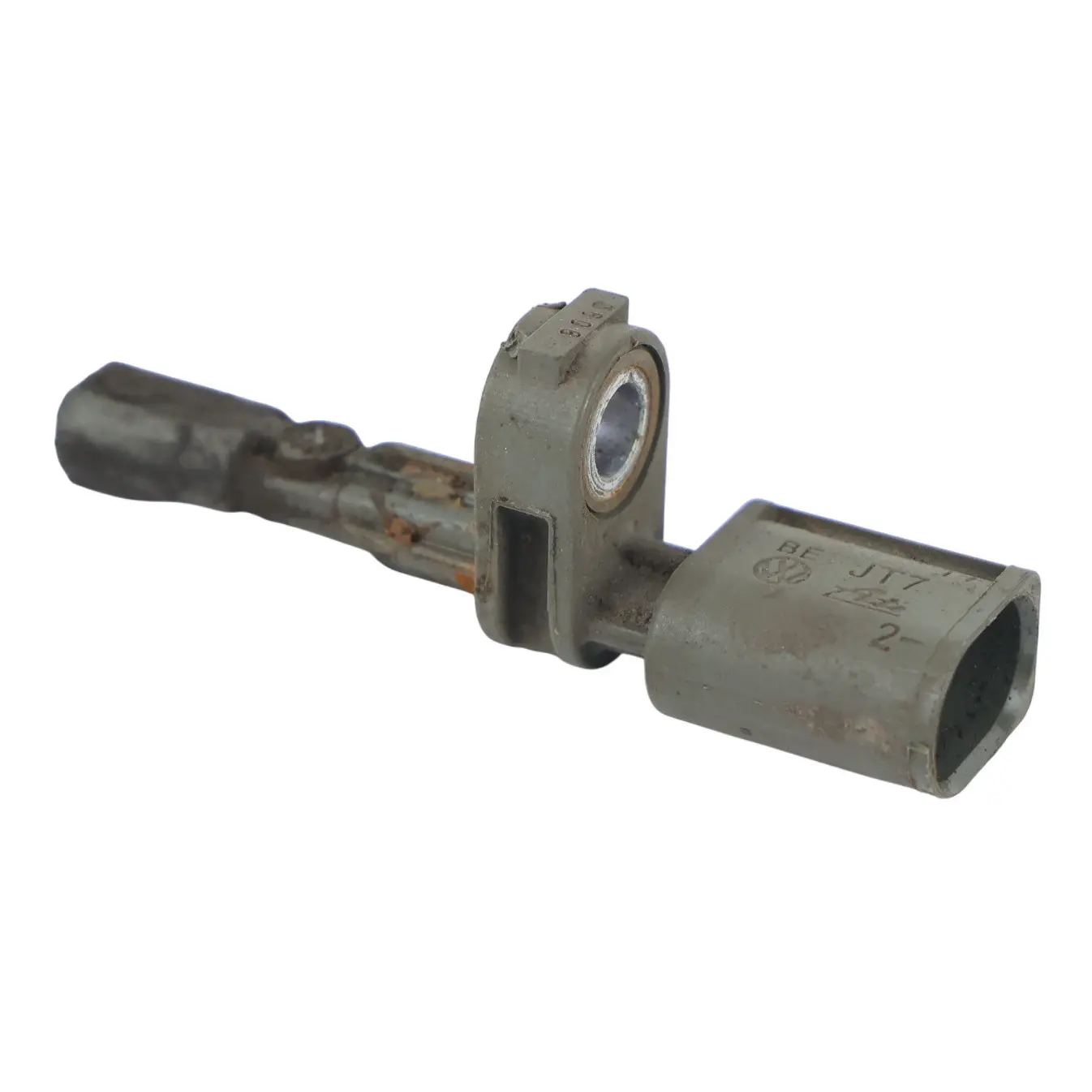
Part no. WHT003864B
VW Golf Mk7 Passat B8 Audi A3 8V Rear ABS Speed Sensor WHT003864B
PLN 46.95
Delivery: Sep 22
If paid before 14:00

Part no. WHT003857B
VW Volkswagen Golf R Mk7 Tiguan 5N Wheel Speed Sensor Rear Left N/S WHT003857B
PLN 70.95
Free delivery: Sep 22
If paid before 14:00
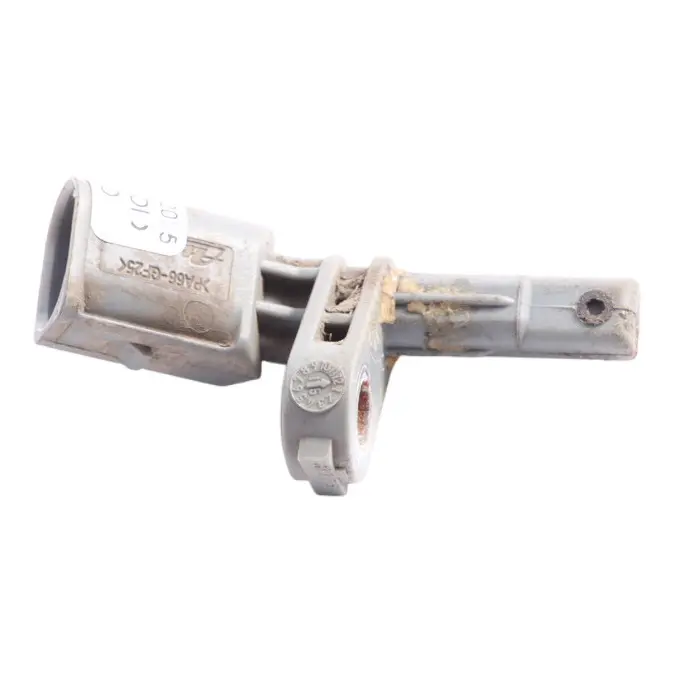
Part no. WHT003857A
Audi VW Volkswagen Seat Skoda Wheel ABS Speed Sensor Rear Left N/S WHT003857A
Product currently unavailable
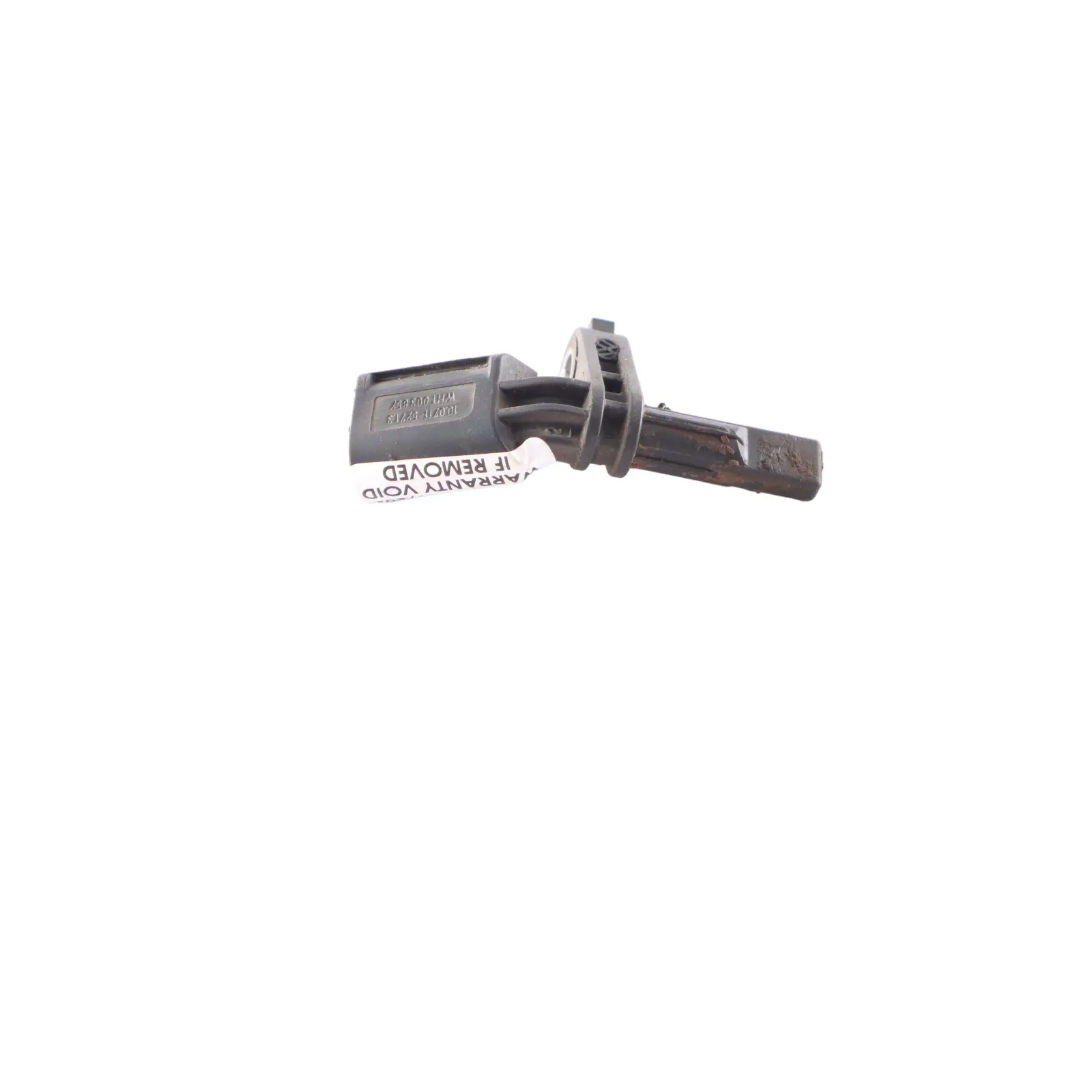
Part no. WHT003857
Speed Sensor Volkswagen Transporter T5 Golf Passat MK5 MK6 ABS Wheel WHT003857
Product currently unavailable

Part no. 1K0907655C
Audi A3 8P TT 8J VW Golf Mk5 Jetta Mk5 ESP Sensor Control Module 1K0907655C
Product currently unavailable
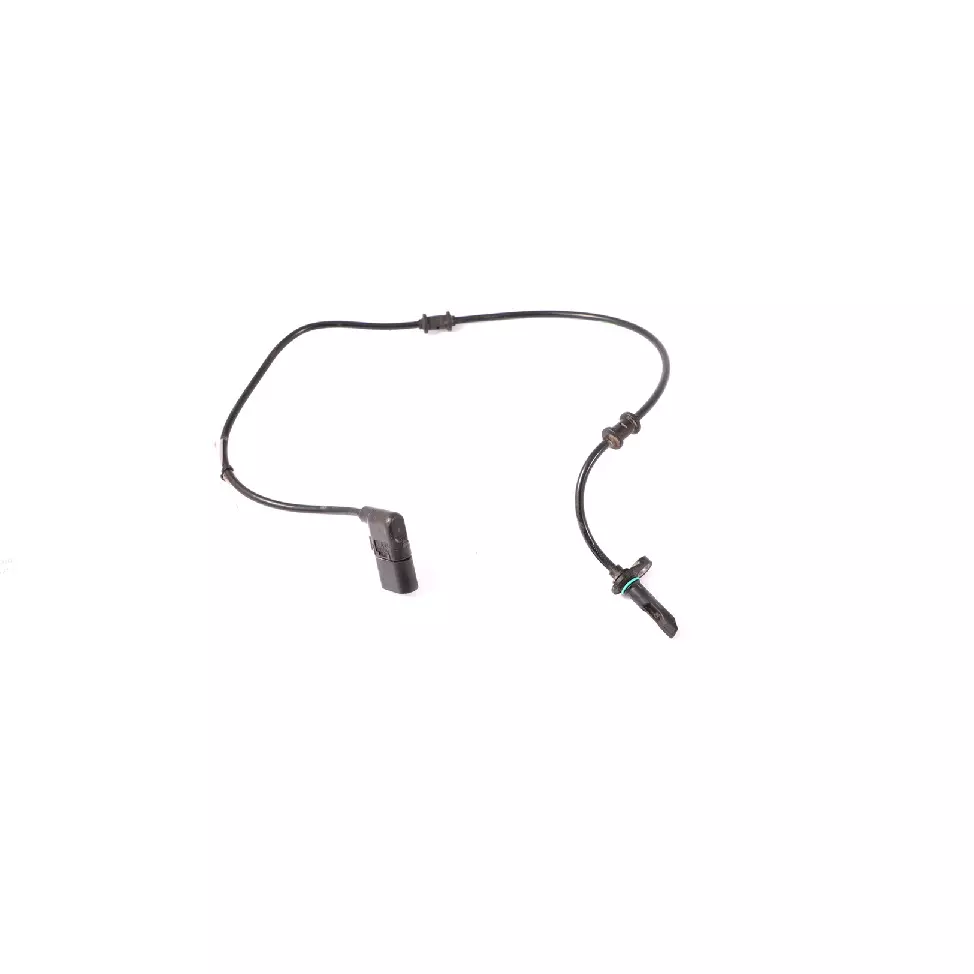
ABS wheel speed sensors for accurate braking system data
Precise ABS wheel speed sensors
The ABS speed sensor is a key component of the ABS (Antilock Braking System) that monitors the rotational speed of each wheel. Thanks to its operation, the ABS system can prevent wheel lock-up during braking, which increases vehicle stability and allows for effective maneuvering in difficult road conditions. In the Global Parts automotive store, you will find a wide selection of used car parts, including the ABS speed sensor, perfectly matched to BMW, Audi, Mercedes, Volkswagen, Mini, and many other brands.
Construction and operation of the ABS speed sensor in practice
The ABS speed sensor (wheel speed sensor) is an electronic component mounted at the wheel hub or steering knuckle, designed to measure wheel rotational speed with an accuracy of a few revolutions per minute. Modern vehicles use two basic types of sensors:
- inductive (passive) – generate an alternating current (AC) proportional to the rotational speed,
- magnetoresistive / active (Hall effect) – powered by 5–12 V, generating a digital square wave signal. The signal from the sensor is sent to the ABS controller (hydraulic-electronic module), which analyzes the speed differences between wheels several times per second. If one wheel begins to decelerate rapidly (e.g., on a slippery surface), the system reduces braking pressure on that specific wheel, preventing it from locking up. The ABS speed sensor works directly with:
- the impulse ring (ABS tone ring),
- the wheel bearing with a built-in magnetic ring,
- the ESP/ASR module (traction control),
- the hill-start assist system. This means that the compatibility and matching of the sensor to the specific engine version and vehicle year are important not only for the ABS but also for the entire electronic stability control system.
Construction and purpose of ABS speed sensors
The ABS speed sensor is an electronic component of the braking system that reads the rotational speed of an individual wheel and transmits the signal to the controller. A typical unit consists of a sensor body, a cable or socket, a reading tip, and a plug matched to the vehicle's electrical system. The sensor is mounted at the hub, steering knuckle, or bearing and must work with the appropriate impulse or magnetic ring. In practice, compatibility is determined not only by the OEM number but also by the mounting side, connector type, and mounting method.
What functions does the ABS speed sensor perform?
The ABS speed sensor plays key roles in the operation of the ABS system:
- Wheel speed measurement – Transmits data to the ABS module, which analyzes the speed of each wheel.
- Prevention of wheel lock-up – Supports the operation of the ABS system, enabling optimal distribution of braking force.
- Improvement of driving safety – Thanks to precise measurements, the ABS system increases vehicle stability during sudden braking.
The role of the sensor signal in the braking and stability control system
The signal from the ABS speed sensor is used to continuously assess whether any wheel is losing traction during braking or acceleration. This data is used not only by ABS and ESP systems but also by traction control systems and selected driving assistance functions. The reading must be stable and consistent with the other wheels, which is why the condition of the cable, the quality of the connector, and the absence of metal shavings or corrosion at the sensor face are important. When choosing a component such as an ABS sensor for Passat B7, it is worth comparing the OEM number, mounting side, and the number of pins in the plug.
Technical parameters and design differences of sensors
Depending on the vehicle model, the ABS speed sensor may differ in:
- cable length (e.g., 60 cm – 120 cm),
- resistance (typically 800–2000 Ω in inductive sensors),
- plug type (2-pin or 3-pin),
- mounting method (M6/M8 bolt or press-fit into the steering knuckle). Below is a summary of the basic sensor types:
| Sensor type | Operating principle | Power supply | Application |
|---|---|---|---|
| Inductive (passive) | Generates AC voltage with ring rotation | Does not require power | Older models (e.g., cars up to approx. 2005) |
| Magnetic / Hall (active) | Generates a digital signal | 5–12 V | Newer vehicles with ESP and ASR |
These differences are important when selecting parts – especially when considering compatibility with the ABS module and the stability control system.
Comparison of variants and data needed for selection
| Comparison area | Passive sensor | Active sensor | What to check before purchase |
|---|---|---|---|
| Output signal | AC voltage dependent on RPM | Digital signal | Compatibility with ABS module and vehicle wiring |
| Power supply | No separate power required | Requires power | Number of pins, plug type, and cable routing |
| Mounting and fit | Dependent on knuckle and hub | Dependent on bearing, ring, and controller | OEM number, vehicle location, left or right side |
Why is it worth taking care of the ABS speed sensor?
A malfunction of the ABS speed sensor can affect the operation of the ABS system and increase road risk. Typical symptoms of failure include:
- ABS warning light illumination – Signals a problem with one or more sensors.
- ABS not working during braking – May result from a damaged sensor or issues with its connections.
- Vehicle diagnostic errors – The car's computer system may indicate faults related to the speed sensor. At Global Parts, you will find suitable used car parts that will help restore the proper operation of the ABS system.
Symptoms and error codes associated with the ABS sensor
In computer diagnostics, the ABS speed sensor often generates errors such as:
- "no signal from wheel speed sensor",
- "invalid speed signal",
- "speed difference between axles". In practice, this means that the ABS controller has detected a signal discrepancy. Symptoms may appear at speeds as low as 15–20 km/h, as the system begins active data analysis above this value. It is worth remembering that the ABS speed sensor also has a direct impact on the operation of the following systems:
- ESP (Electronic Stability Program),
- ASR (traction control),
- adaptive cruise control in some models.
The importance of the impulse ring and sensor cable
The impulse ring is a component that works with the sensor, designed to transmit information about wheel movement in the form of a variable field or pulses. Damage to the tone ring, contamination of the magnetic ring, or a broken cable can produce the same symptoms as a sensor failure. Therefore, during diagnostics, it is also worth checking Wires, cables, and connectors as well as the condition of the socket in the wheel arch. If you are looking for a component such as an ABS sensor for Audi A4 B7, you must also compare the wiring harness routing and the shape of the mounting at the steering knuckle.
How to choose the right ABS speed sensor?
When choosing an ABS speed sensor, pay attention to several key aspects:
- Vehicle model fitment – Each ABS system has its specific technical requirements. At Global Parts, you will find ABS speed sensors perfectly matched to BMW, Audi, Mercedes, Volkswagen, Mini, and others.
- Technical condition – Used sensors should be fully functional, free from mechanical and electrical damage.
- Sensor type – Ensure that the selected sensor matches the ABS system in your vehicle (inductive or magnetic).
Sensor selection procedure – step by step
To ensure full fitment and compatibility of the ABS speed sensor:
- Check the exact model, year, and engine version of the vehicle.
- Determine whether the sensor is for the front or rear axle (left/right side).
- Verify the sensor type (active or passive).
- Compare the plug shape and cable length.
- If necessary, compare with the impulse ring or wheel bearing. This approach minimizes the risk of incompatibility and facilitates installation without the need for system modifications.
Selecting a sensor based on car version and equipment
When selecting an ABS speed sensor, it is worth considering not only the car model but also the specific version of the braking system, body type, and equipment. Data such as brand, condition, OEM part number, interchangeable numbers, and vehicle location are helpful for products in this category. When completing a repair for a specific model, e.g., BMW E90, it is good to verify the mounting side, hub type, and compatibility with components such as ABS controllers or Brake calipers and brackets. The article Second-hand braking system: how to safely choose discs, calipers, and ABS? may serve as a supplement to these practical tips.
Why choose used ABS speed sensors?
Used car parts, such as the ABS speed sensor, are an economical solution that allows for savings while maintaining high quality. By choosing used ABS system components, you gain:
- Lower costs – Used sensors are significantly cheaper than new ones but offer equally high quality.
- Ecology – Recycling parts supports environmental protection and reduces waste.
- Wide selection – In our store, you will find used ABS speed sensors for many car brands.
How to take care of the ABS speed sensor?
To ensure the ABS speed sensor works reliably for a long time, it is worth following a few rules:
- Regular inspections – Check the condition of the sensor during periodic technical inspections of the braking system.
- Keep it clean – Remove dirt and deposits from the sensor surface, which can interfere with its operation.
- Replace damaged sensors on time – Lack of a functional sensor can reduce the effectiveness of the ABS system. Replacing or checking the sensor early helps maintain the proper operation of the braking system and stability control systems.
FAQ
| Question | Answer |
|---|---|
| What is the construction and purpose of an ABS speed sensor? | The ABS speed sensor is an electronic component mounted at the wheel, hub, or steering knuckle that reads the wheel's rotational speed. A typical sensor consists of a sensor housing, a measuring tip, a cable or socket, and a plug matched to the car's installation. Its task is to transmit a signal to the ABS controller, which then controls the operation of the braking system. |
| What is the ABS speed sensor used for? | The ABS speed sensor is used to monitor the rotation of each wheel during driving and braking. Based on this data, the controller recognizes the moment of traction loss and can appropriately control braking pressure. Without a proper signal, not only ABS functions but also selected stability assistance systems may stop working. |
| What is the construction and function of an impulse ring? | The impulse ring is a component that works with the ABS sensor, located at the hub or integrated with the wheel bearing. Its task is to create a reference signal that the sensor reads as wheel rotation. Depending on the design, it can take the form of a toothed ring or a magnetic ring, so the sensor type and the solution used by the manufacturer must be taken into account during selection. |
| How to choose the right ABS speed sensor for a car? | It is best to compare the OEM number, vehicle location, mounting side, and plug type. You also need to check whether a front or rear sensor is needed and whether the installation uses an active or passive version. In many cases, comparing interchangeable numbers is also helpful. |
| What symptoms indicate a problem with the ABS sensor? | Most often, an ABS warning light appears, errors are saved in the controller, or unstable readings from one wheel occur during diagnostics. Sometimes, the ABS may fail during hard braking, or ESP and traction control may malfunction. Similar symptoms can also be caused by a damaged cable, connector, or impulse ring. |
| What should be paid attention to when installing an ABS speed sensor? | It is important to clean the mounting area, check the condition of the socket, and correctly route the cable in the factory brackets. You should also ensure that the sensor works with the correct ring and has no play in the mounting. After installation, it is worth checking for errors in the controller and reading the speed of each wheel. |
Summary: ABS speed sensor in the Global Parts automotive store
The ABS speed sensor is an important element of the braking system, responsible for transmitting data necessary for the operation of ABS, ESP, and other safety-enhancing systems. In the Global Parts offer, you will find used parts matched to vehicles of brands such as Mercedes, Unbranded, BMW, and others, taking into account the data needed for proper fitment, such as OEM number, interchangeable numbers, or mounting location. We invite you to contact us – we are here to help you! For more information and interesting facts, we also invite you to visit our automotive blog.