The greatest savings after a collision are achieved by using a used body and a used body from the same model family, as they are assembled faster and without the need for additional fasteners. In practice, the customer feels the difference when picking up the car, and the body shop and painter work on components that "hold" the edges, embossments, and hooks from the factory. For this reason, OEM bodywork from disassembly is coming back into favor: doors, fenders, bumpers, grilles, mirrors, and moldings are assembled like factory ones, and then only require preparation for paint. Below are definitions, checklists, and model examples – from the BMW E60 body and body of the Audi A6 C6 for details in the style of the VW Golf 6 grill or the Mercedes W203 / W204 grill. The text also highlights typical pitfalls: differences between sedans/station wagons, pre-/post-facelift versions, types of materials (steel/aluminum/composites) and small hardware "jewelry" that can "make" or "put on" a repair. Global Parts supports the selection of complete kits so that work in the body shop doesn't turn into a hunt for pins.
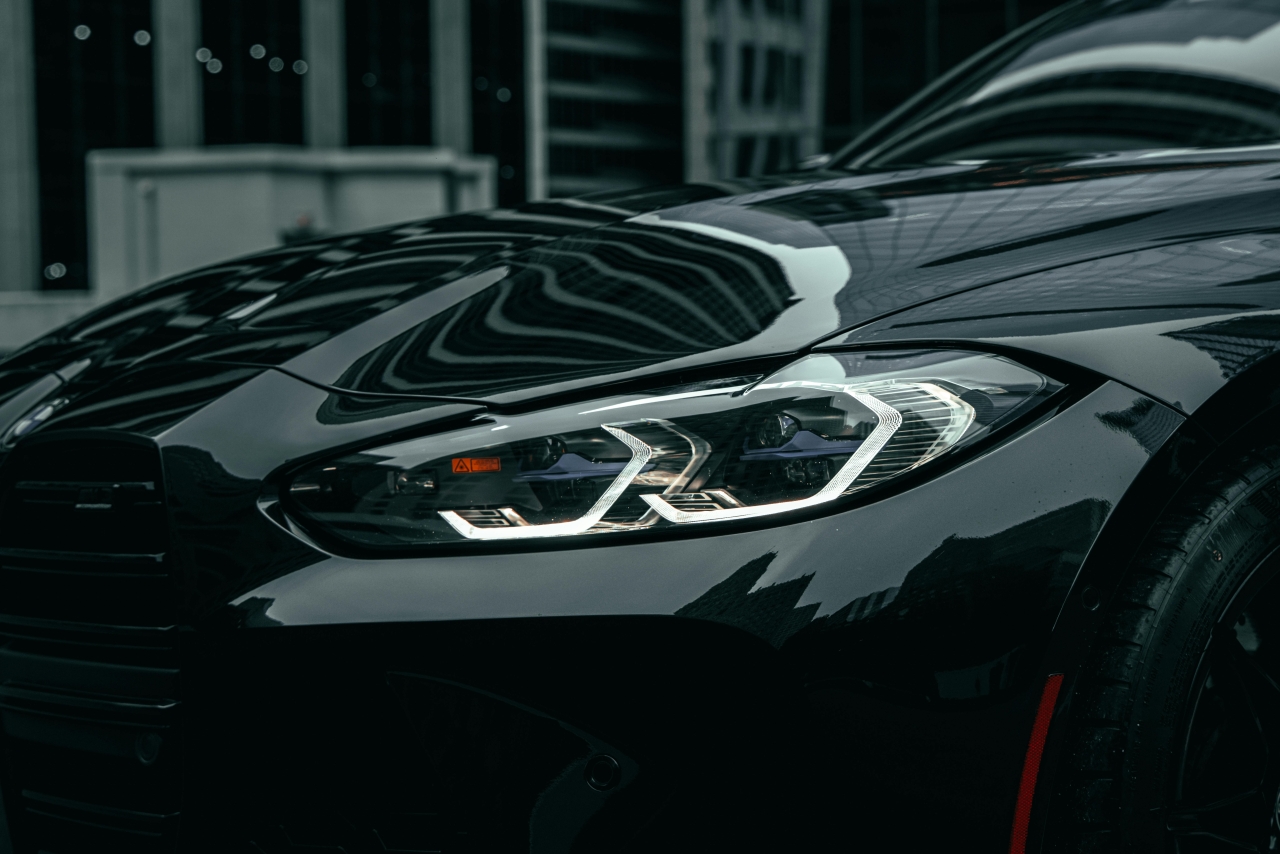
Used Bodywork – What's Involved and Why It Works
Body repair on disassembled parts is based on external elements ( fenders, hoods, doors, trunk lids, bumpers, grilles, mirrors) ) and on selected structural elements that require welding/gluing and repair according to the manufacturer's technology. The biggest benefit is the factory embossing and edges – replacements can "float" on the edges, which is then visible in the gaps in the doors and fenders. Used bodywork usually retains the original sensor mountings and harness holders, so the lighting/parking electronics do not require additional "patents". In painted elements, time is also saved by the fact that the bare OEM element has better adhesion and less "false" filler to remove before the paint shop. In everyday practice, availability also counts – there is a wide selection of colors at auctions and dismantlings, which sometimes allows for no painting (the "plug & paint" option for minor corrections).
How to verify a disassembled body part in 5 steps
A quick sketch is: (1) the edge/bell – is the embossing "straight" and holds the radius; (2) handles and catches – is the plastic brittle and the metal free of microcracks; (3) paint thickness – the gauge will indicate major repairs; (4) threads and sockets – the thread should "catch" without resistance; (5) comparison with the other side – symmetry reveals repairs. If the element has abrasions but holds its geometry, it's an ideal candidate: the body shop saves time, and the painter doesn't have to fight with the "springy" replacement. The same applies to plastic – the original bumper is usually "springy" and returns to shape without micro-cracks. It's also worth taking a set of clips and pins with you right away – the little things decide whether the bumper/trim will fail in half an hour or half a day.
Materials – Steel, Aluminum and Plastic: Differences in Repair and Installation
In the case of the BMW E60 body, the question often arises about the BMW E60 aluminum body versus steel panels – in the E60, aluminum was used in the hood, fenders, and suspension, among other things, which affects the repair technology (gluing, rivets, different wire/template). A used aluminum fender or OEM hood allows you to bypass the process of recreating the embossing, which is more difficult in aluminum than in steel. Plastics (bumpers, grilles, spoilers) require precision with clips – the original holds its dimensions, so the gaps after installation don't "migrate" after a week. OEM plastics are bonded with system resins/adhesives, not universal ones, so the element won't crack at the first frost. This is why using a body from the same platform simply saves time – most "fit" on the car from the first time.
Examples of models and material differences
BMW E60 body : hood and fenders made of aluminum, different front supports depending on the year. Audi A6 C6 body : bumpers and grilles with different camera/parking brackets - the "grill + reinforcements + grilles" set saves adjustments. BMW E60/E90 : plastic mounting points for temperature sensors in the bumper - it is better to take a bumper with a set of clips. Mercedes W203/W204 : differences in the grill "ribs", that is why the Mercedes W203 grill and the Mercedes Benz W204 grill they don't change 1:1. When it comes to plastics, it's worth choosing elements without long cracks - scratches are less dangerous than cracks that spread in the frost.
Doors, locks, strips – where quality is visible a second after installation
The doors must close with a firm click and be flush with the fender and pillar; this is a test the customer unconsciously performs after delivery. Audi A3 8P 5 doors and door lock Audi A3 8P It is worth ordering a complete set with cables and a handle - a compatible "family" eliminates confusing comfort alarms. Ford Fiesta Mk7 doors It's a good idea to buy one with a window trim and guides, as the side skirts from other years can stick out and rattle. The sliding door trim and door decoration are details that immediately reveal whether the element matches the year and body. Audi A3 8L lower door trim with the right set of clips, it lays down without waves and doesn't "come out" of the corner after a week.
Mirrors – small, but they can stop the project
BMW E60 mirror / E90 mirrors and Audi A4 B8 rearview mirrors often come in several versions (memory, heating, photochromic, turn signal), so it's best to buy a complete set with a wiring harness. Ford Fiesta Mk7 right mirrors and Ford Focus Mk3 right mirrors can have different connectors, even in the same year – removing the nameplate and comparing the pins carefully will save you a lot of hassle. Rearview mirror cover gives a quick visual effect, but the base must hold the adjustment and cannot rattle at 90 km/h. In BMW and Audi, mirrors with blind spot sensors have a different bracket; a set from a single donor is the shortest way to a working "dot" in the mirror.
Fenders, hoods, grills – the front of the car, where the "gaps" say it all
BMW E39 fender, Mercedes W210 fender, Peugeot 307 fender, Peugeot 206 left fender, W203 fender, and Mercedes W203 Sport Coupe fender are examples of panels that require a perfect line with the hood and doors. In grilles, it's worth checking the differences in mounting and sensors right away – BMW E90 grill / BMW E90 grill, VW Golf 6 grill, and Mercedes W203 / W204 grill they have different mounting points and seat depths. With aluminum hoods (BMW, Audi), be careful with the threads and "sound washers" – an OEM hood with ready-made hinges sets up faster than a replacement that requires alignment. Before installation, all plastic parts (grilles, fender air intakes, covers) are tried on "dry" – this is the time for corrections, not after painting. The same principle applies to lower sill covers – a good "shadow line" is a sign that the part is correct.
Quick part pairs that reduce repair time
VW Golf 6 grill + complete grille and bracket set = one installation session and no more "dangling". BMW E90 grill + bracket + intakes = no waves in the bumper after a week. E39 / E90 mirror with wiring harness = no yellow SRS plugs in the wrong places. Audi A3 8P door lock+ window guides = no cracks and effective "soft close" on the last centimeter. Sets from a single donor mean fewer phone calls and faster car pickup.
Paint, prep and details – what should be determined before the paint shop?
The disassembled part can be painted ready or "touched up" to the color with a clear touch-up and a shade of the adjacent panel, which reduces the risk of a visible shade boundary. OEM parts usually have fewer "surprises" under the primer – sanding is shorter, and adhesion is predictable. Before painting, it's worth determining which edges remain in the original color (door gaps, underside of the hood) to avoid areas where the paint will peel off. In time-consuming parts (doors, hood), it's better to dry-fit all the plastics and "catch" the gaps; the painter receives a carefully prepared panel, and the customer receives peace of mind upon delivery. You only need to remind them to check the part numbers two or three times throughout the project – common sense and a photo of the "same" installed part on the other side of the car will do the rest.
Examples of "shortcut" kits - ready-made baskets for popular repairs
Basket "front-compact" (A3 8P/Golf 6): bumper + VW Golf 6 grill / Mercedes W203/W204 grill (depending on the brand) + grilles + brackets + lamp with mountings. Basket "door" (A3 8P/Fiesta Mk7): complete doors + lock + guides + window strip + seal. Basket "E60/E90" (BMW): BMW E60 mirror / E90 mirror + grill + hooks + lower covers; used bodywork for this details such as door handles and strips. "Classic fender" basket (E39/W210/Peugeot 206/307): fender + wheel arch + cover + set of clips; a quick way to achieve gap symmetry. "Quick cosmetics" basket (A4 B8/Focus Mk3): right mirror with beam + cover + clips; installation without "carving".
TABLE – body parts: what to look for when buying
| Element | What to check | Why is it important? |
|---|---|---|
| Doors (A3 8P/Fiesta Mk7) | edges, hinges, lock/handle | closing and even gaps after assembly |
| Fender (E39/W210/206/307/W203) | line with hood and doors, mounting points | no "humps", quick assembly |
| Bumper + grill (Golf 6/E90/W203/W204) | hooks, grilles, embedment depth | no waves or "dangling" after a week |
| Mirror (E60/E90/A4 B8) | plug/harness, glass, adjustments | full functionality without the "Christmas tree" of errors |
| Mouldings/decors | a set of cufflinks, a straight line | no waves or corners popping out |
TABLE – sample models and quick assembly instructions
| Model | Hi | Tip |
|---|---|---|
| BMW E60 | aluminum body/fender, mirror | be careful with aluminum threads, take a set of clips |
| Audi A6 C6 | front with grill | order "grill + grates + bracket" in a set |
| Audi A3 8P | 5d door, lock | a set with cables and a seal shortens the work |
| Ford Fiesta Mk7 | right door/mirror | compare the mirror plug and the glass guides |
| VW Golf 6 | bumper + grill | dry fitting, checking lamp holders |
| Mercedes W203/W204 | grill/fender | different "ribs" and hooks - look for a compatible version |
FAQ - Bodywork and Exterior: Driver Questions and Answers Global Parts
| Question | Short answer |
|---|---|
| Will a used body fit without modifications? | Within one model family, most often yes; what counts are the handles and bundles. |
| When to buy a set of doors? | When the lock/guide/wiring differs – the set shortens the installation and eliminates crackling noises. |
| OEM from disassembly or replacement? | The OEM usually "sits" and holds the edges better, and the painter has less work to do. |
| How to approach aluminum elements (e.g. E60)? | Prefer a used OEM; the embossing and threads are factory-like, easier to prepare for paint. |
| Why doesn't the grill from another version fit? | The "ribs", the depth of installation and the sensors differ - a set with grids and a bracket solves the problem. |
| How to minimize post-paint corrections? | Dry fitting, setting the gaps and installing the plastic before painting. |
| What to prepare for the bumper? | New clips/pins, grids, connectors; little things "hold" the element for years. |