When faced with the need to replace a costly component, drivers often face a dilemma: invest in remanufacturing a damaged component or purchasing a proven, aftermarket part . This decision isn't easy, as brand-new components at authorized service centers can exceed the value of an older vehicle, and cheap replacements rarely meet the manufacturer's quality standards. Remanufacturing tempts with the promise of "like-new," but in practice, the quality of this service depends on the workshop and the components used, which can be risky in the case of complex mechanisms. On the other hand, used car parts from a reliable source, such as Global Parts, offer factory-precision assembly and original materials that have stood the test of time. Choosing the right repair method depends largely on the type of damage and the specifics of the specific car model. An informed decision can save thousands of zlotys without sacrificing the safety and durability of the repair.
Mechanics and drive – differential and gearbox as used parts
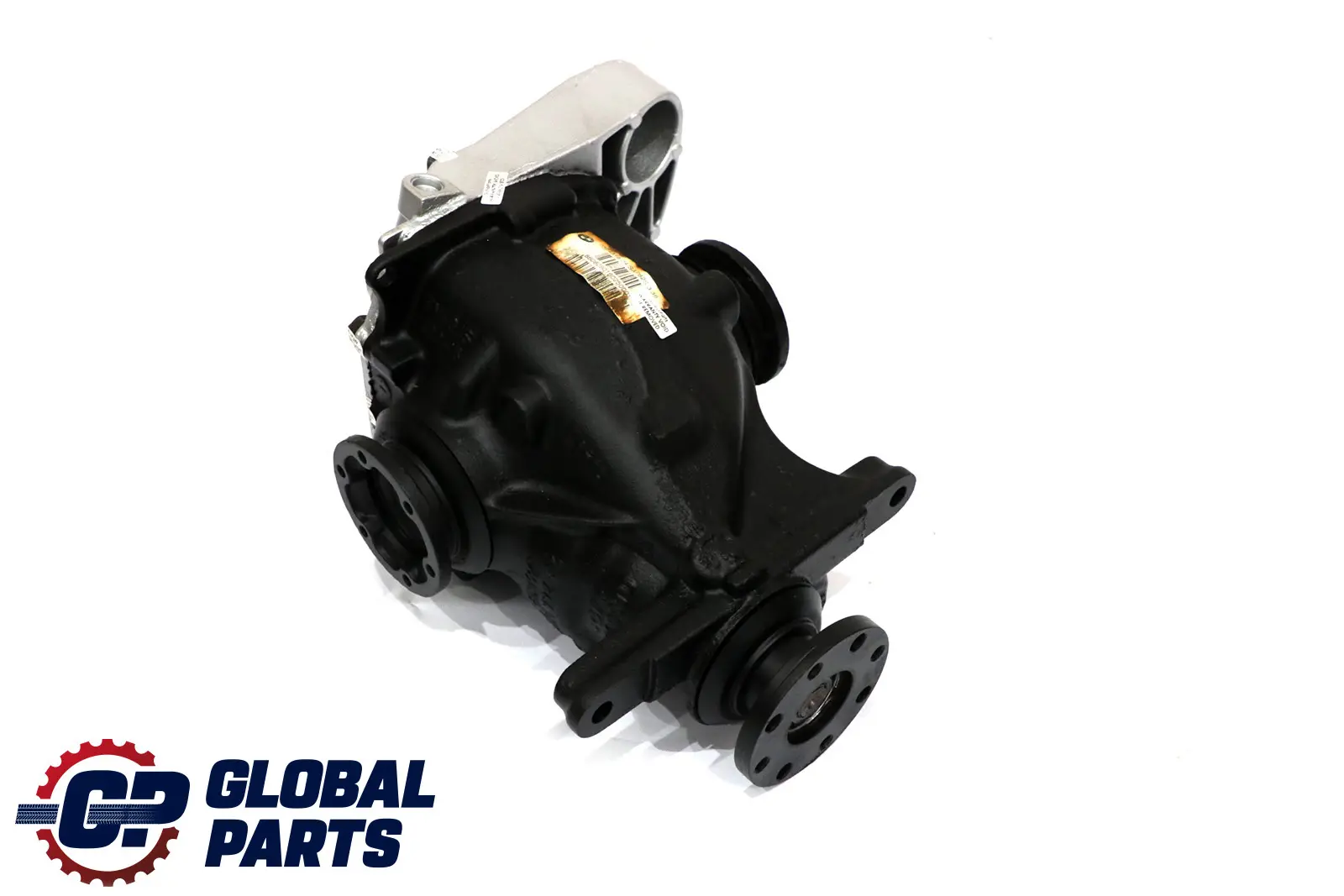
The drivetrain is an assembly of components requiring micron-precision fit, which can be impossible to replicate in a workshop. The factory E46 differential is assembled by robots to maintain a precisely defined backlash, ensuring quiet operation for hundreds of thousands of kilometers. Rebuilding a differential is often limited to replacing bearings and seals, but if the drive and disc gears are worn, manually aligning them is extremely difficult and often results in a characteristic whining sound from the differential. In such cases, complete, used differentials from cars with documented mileage are a safer and more affordable alternative. Installing a component that has never been disassembled outside the factory guarantees the drivetrain's original operating parameters.
Differentials and drive shafts – the risk of improper regeneration
Vibrations transferred to the bodywork are a common symptom of a poorly balanced shaft or an improperly rebuilt axle. Differentials in BMW models such as the 3 and 5 Series are sensitive to oil quality and driving style, but their design is so robust that they rarely fail without an external cause. When deciding on a repair, it's worth remembering that a "rebuilt" differential may have low-quality replacement bearings installed, which will fail after a year of use. Genuine used parts from Global Parts, on the other hand, are OEM components that have undergone visual and mechanical inspection, minimizing the risk of recurrence.
The heart of the car – N47 and B58 engines from dismantling or after renovation?
A complete overhaul of a modern engine is a complex process fraught with significant risk of human and material error. The B58 engine, known for its durability and tuning potential, features a unique cylinder liners coating (LDS) that cannot be replicated in a typical grinding shop. In the event of a seized or cracked block, purchasing a replacement block from a dismantled engine is often the only way to restore the car to full operational condition, in accordance with the Munich engineering practice. The situation is similar with the N63 engine – a complex V8 biturbo engine – where the cost of a complete set of gaskets, bearings, and timing belts required for overhaul often exceeds the price of a complete used engine.

Problematic BMW N46 and N52 units – specifics of replacement
Older petrol engines, though simpler in design, can also pose a trap for mechanics attempting aftermarket rebuilds. The N46 engine, popular in the 1 and 3 Series, often suffers from worn Valvetronic eccentric shafts, which are impossible to recondition, and new ones cost a fortune. Replacing them with a used, proven cylinder head or the entire engine quickly solves the problem of smoke and lack of power. Meanwhile, the magnesium-aluminum block of the BMW N52 engine requires the use of special, disposable aluminum bolts; reusing them or replacing them with steel bolts in a "cheap reconditioning" process leads to stripped threads or electrochemical corrosion.
On-board electronics – BMW E90 modules, fuses and multimedia
Modern cars are running computers, and electronics failures rarely involve the burnout of a simple component that can be soldered back together. Advanced systems, such as the RNS 310 navigation system in the VAG group or engine control units, are built using multi-layer technology, making effective regeneration very difficult. Often, "repair" involves simply heating the motherboard, which is a temporary solution. Used OEM parts, such as the comfort module or air conditioning panel, operate stably after appropriate coding (assigning them to the VIN) because their structure has not been affected by thermal interference.
Gadgets and Audio Systems – CK3100 Parrot and Compatibility
Add-on hands-free kits, like the Parrot CK3100, lose support over time, making repair uneconomical. In the case of factory systems, a failed harness or Bluetooth module often results in battery drain, forcing users to search for the culprit in the BMW E90 fuse box. Instead of reconditioning a flooded module, it's better to use a dry component from disassembly with the same HW and SW numbers. Similarly, when asking questions like " 35 TFSI, what engine is this? " and which ECU should I choose, verifying the part number in the Global Parts catalog ensures that the electronics will "match" with the rest of the components.
Bodywork and equipment elements – sunroof and bumpers
Bodywork and interior fittings are categories where the concept of reconditioning has a completely different meaning and often involves the use of putty or adhesives. A mechanically damaged sunroof (rails, cables) rarely regains its factory seal and smooth operation after a workshop repair, often generating whistling noises at higher speeds. Replacing the entire sunroof cassette with a used original is the only way to effectively eliminate the leaking problem. The same applies to exterior components – a VW Golf 6 grille or an Audi A3 8P rear bumper in body color is a better choice than a glued and painted part after an accident, from which the clear coat will begin to peel over time.
Interior details – Audi A3 8P armrest and steering wheel
Wear and tear of interior contacts drastically reduces the perceived quality of a car, and upholstery services can be more expensive than purchasing parts in good condition. A BMW E46 M-Package steering wheel, when reupholstered by an upholsterer, often has a different thickness and texture than the original, which isn't to everyone's taste. Buying a used steering wheel with low mileage allows you to preserve the original stitching and signature BMW Parts finish. The same applies to the Audi A3 8P armrest – the ratchet mechanism in aftermarket parts breaks quickly, and repairing the broken plastic is ineffective; the original, disassembled part will last for years to come.

Wheels and Suspension – BMW E60 Rims and Sports Packages
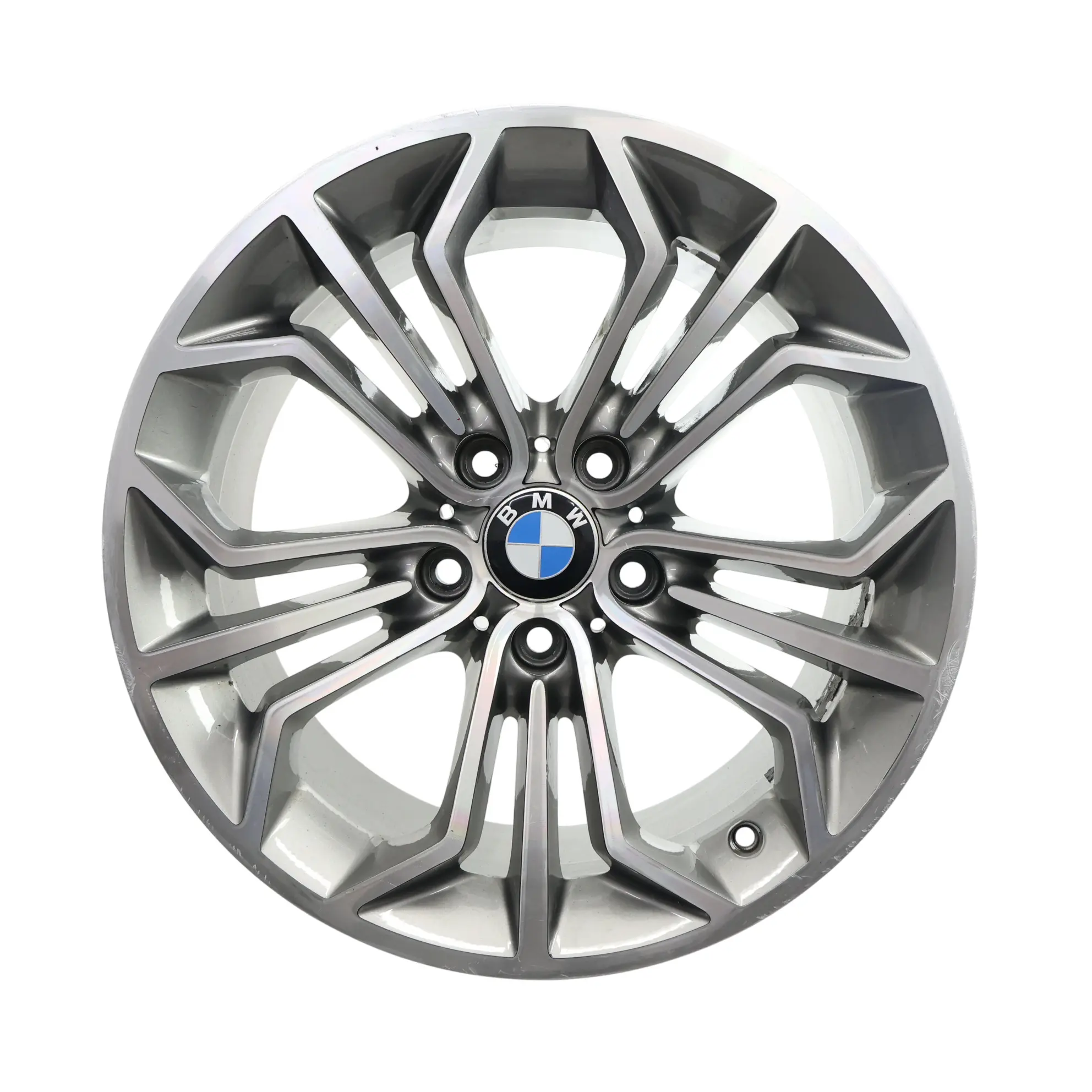
Driving safety depends directly on the strength of suspension and wheel components, so compromises are unacceptable. The process of refinishing aluminum rims often involves turning, welding, and hot straightening, which irreversibly alters the alloy's crystalline structure and weakens the rim. An original BMW E60 rim that has never been repaired is much safer in the event of a pothole than a "like-new" straightened rim. Aesthetics are important, so it's worth choosing used parts for details like center caps and badges to ensure they fit perfectly into the center bore and don't fall off while driving, a problem that plagues cheap replacements.
Sporty BMW and styling packages – E91 M Package and Z4
Sport versions require special attention when selecting parts, as their specifications differ from those of the road versions. BMW Z4 Sport or E91 M Package models feature different suspension settings, thicker anti-roll bars, and specific aerodynamic elements. Reconditioning adaptive dampers or Active Steering racks rarely restores them to 100% factory performance. In such cases, used OEM parts from the "Sport" version, verified for play and leaks, are a more reliable solution for maintaining drivability. It's worth looking for markings like QYQ or CYFF on the parts' stickers to confirm the equipment level.
Comparison of solutions – remanufacturing vs. used original part
Examples of popular used parts and their specifics
| Parts category | Regeneration (Advantages/Disadvantages) | Used Original (Advantages/Disadvantages) | Expert Recommendation |
|---|---|---|---|
| Engine (e.g. B58, N47) | Requires extensive knowledge, risk of errors, high cost of parts. | Factory assembly, lower price, risk of hidden defects (verification required). | Used (for modern units) |
| Differential / Gearbox | Difficulty in adjusting clearances, often noisy operation after repair. | Factory fit preserved, plug & play. | Used (provided it is tight) |
| Electronics (Modules) | Often only a temporary repair (burning in), no durability. | Original PCB, only requires coding. | Used |
| Bodywork (Bumpers) | Need for painting, filling, risk of cracking. | Possibility of purchasing in color, original anti-corrosion coating. | Used (in color) |
| Aluminum rims | Weakening of the material structure during straightening. | Factory durability, possible scratches can be polished. | Used (not repaired) |
FAQ – Questions about choosing parts for repair
| Part / Model | Designation / Code | What to pay attention to when buying? |
|---|---|---|
| VW navigation | RNS 310 / 315 | Touch screen status, presence of SD card with maps, PIN code. |
| Steering wheel | BMW E46 M-Package | The condition of the seams, whether the spline is not damaged, the condition of the airbag strap. |
| Complete engine | N63 Engine (BMW V8) | The donor's mileage, the condition of the injectors (index), whether it was subject to a service campaign. |
| Front grill | VW Golf 6 Grill | Are all mounting tabs intact, and is the chrome in good condition? |
| Hands-free kit | CK3100 Parrot | The condition of the display (whether it is leaking), the condition of the buttons and wiring. |
| Question | Answer |
|---|---|
| What are OEM parts? | OEM (Original Equipment Manufacturer) parts are manufactured by the vehicle manufacturer or its direct supplier for initial assembly. They are identical to those with which the vehicle left the factory, guaranteeing a perfect fit. |
| Will the differential used be off? | If the differential comes from a reputable source, has low mileage, and hasn't been opened, it should operate quietly. A whining sound is usually a symptom of worn gears or improper reconditioning (incorrect clearance setting). |
| What is the 35 TFSI engine? | The 35 TFSI designation in Audi nomenclature refers to a petrol engine with a specific power output (usually 1.5 or 2.0 liters with around 150 hp), not to a 3.5-liter displacement. When selecting parts for such an engine, the engine code (e.g., DADA) is crucial. |
| Do I need to buy original fuses in the BMW E90? | The fuses are standard, but the entire fuse boxes (JBE modules) are model-specific. Replacing a burnt fuse box with a used original is safer than attempting to solder high-current traces. |
| Where can I find the paint code for body parts? | The paint code is usually found on a sticker in the trunk (under the carpet), on the B-pillar, or in the service booklet. When buying an Audi A3 8P rear bumper, for example, it's worth looking for parts with the same code to avoid repainting. |
| Is a remanufactured turbocharger better than a used one? | It depends. A professionally rebuilt turbocharger with the original center (CHRA) is very good. However, many cheap rebuilts rely on Chinese replacements. In this case, a used turbocharger without any play may be more durable. |